Moab, Utah
Schatz begins the edition, by working his way out from the Horsethief Ranch to Mineral Canyon and into the National Parks that surround it on all sides. Horsethief Ranch is thirty miles west of Moab and is surrounded by public lands. Canyonlands National Park, Arches National Park, Deadhorse Point State Park and the Green River encircle the ranch. Nearby the infamous Robbers’ Roost, used by Butch Cassidy and the Wild Bunch gang, connect to the ranch via winding canyons and steep terrain. There is no cell service and the desert can quickly turn impassable with rain, cutting the ranch off from the outside world.


With access to water, the Horsethief Ranch was able to flourish in the arid landscape. An oasis able to support fruit, vegetables and livestock.

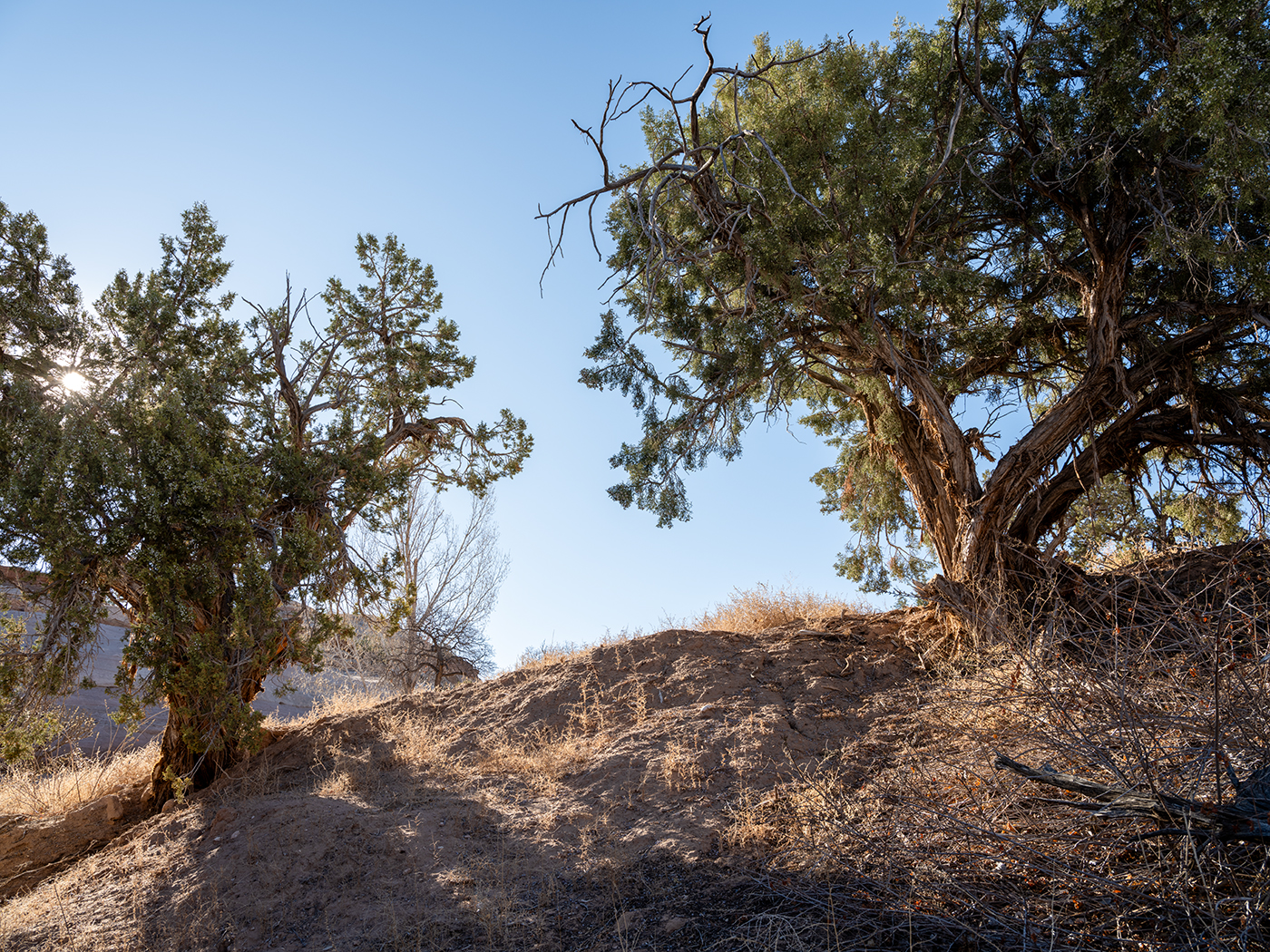
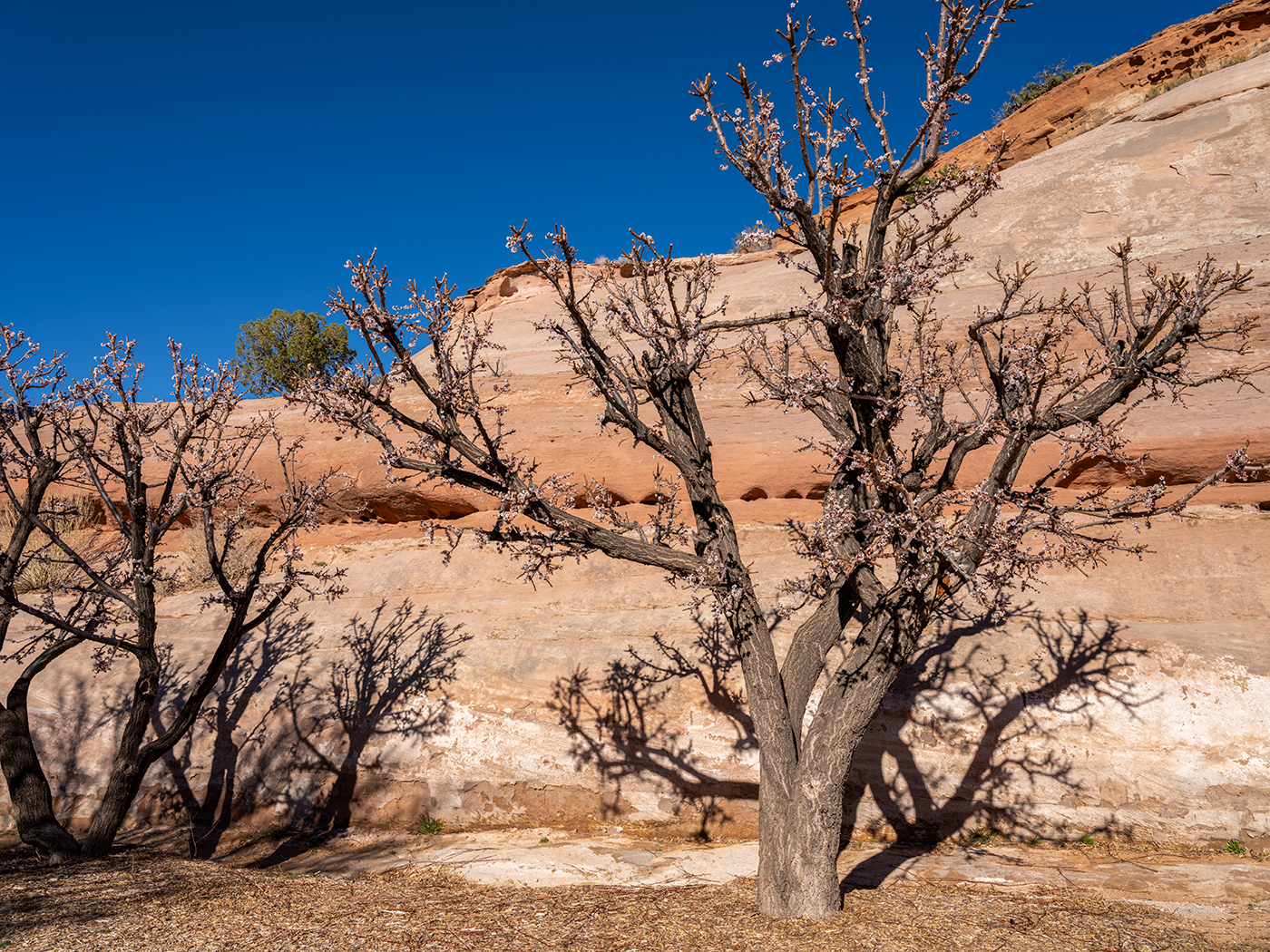
Fruit trees, heavily pollarded over many decades produce new growth on young shoots in photographs from the Moab, Utah edition.


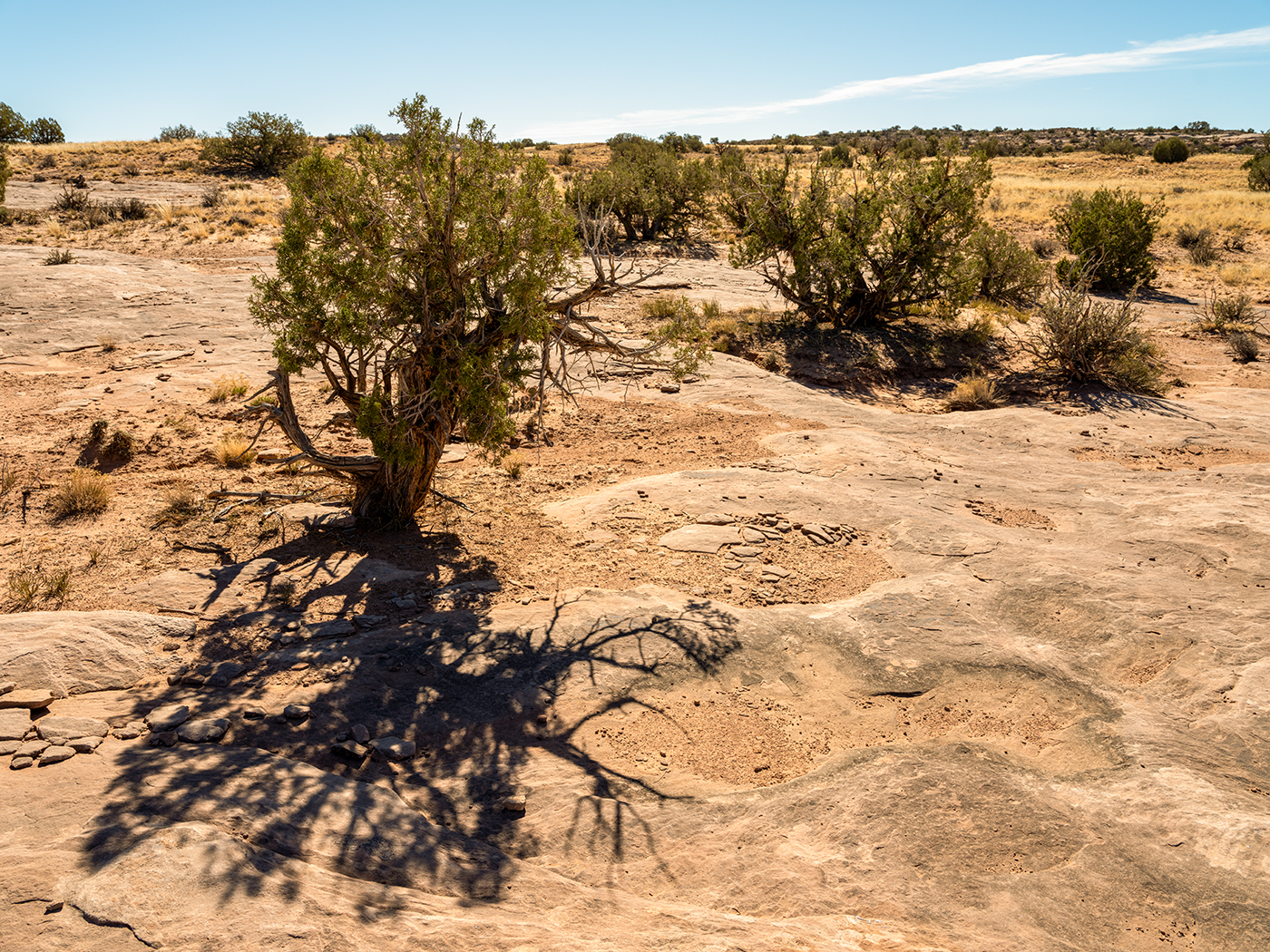
Surrounding the ranch is a desert ecosystem. It is filled with silvery sagebrush and a broad range of cacti and wildflowers that flush early in spring before disappearing with summer heat and dry conditions.


In total, five to six hundred different types of plants grow natively here with the land closest to the Colorado and Green river sustaining a range of native trees and shrubs that include the cottonwood and stands of willow.


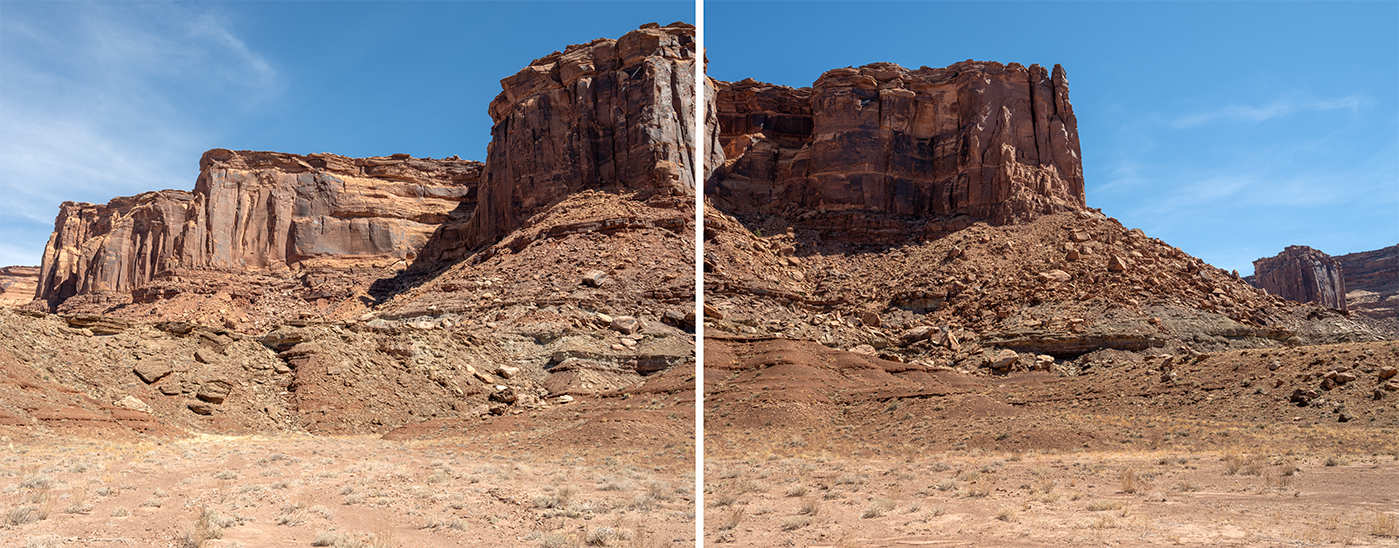
The deep and endless canyons of Canyonlands National Park can be seen throughout the edition. The scale can feel unknowable, it can be hard to fathom the sheer height of cliffs and the plunging canyons beneath them.


Yet remarkably, indigenous people have survived here since at least A.D. 1300. Beginning with Ute who found ways to live and create their communities for centuries before the appearance of Western Europeans.


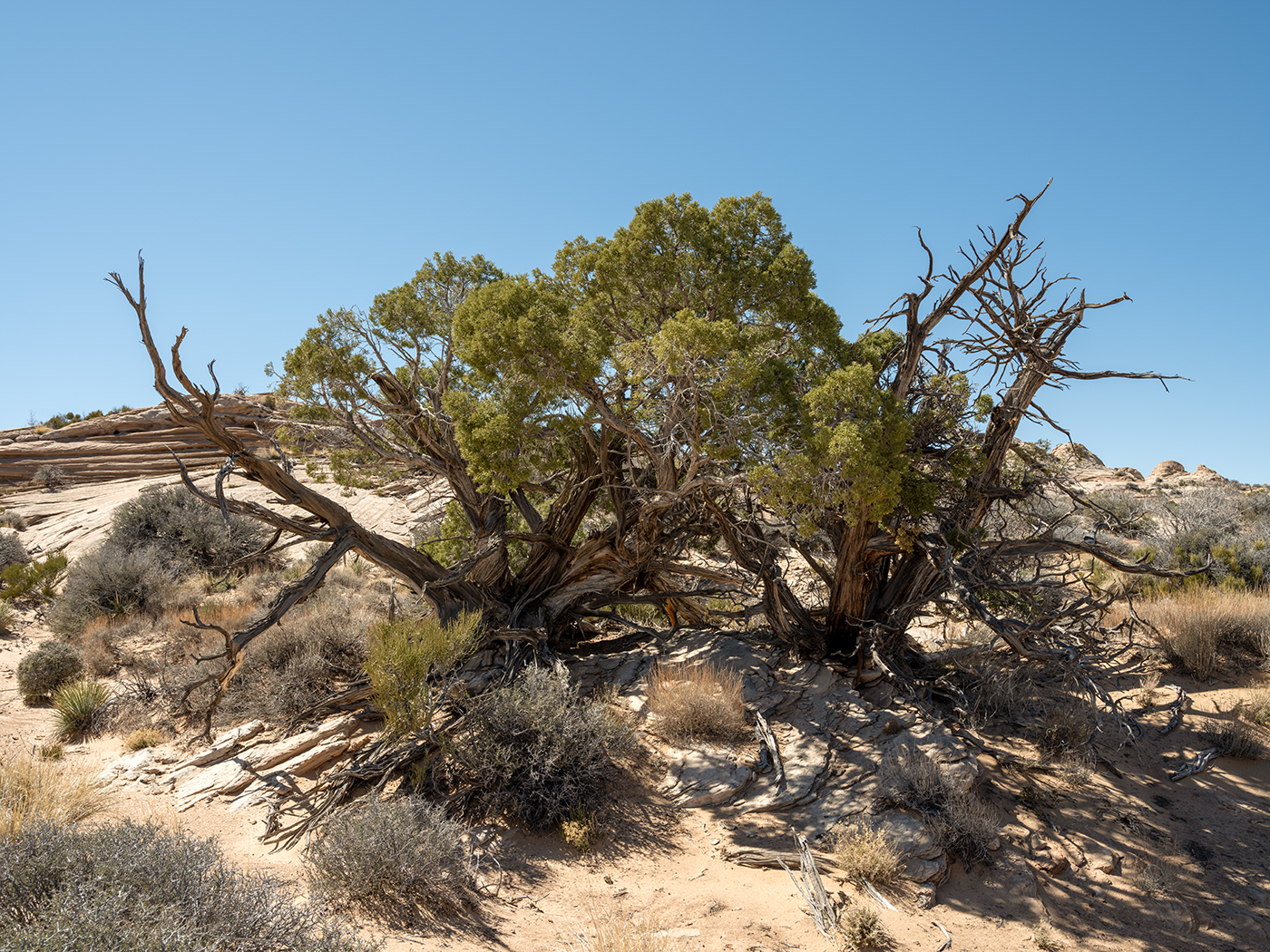
The soft sandstone and shale that form this landscape erode over time with wind and rain. Both sandstone and shale are sedimentary rocks, and the passage of time can be traced in the bands that layer together to form the sheer cliff faces. Boulders and rocks sit in large piles at the feet of the cliffs they have fallen from. Scrub and trees grow around them, creating pockets of life that dot the landscape at intermittent intervals.
Moab, like many places in the western United States rich with minerals, experienced a sudden influx of miners. However, Moab’s boomtown days were long past many of the gold and silver rushes that first come to mind. Here the rush would occur nearly a hundred years after the first wave of get rich quick miners began traveling west for the Gold Rush.


In Moab it was uranium that brought thousands to what was a small town of only 800 in the 1930’s. With the discovery of uranium by the geologist Charles Steel at the Mi Vida mine, at the start of the Cold War, there was suddenly money to be made in this barren place.
The consequences of uranium mining can be seen throughout the photographs found in the Moab, Utah edition by Schatz. From the barred mine openings, to the piles of tailings, a byproduct waste material left beside mines in large quantities, the landscape shows the traces of this industry throughout it. Today the radioactive materials still leach into the soil and enter the water of the Colorado and Green rivers and their tributaries.


This rush, like many in American history, faded as quickly as it began and by the late 1950’s the US government was able to source radioactive materials more easily, leading to the collapse of the once high priced market. Uranium continues to be mined today on the Colorado Plateau and in recent years market prices and demand have been on the rise again. Although, today most uranium mining is done by chemical leaching, rather than the open pit or underground mines that were created during Moab’s initial Uranium Rush.
Today Moab has become a popular destination for outdoor recreation, the tires of bikes carving their own lines through the desert and rock climbers trace their way up cliff faces.
Like so many of the landscape editions that Schatz has photographed, the intersection of mining and other extractive industries with humans, landscape, nature, National Parks and the continued threats they face, come together to tell a story of a fragile and contested place over time. Here humans and their relationship to the natural world is explored in depth in the Moab, Utah edition.


To learn more about framing, edition size and pricing for Lincoln Schatz’s Moab, Utah edition, please click here. If you have any questions or would like to purchase a work from this edition, please get in touch.