Canada: British Columbia
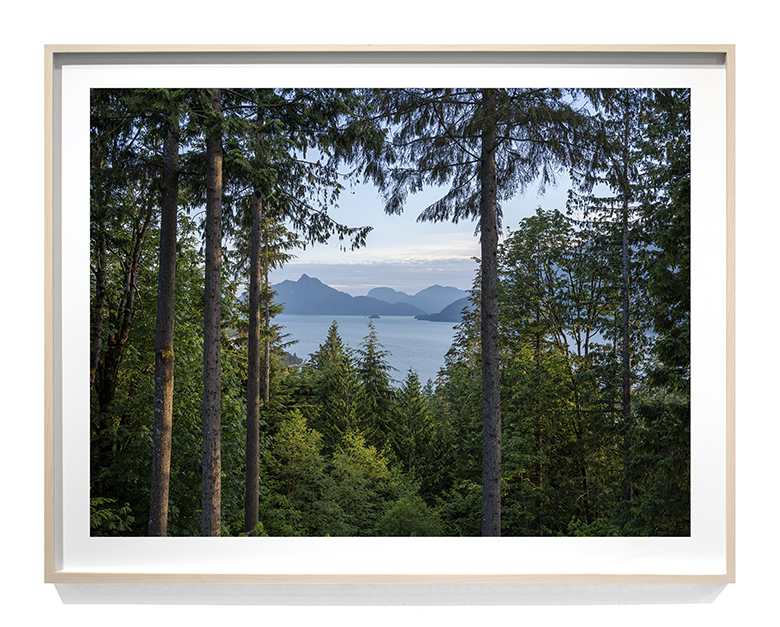
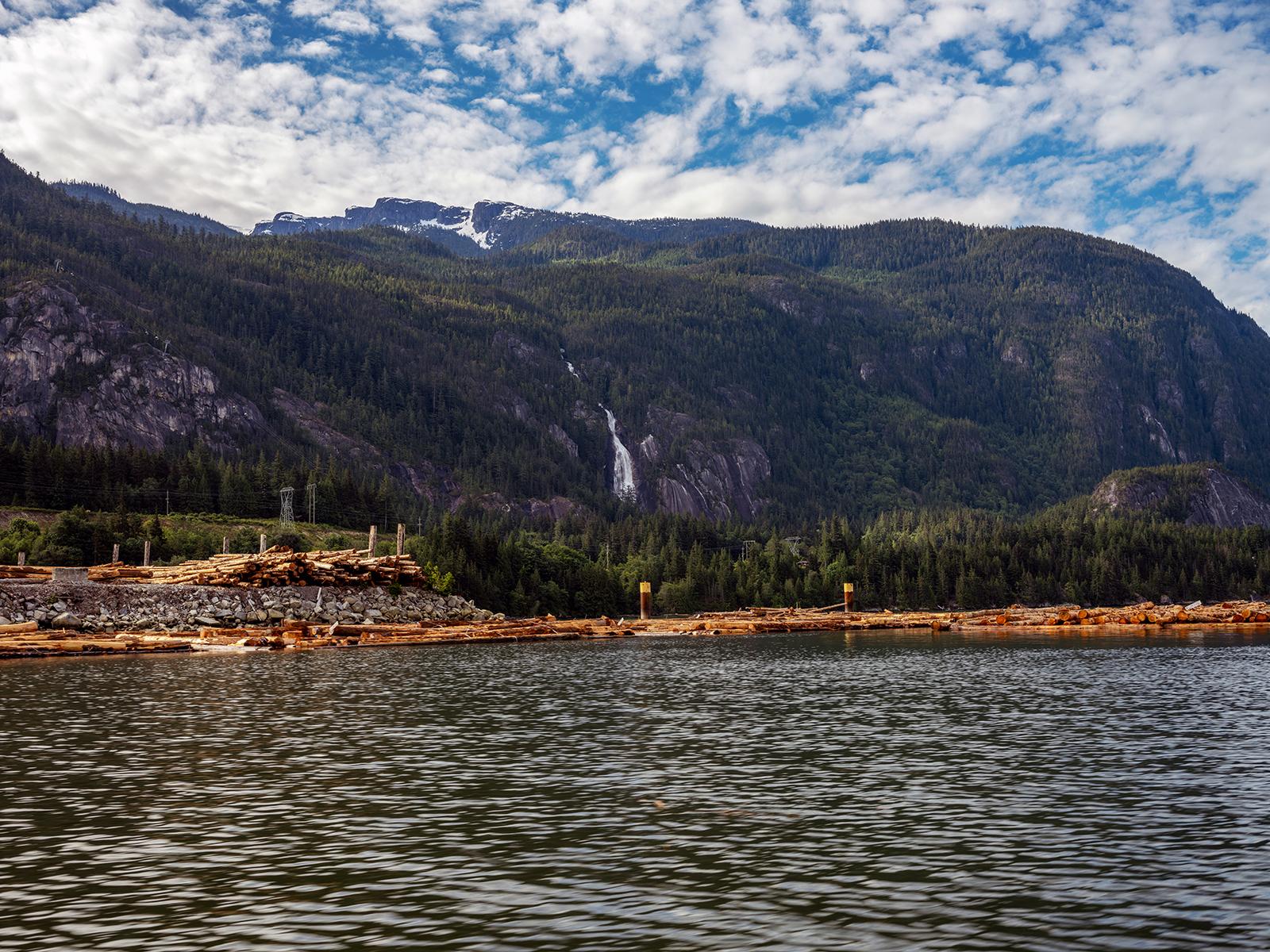
Canada: British Columbia is an edition of photographs from artist Lincoln Schatz that feature the mountains, forests, rivers and ocean harbors from Squamish to Pemberton, Canada. It is a landscape that possesses the unique conditions necessary to create everything from low elevation temperate rainforests to snow covered mountain peaks.
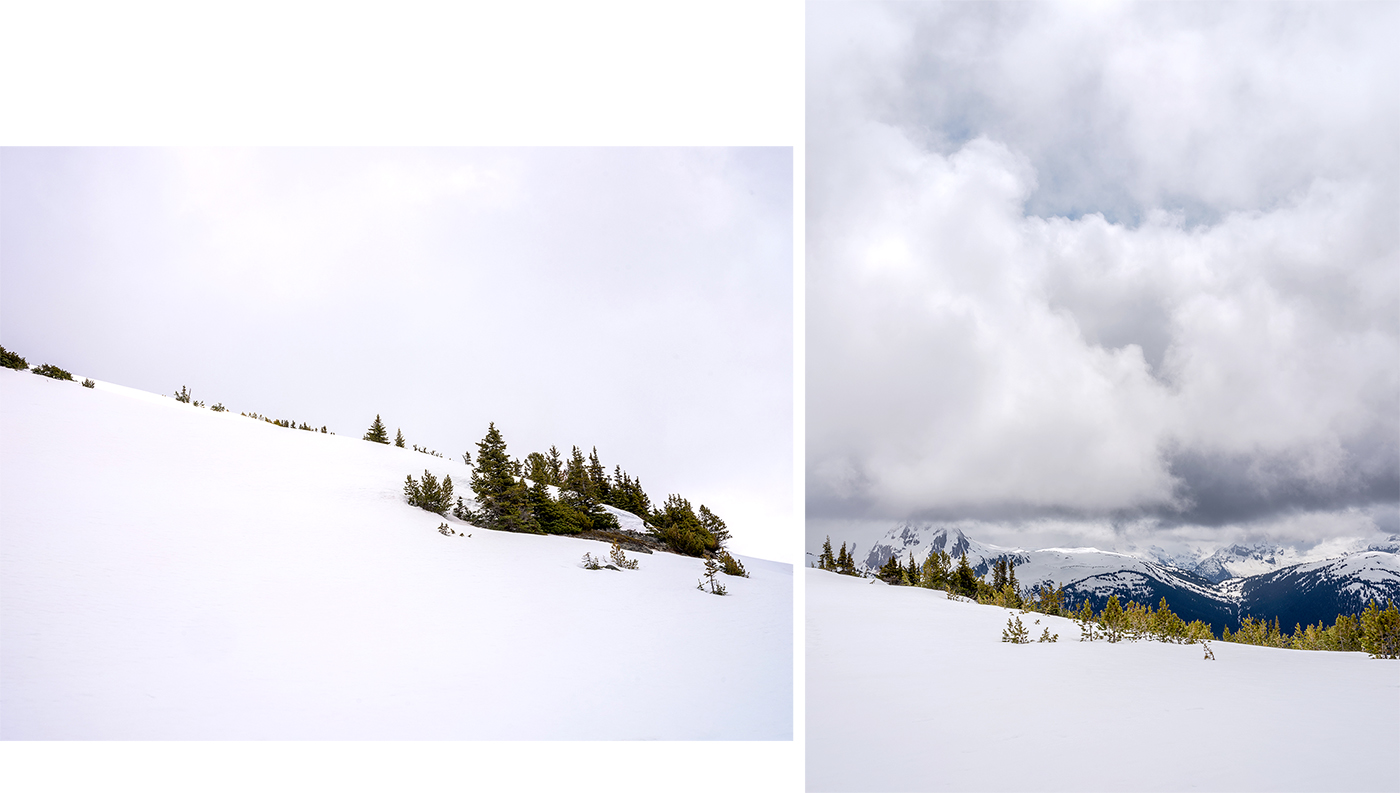
“Squamish Harbor and the surrounding landscapes are truly remarkable. The ways that seemingly disparate eco-systems work together enables a world of plants and animals to thrive and highlights how unique this place is. Over the course of a day you can find yourself in late season blizzards in the morning and lush moss covered forest floors in the afternoon.”
Lincoln Schatz
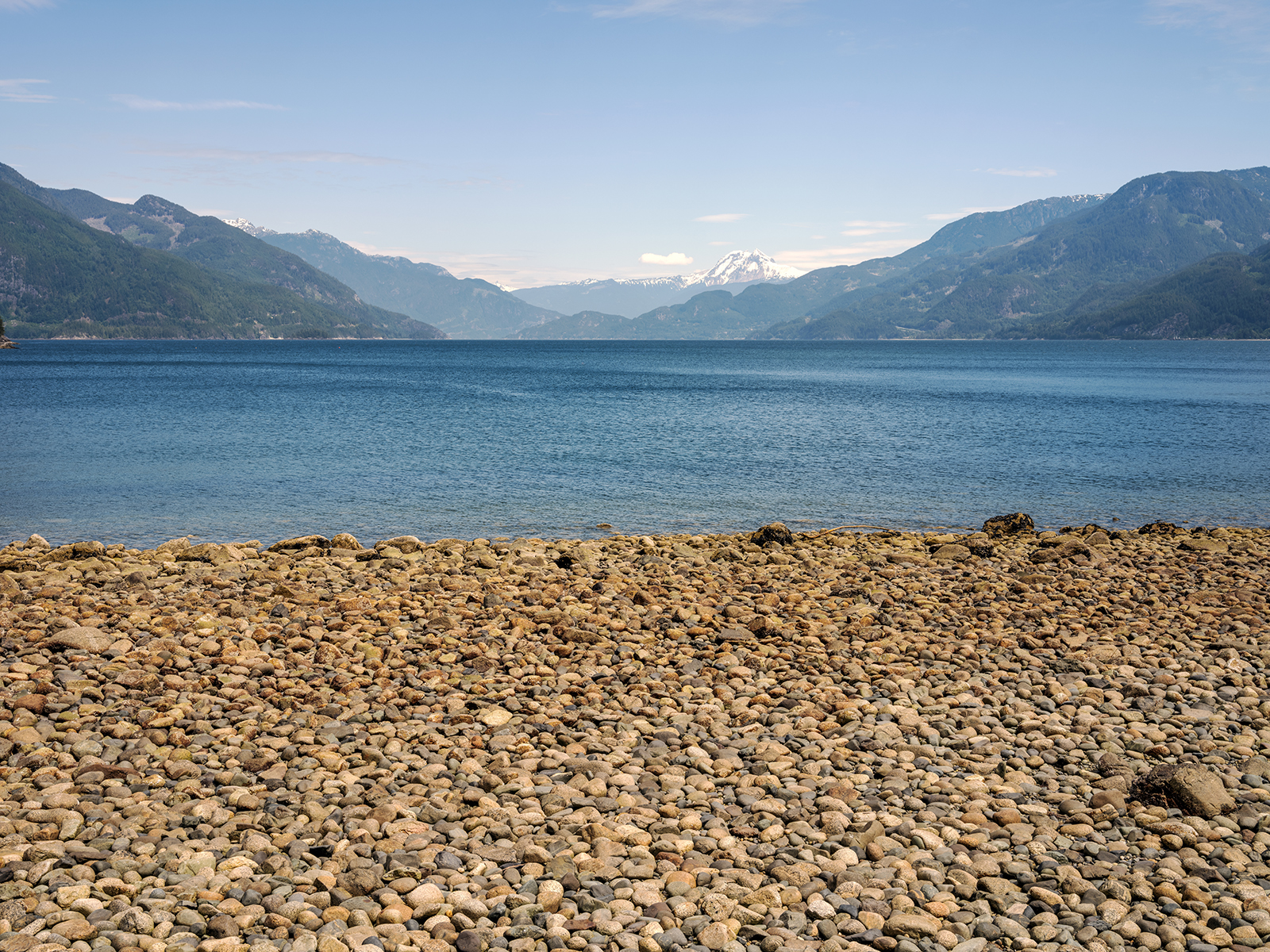
Salmon and steelhead swim the rivers documented by Schatz, filling the freshwater each season as they travel inland while bear, predatory birds and other wildlife hunt alongside their migration.
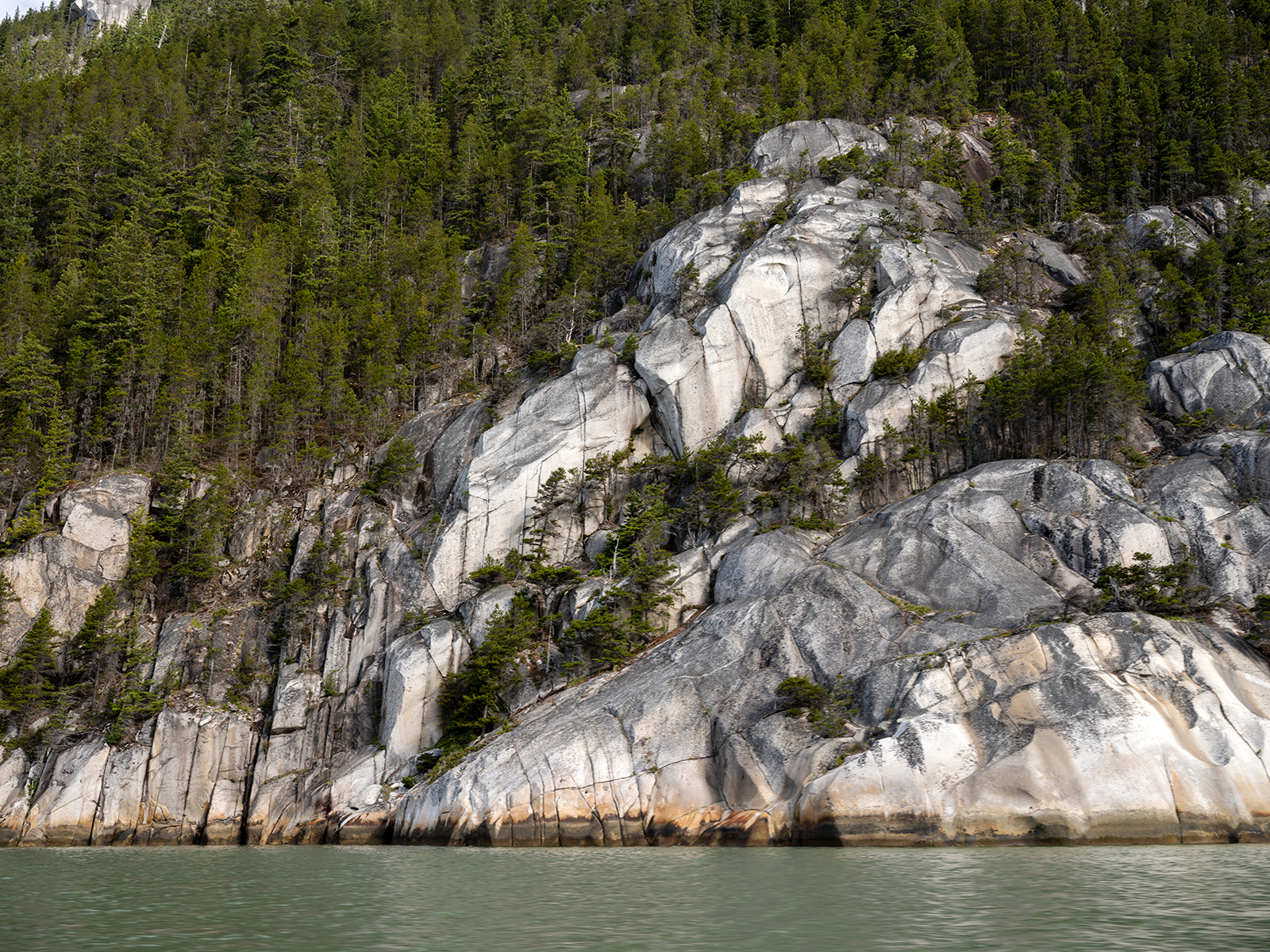
This is a place rich with beauty and life that persists today. New growth and old growth forests cover mountains, connecting the fjords of Squamish Harbor to the glaciers that sit at high elevations. Each element influencing the next. The interconnected nature of this place is evident wherever you turn.
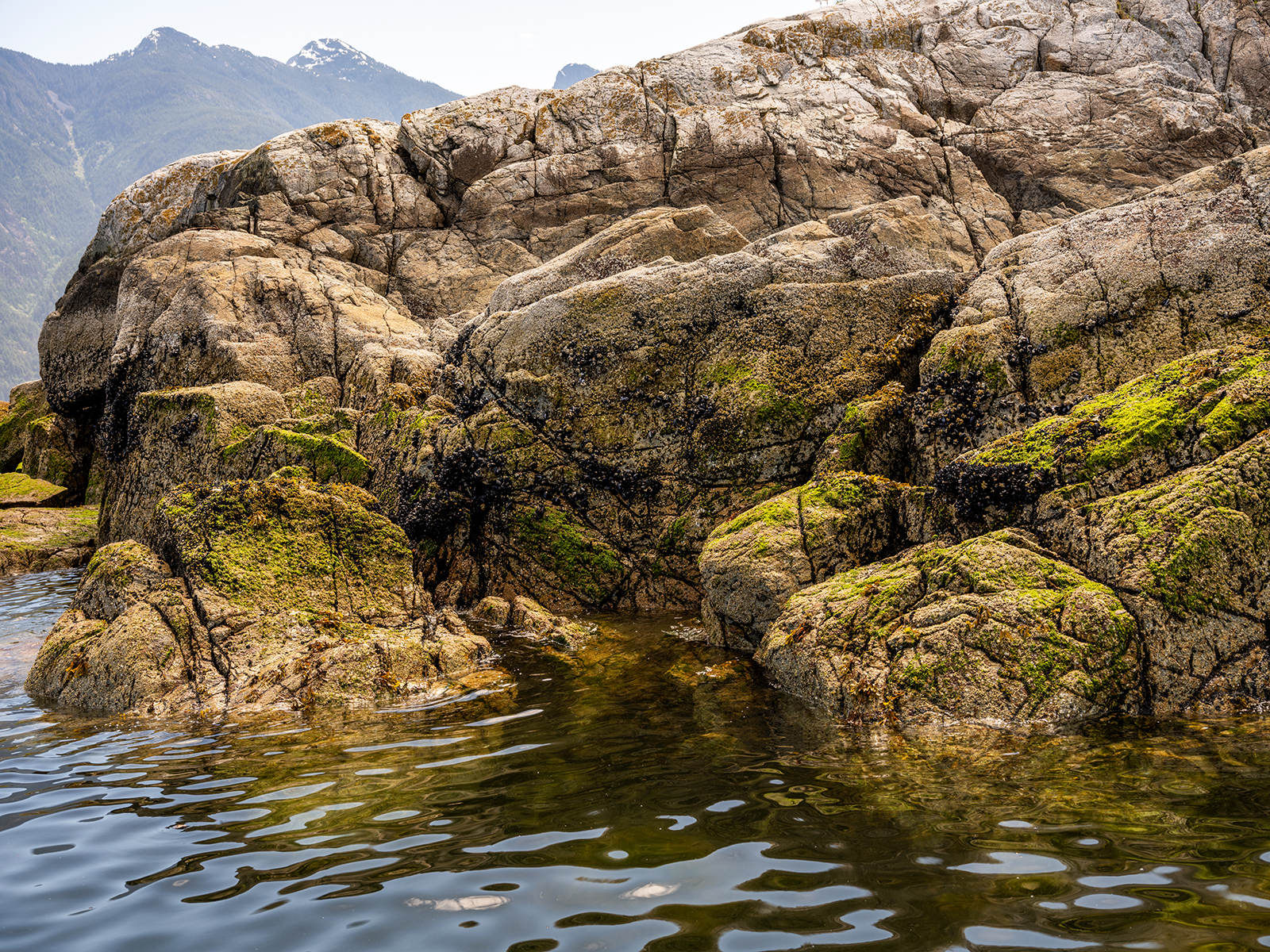
The rivers found in the Canada: British Columbia edition wind their way down steep mountains, before arriving at Squamish Harbor. This harbor is the sixth largest in British Columbia and connects the land to the Pacific Ocean. The fjords that ring the harbor form jagged intrusions that erupt from the earth.
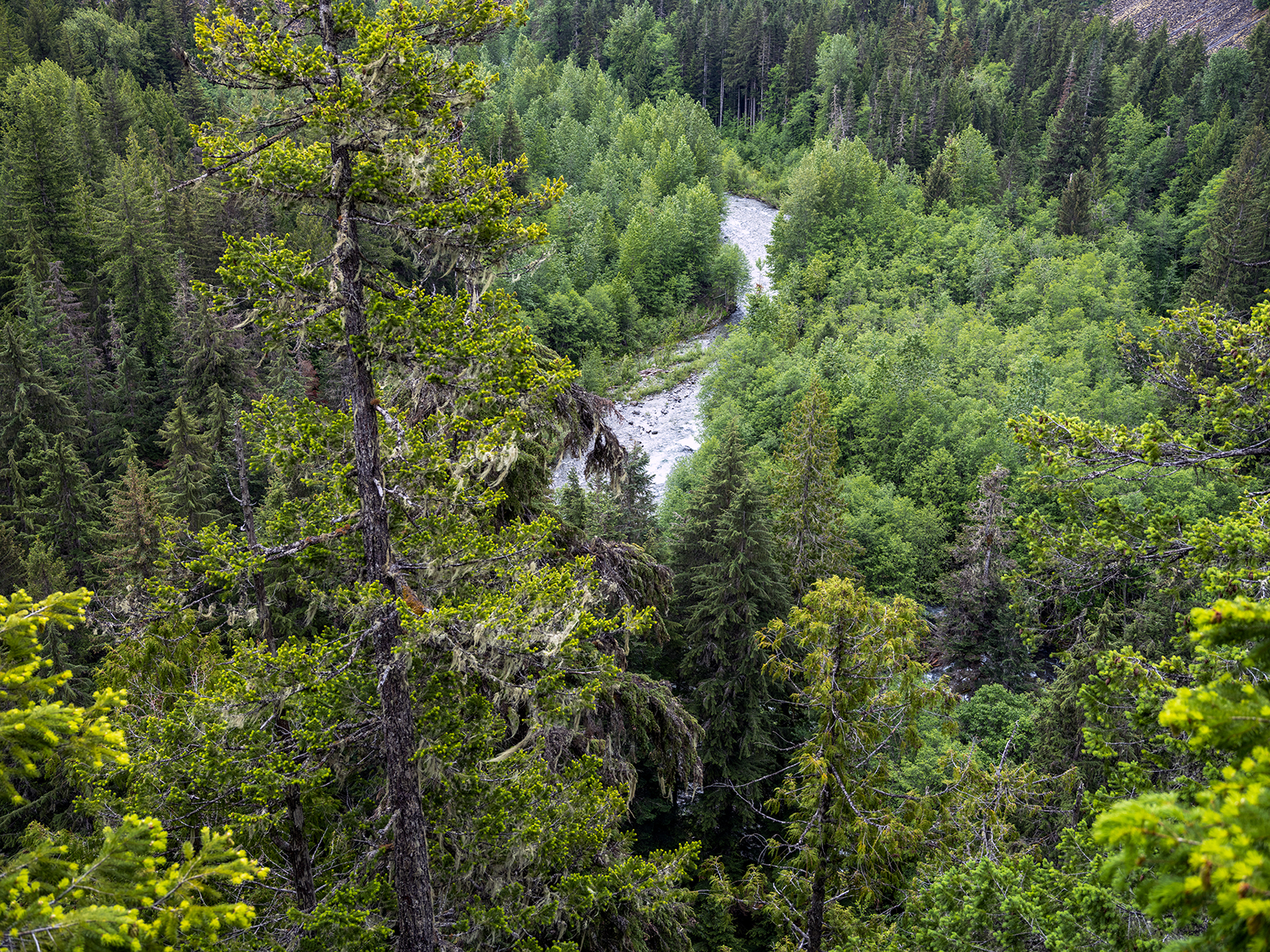
Granite, shale and sandstone are all present here and the remains of volcanoes can be seen in the distance. Over hundreds of millions of years this landscape has been shaped by the changes that come with each passing season.
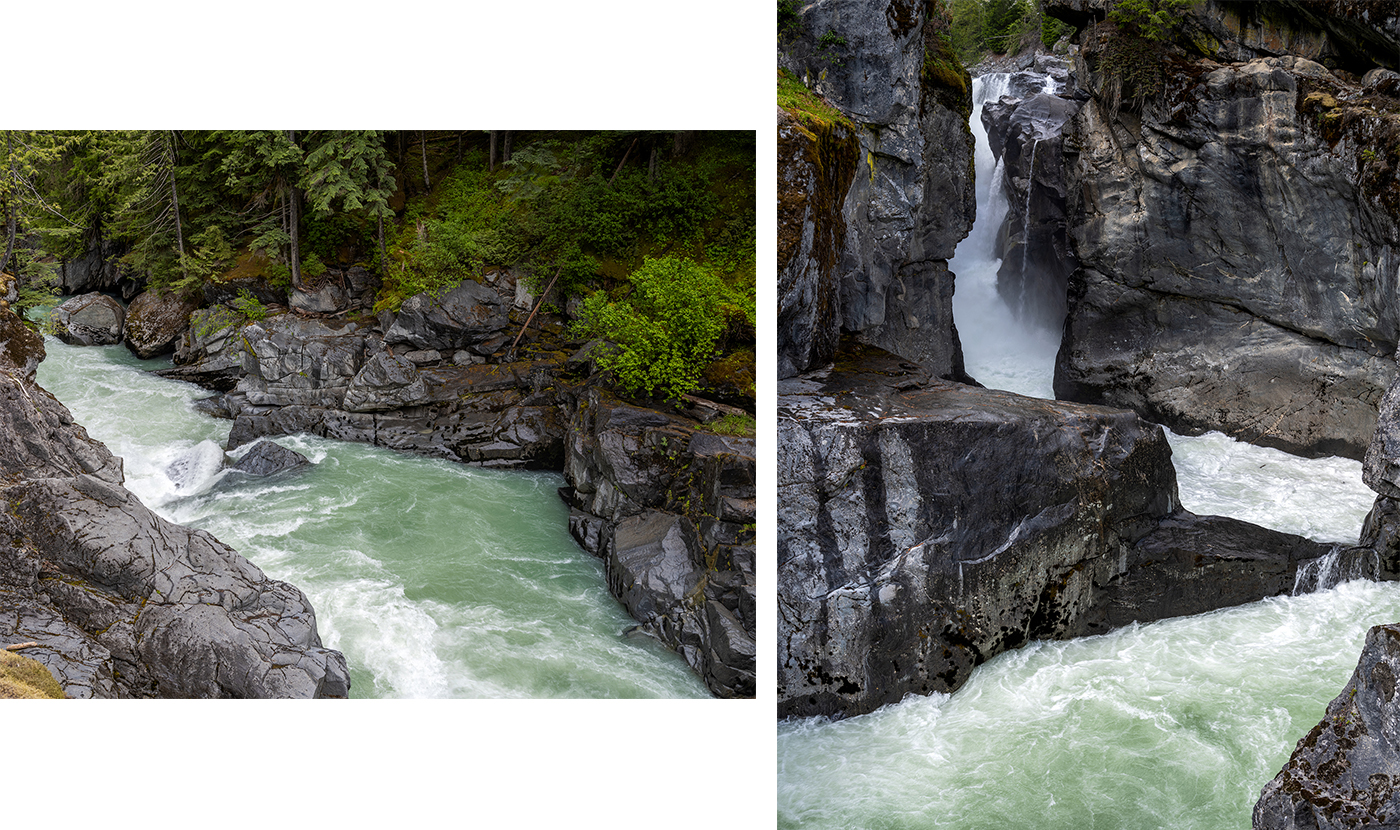
The Cheakamus, a tributary of the Squamish River sits to the southwest of Whistler, British Columbia and cuts through the Whistler Interpretive Forest while winding down the Coastal Mountains. Cheakamus is an anglicization of the Squamish name Chiyakmesh or “people of the fish weir”. This river and others nearby have been a vital resource for the Squamish since their arrival.
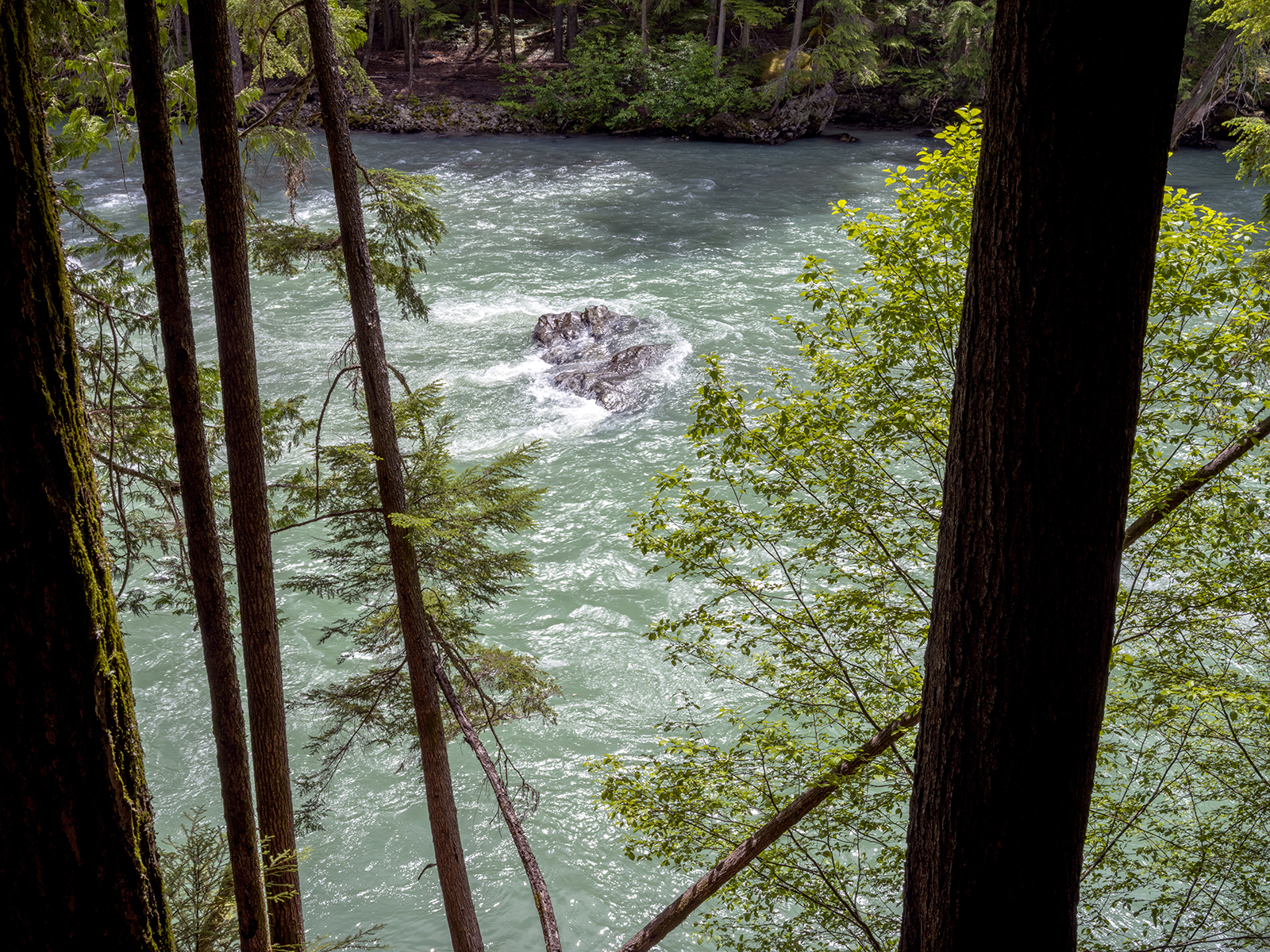
In more recent history the Squamish Nation, originally a collection of sixteen separate but inter-linked villages, was founded in 1923. The Squamish people have been present in this region for at least three thousand years based on archaeological sites. These sites include villages, hunting camps, religious sites and cemeteries that can still be visited today.
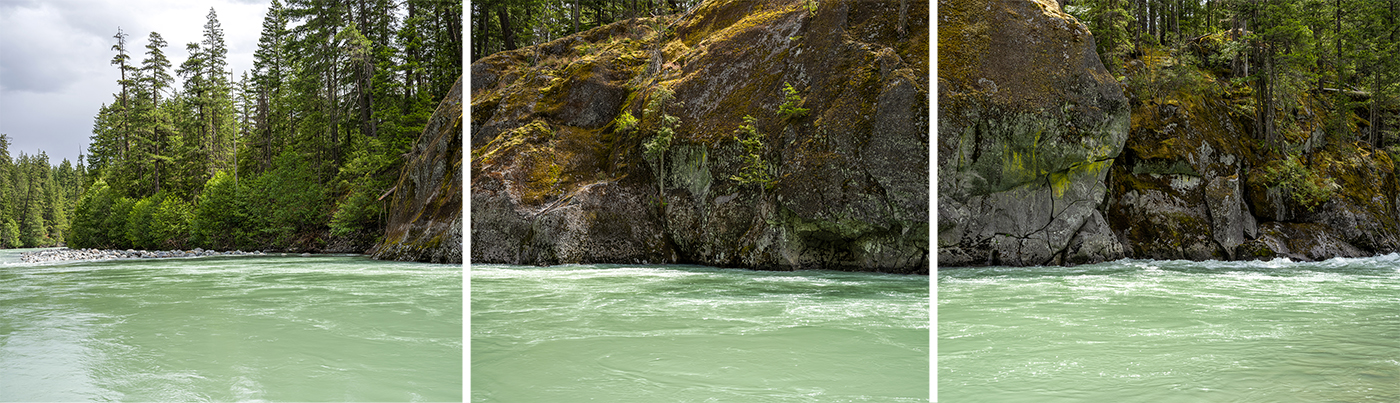
The Green River, a tributary of the Lillooet, is located near Pemberton, British Columbia and features astonishing turquoise blue waters that result from the glaciers that melt into the river system each spring. These waters bring with them fine minerals and rock fragments, known as “rock flour” that absorb blue light in the color spectrum, creating arresting green waters. In these photographs by Schatz, the water becomes a dazzling contrast to the black and gray granite cliffs that edge the river valley today.
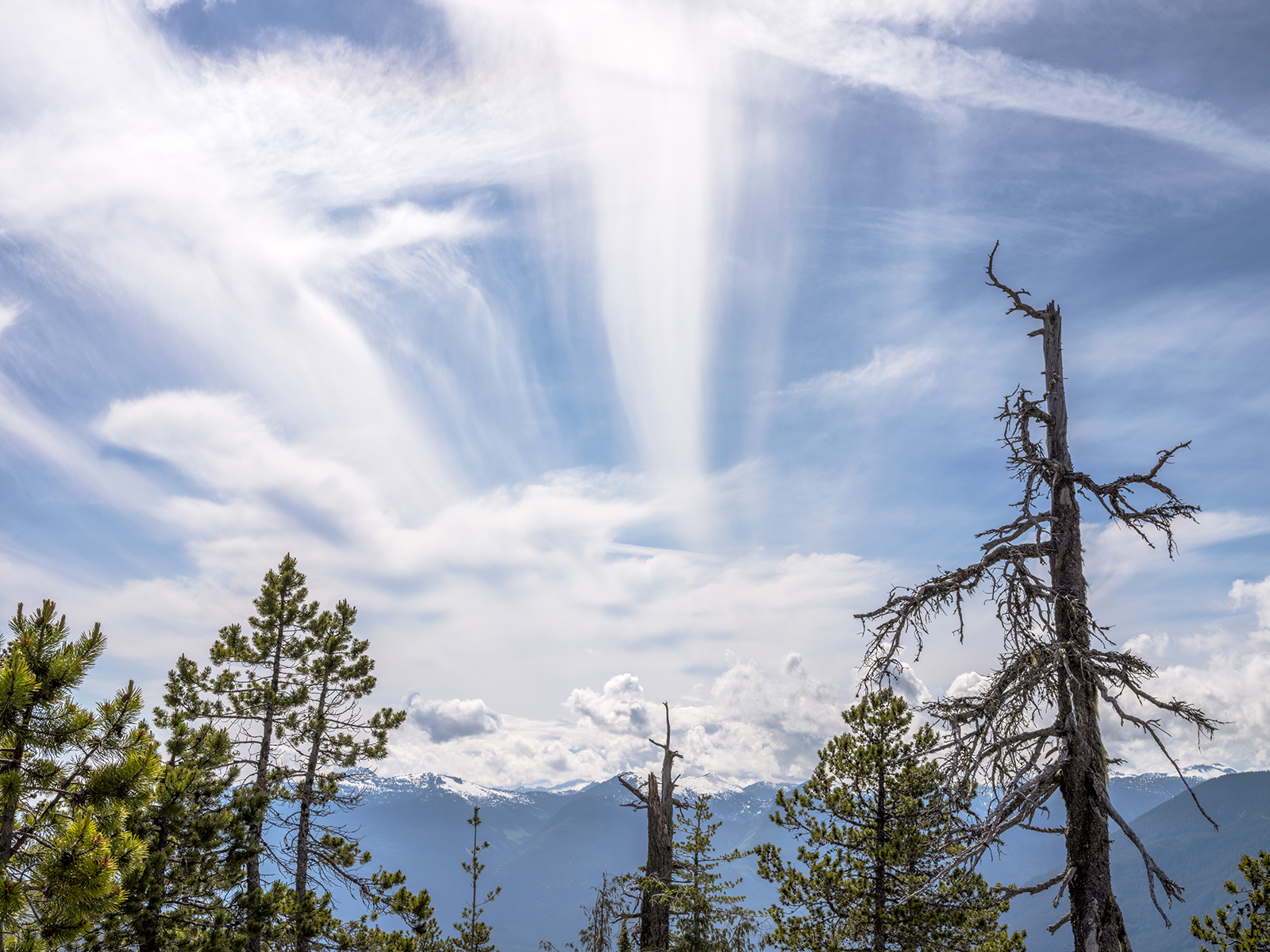
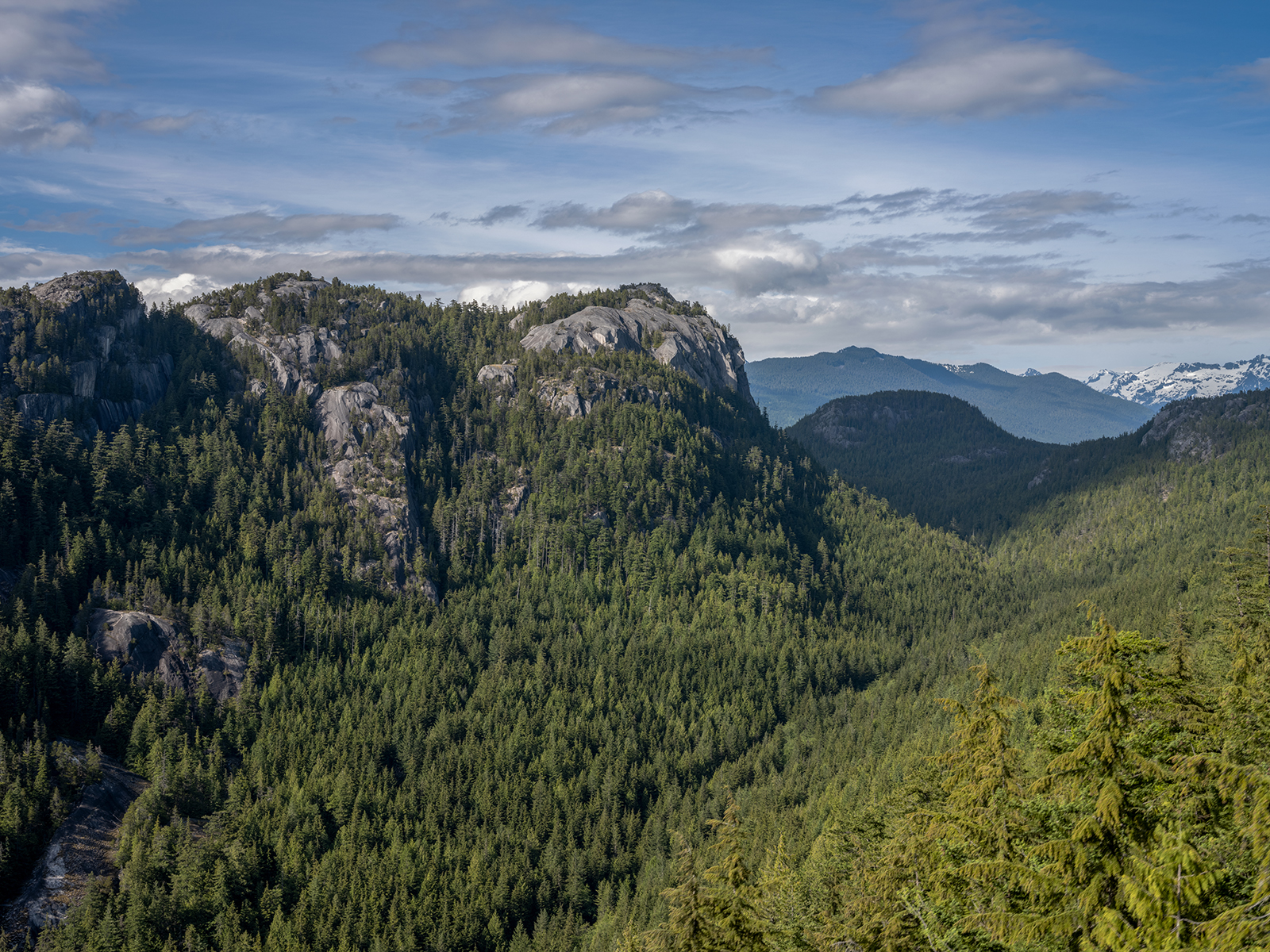
In the Canada: British Columbia edition the lush forests are filled with life. Verdant moss, ferns and undergrowth create beautiful dense miniature landscapes under the cover of massive trees growing overhead. The forest is vital to the health of not only the plants that fill it, but also the rivers that pass through them, each relying on the other.
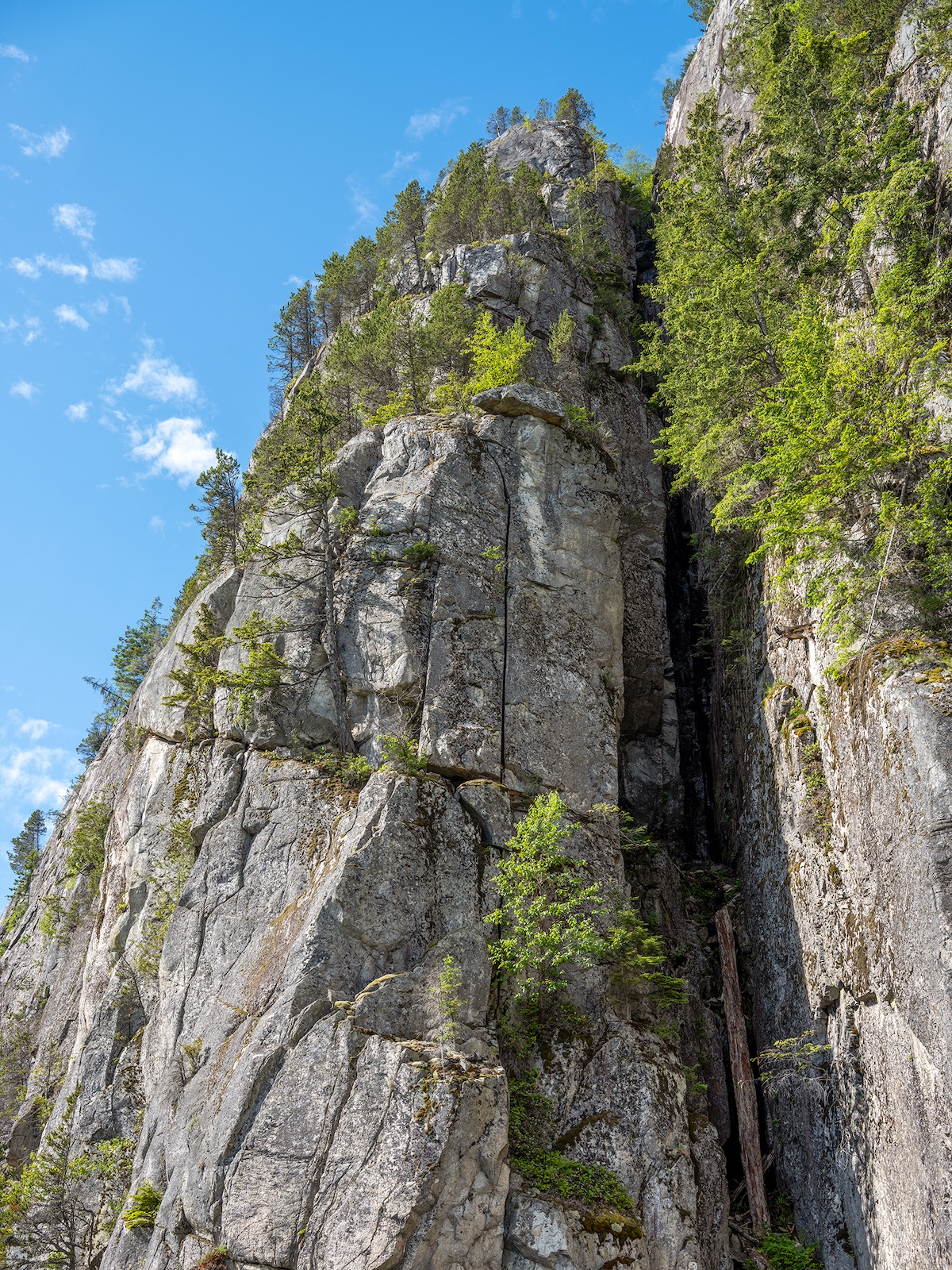
This region has the heaviest rains in Canada, creating conditions for temperate rainforests filled with western hemlock, western red cedar and massive Douglas-fir.
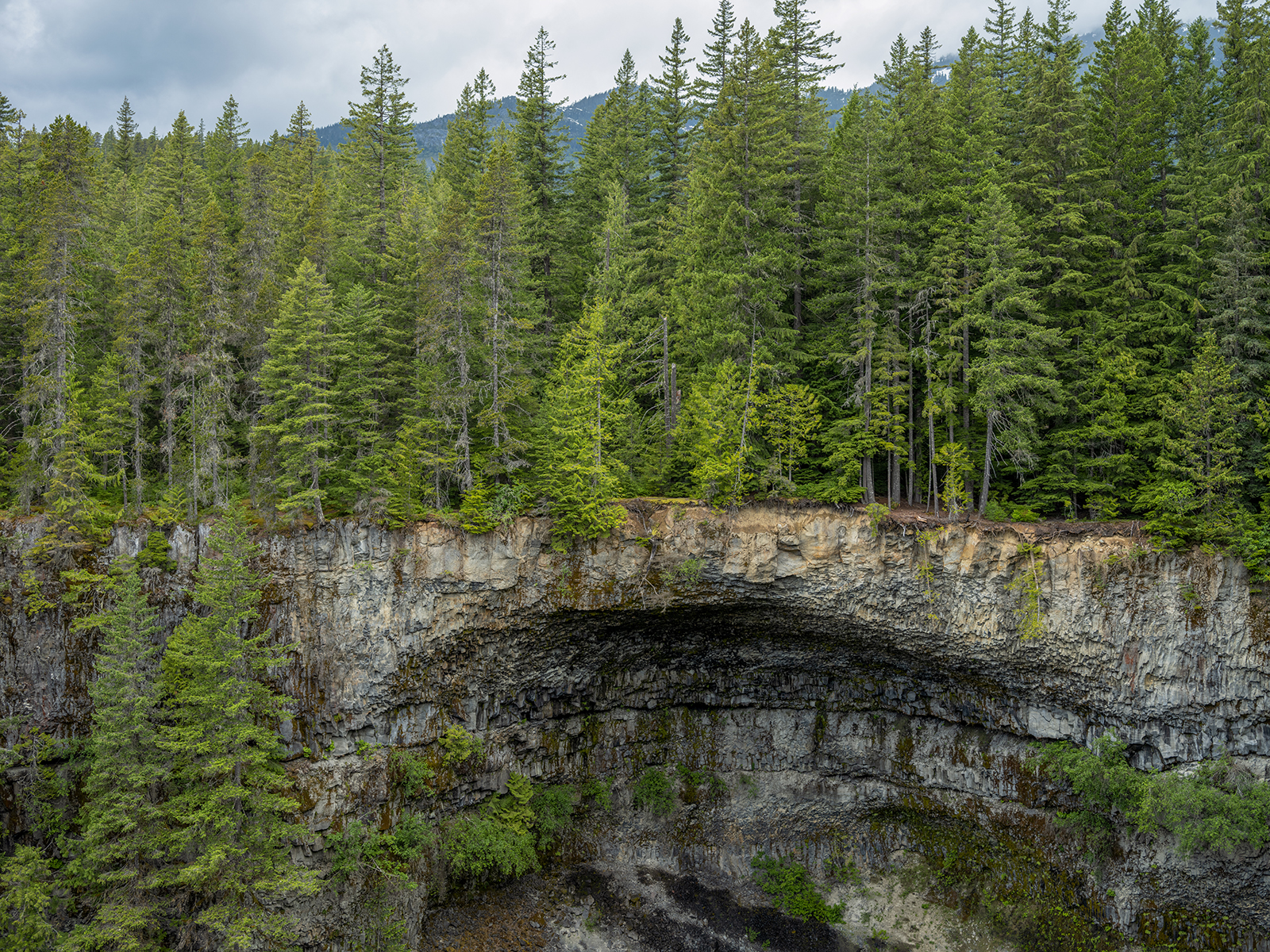
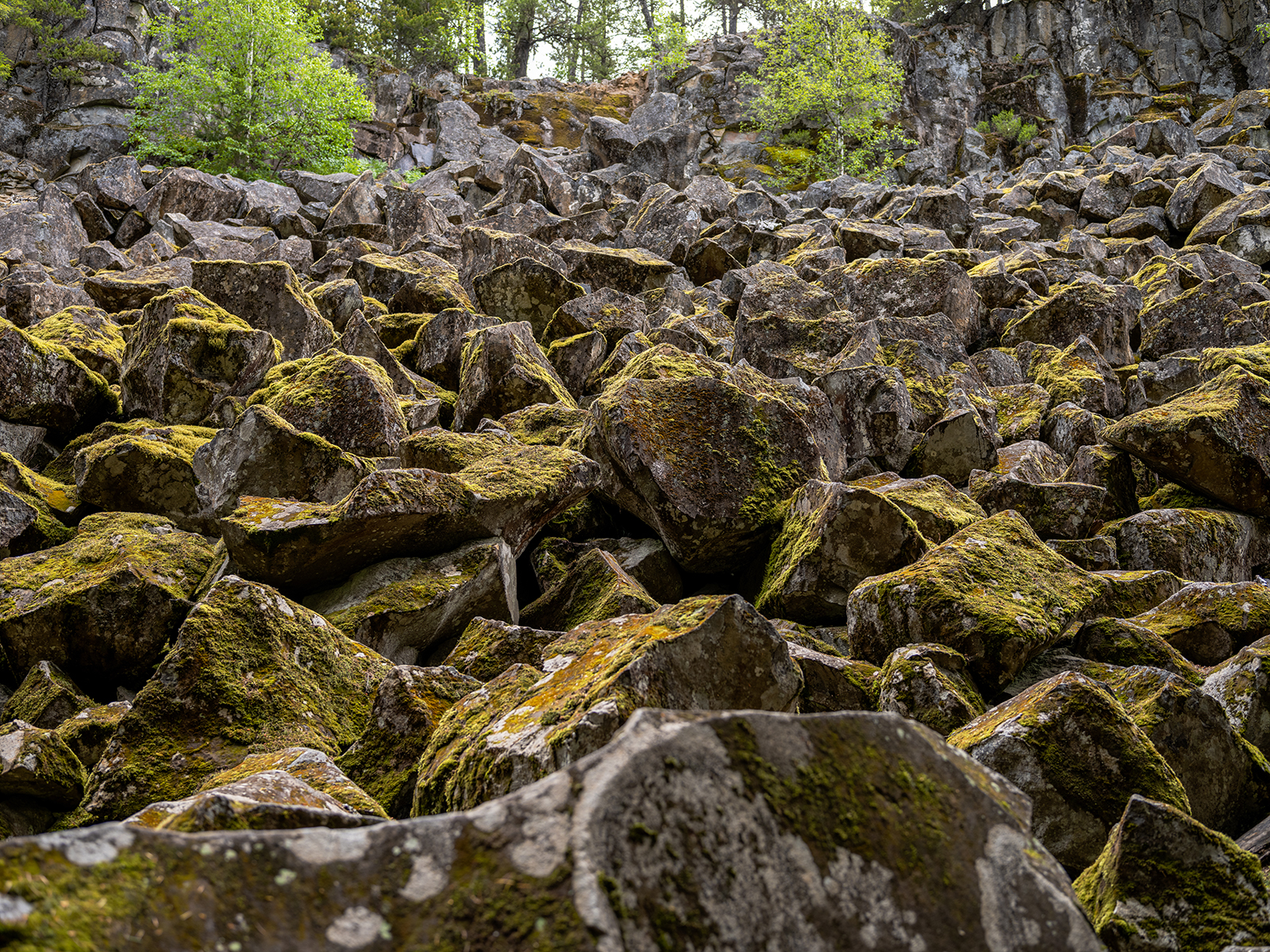
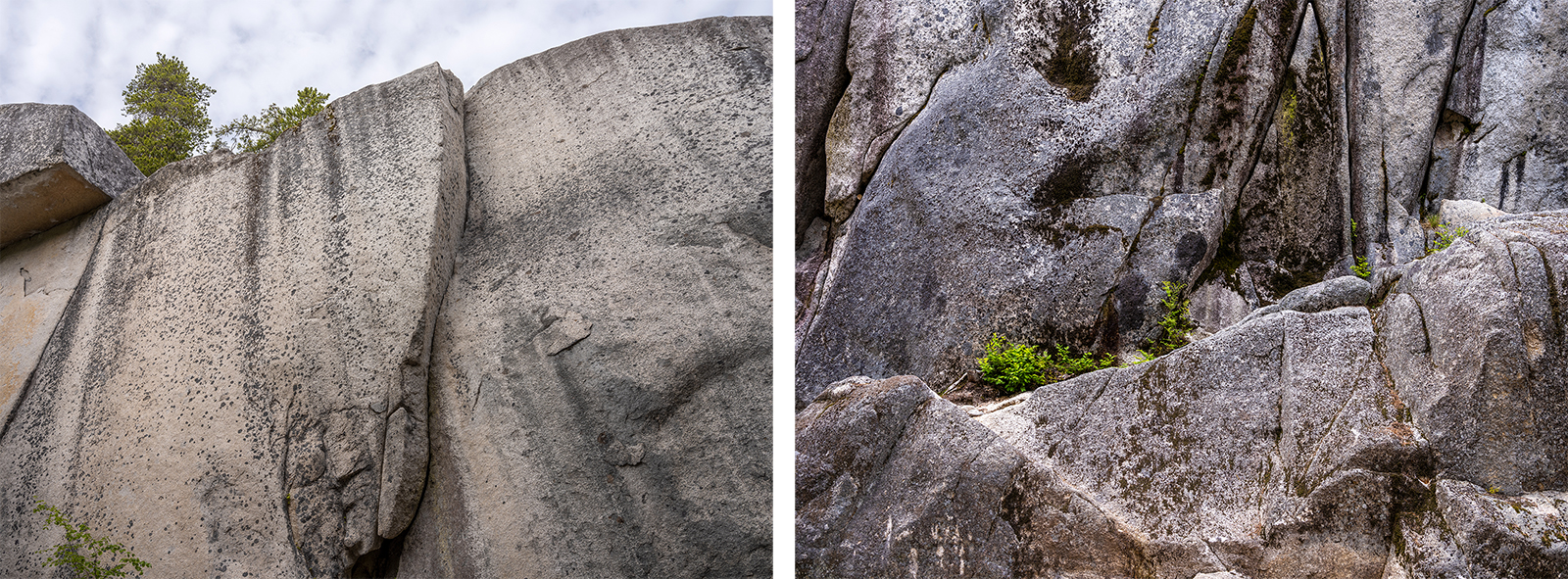
“Everyone needs to make a living. A lot of our people are in forestry, not only cutting trees but doing silviculture, restoring what we have done. You need to preserve areas though. There has to be a huge amount of ancient forest still standing so that we can still find medicines, etc. It could be a win-win situation if we find the right balance. There could be jobs for us and for the non-natives as well…”
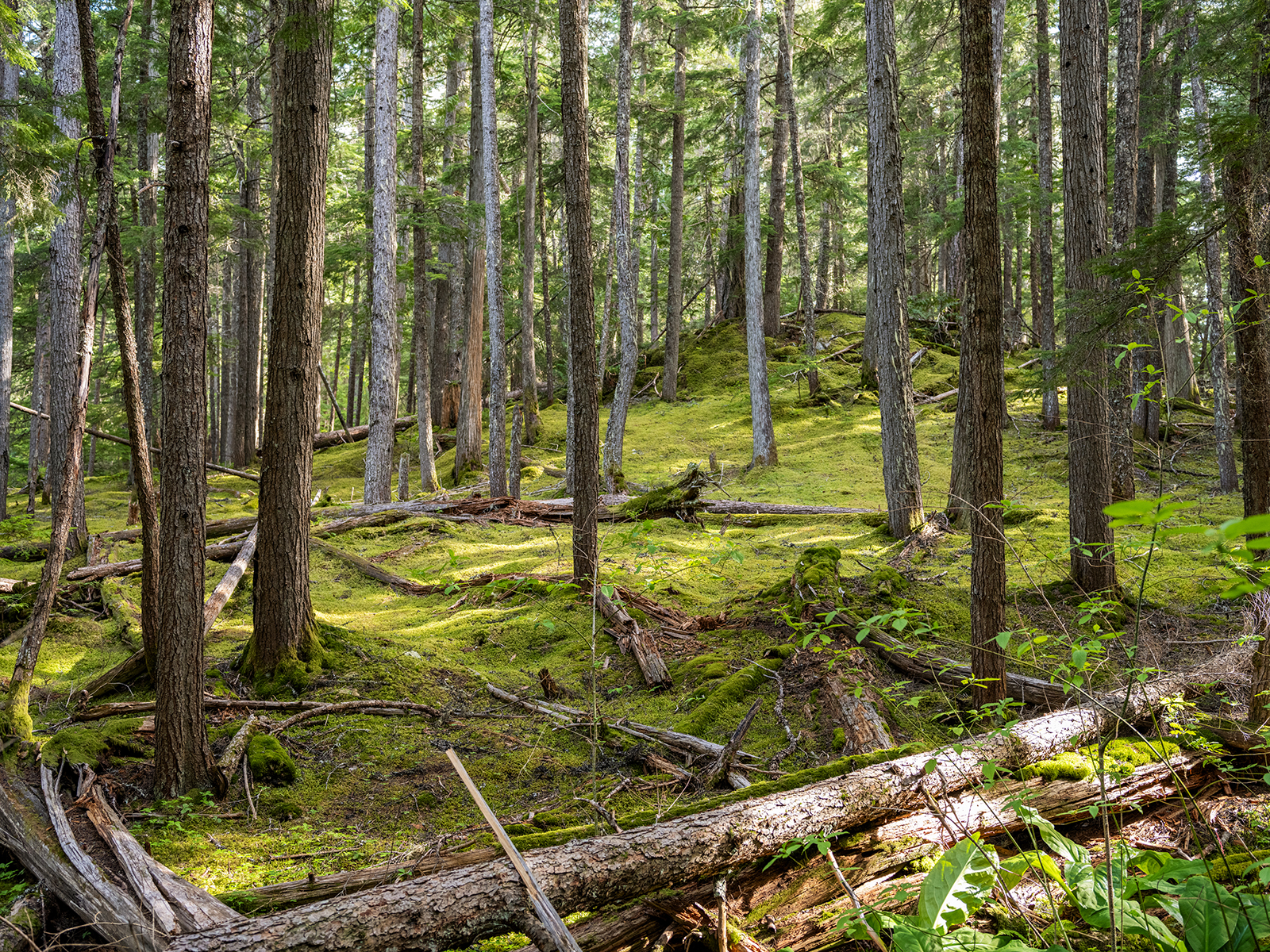
“We’ve been confined on reserves for hundreds of years but now after Delgamuukw we know that we can make a difference in the wider picture. We can affect the land beyond our reserves. We’re learning again to be conservationists. We were the first conservationists.”
– Ts’élkwílem-t siýám ̓ – late Chief Byron Joseph from the 2001 X̱ ay Temíxw
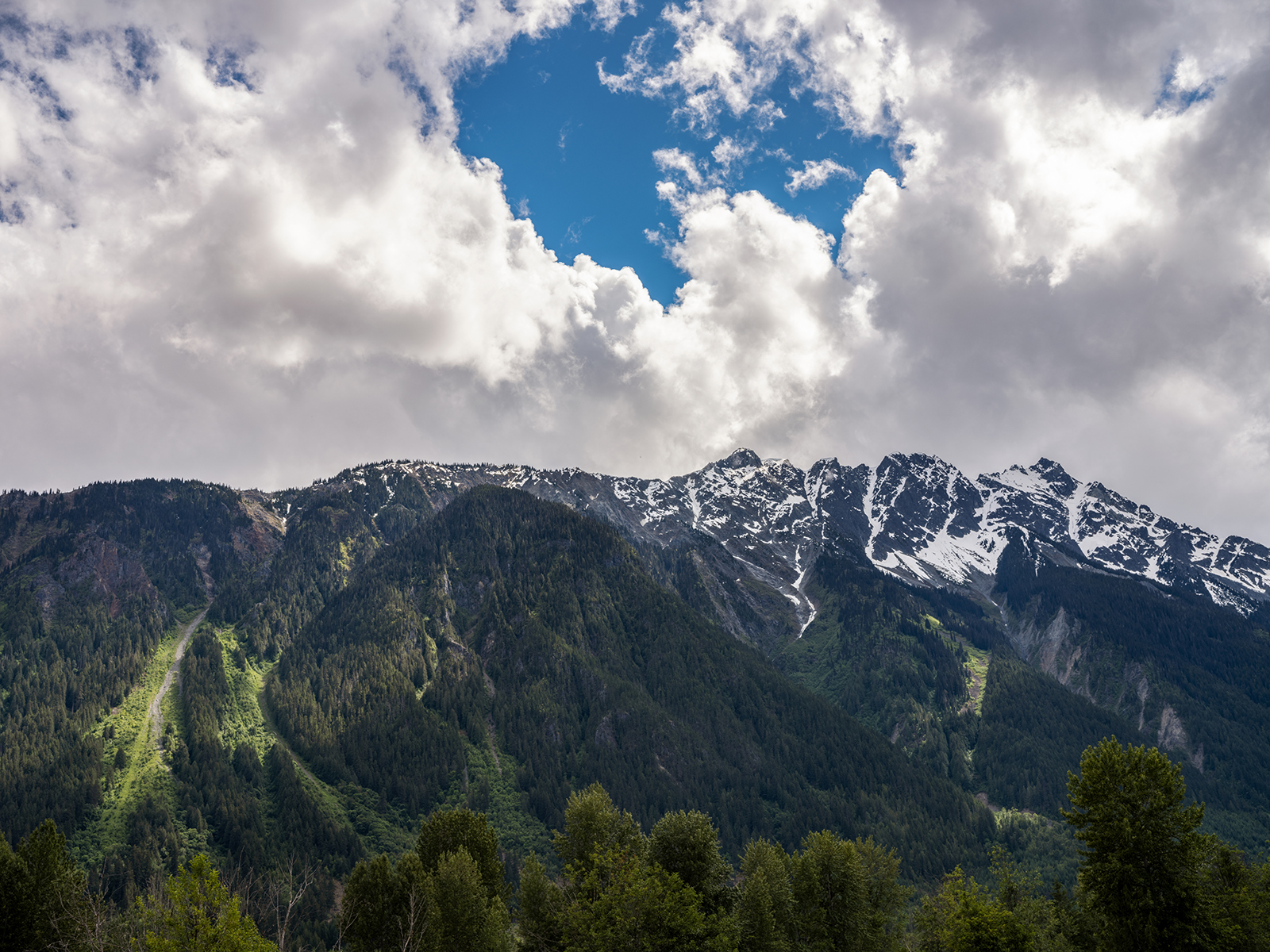
Schatz works his way through the mountains, tracing the paths that were first created by the Squamish, connecting through time to these people. It is still possible to imagine while walking these paths what it would have once looked like, the way that it would have appeared to the first humans who arrived to the region.
To learn more about framing and pricing for Lincoln Schatz’s Canada: British Columbia please click here. If you have any questions or would like to purchase a work from this edition, please do not hesitate to get in touch.