Ashcroft, Colorado
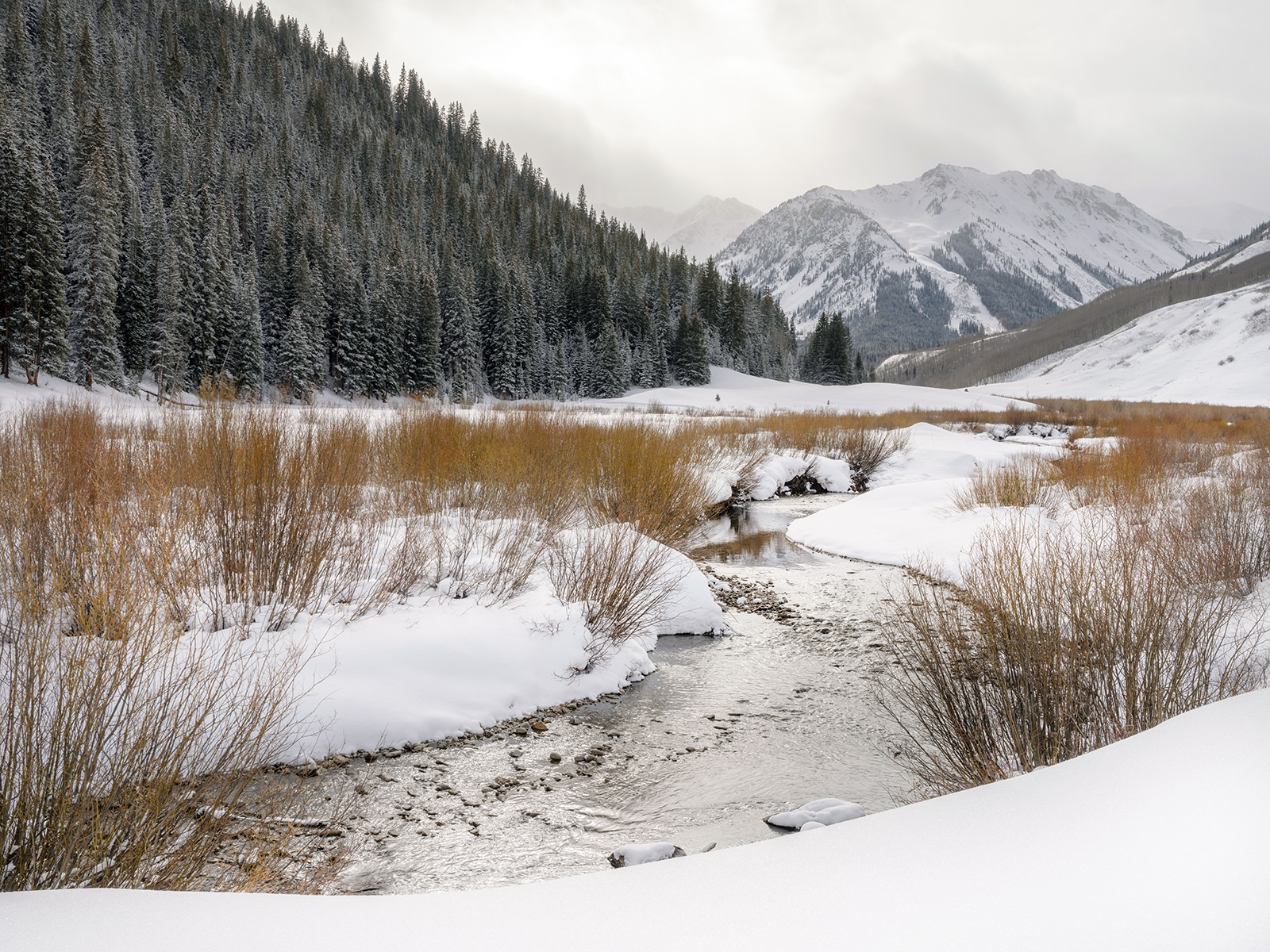
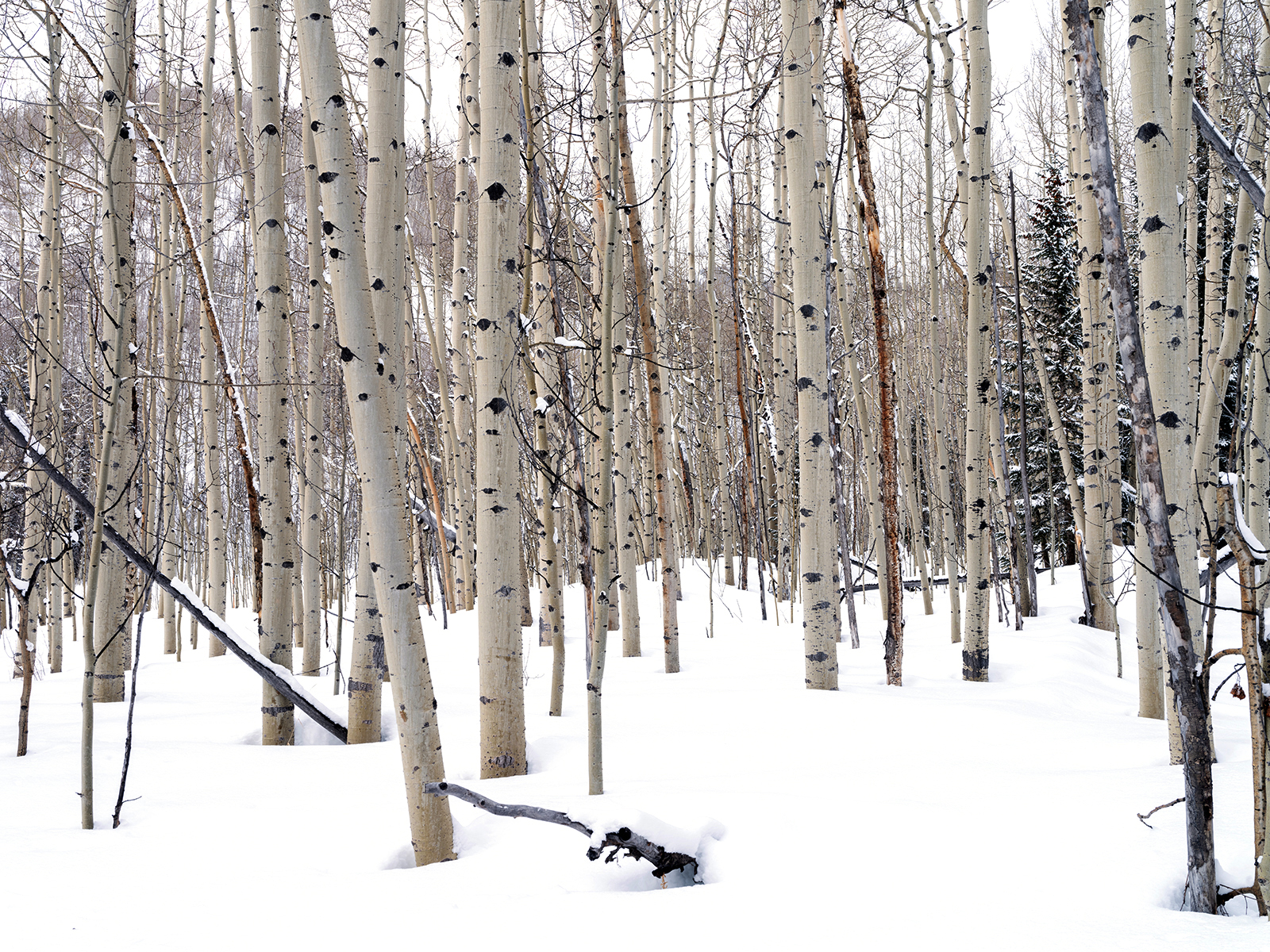
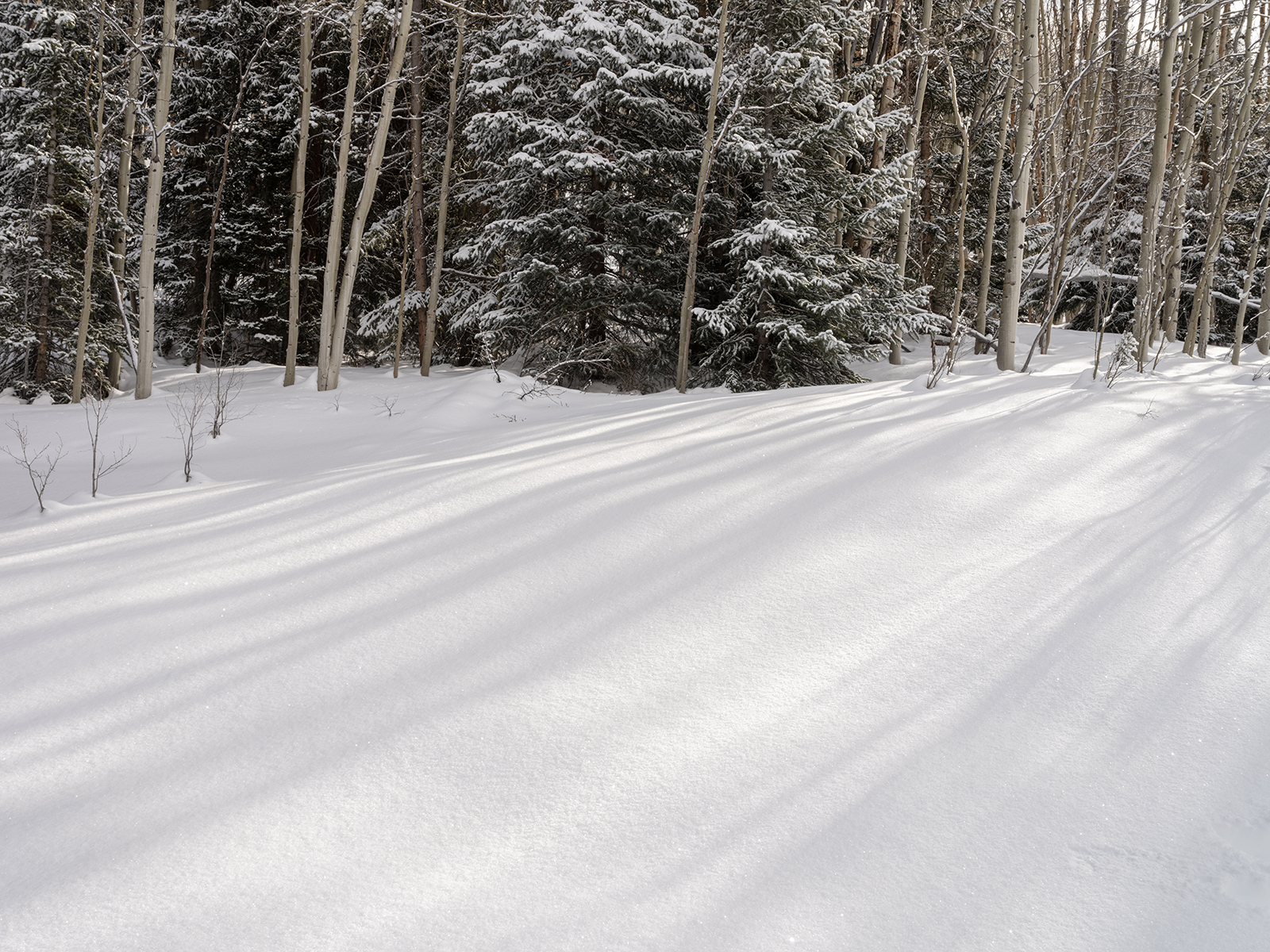
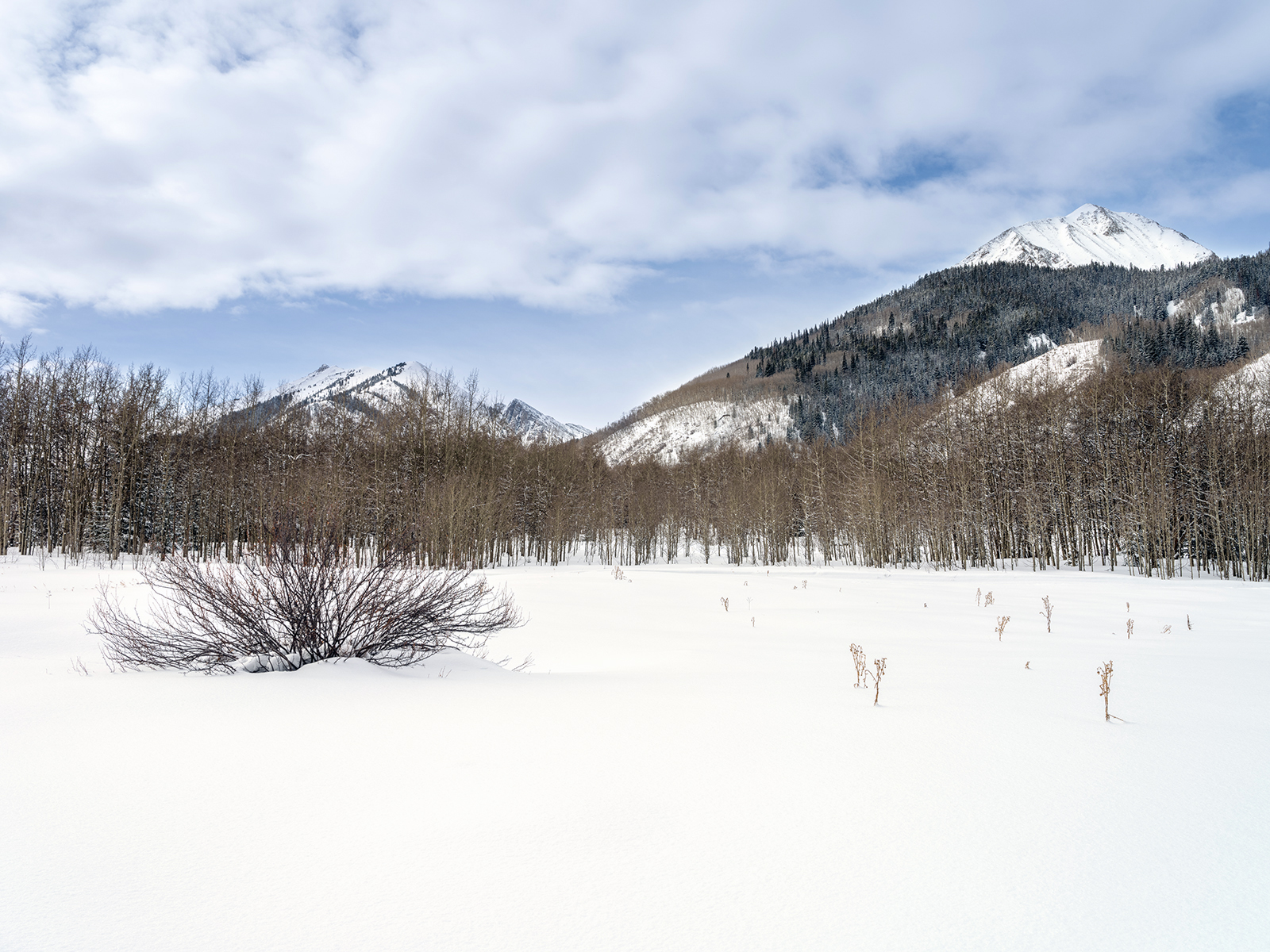
Ashcroft, Colorado is an edition of photographs by artist Lincoln Schatz featuring early winter landscapes in the Rocky Mountains of Colorado. In this edition heavy snow transforms the valleys, mountains, trees and rivers at high elevation, creating a world filled with the interplay of light and shadow.
“There is a specific stillness in that high alpine valley that is somber and majestic. I have been exploring this landscape for over twenty years. Each time I come away with a new understanding of the flora, fauna, geology, history, allure and danger found in this region.”
Lincoln Schatz
Ashcroft was once home to the nomadic Ute people, a collection of Indigenous tribes who hunted and gathered in this region until they were forcibly removed by the United States government in 1881 following the discovery of silver deposits in the surrounding mountains.
First known as Castle Forks City and then briefly as Chloride, Ashcroft grew quickly in size alongside the mining claims that flourished in the mountains surrounding Ashcroft. However, within three years of discovering silver deposits, most of the mines and prospectors had disappeared, leaving behind a smattering of log buildings, a handful of residents and little else.
The area was used by the 10th Mountain Division during World War II to conduct training exercises, following failed attempts to open a ski lodge in Ashcroft. Following the end of the war, Isabel and Stuart Mace brought their family to live in the town, opening a lodge, restaurants, art center and dog sledding operation collectively known as Toklat Wilderness Lodge.
Stuart Mace spent the rest of his life working to repair the damage done by previous decades of heavy livestock grazing in the valley. Today much of the land has returned to how it would have once been seen hundreds of years prior, the meadows now filled with native plants again.
“The plant doesn’t talk like we do, but it has things to say. It tells you how to live, how to conserve energy, how to live with your neighbor, where to live, and tells you all kinds of things if you learn to listen. And listening isn’t just with your ears it’s with your eyes, and the rest of your perception.”
Stuart Mace
In 1975 Ashcroft would become a Nationally Registered Historic Site, an initiative spearheaded by Mace and the Aspen Historical Society, ensuring that both the town and the landscape surrounding the town are protected into the future. It is against this historical backdrop that Schatz enters while photographing this edition.
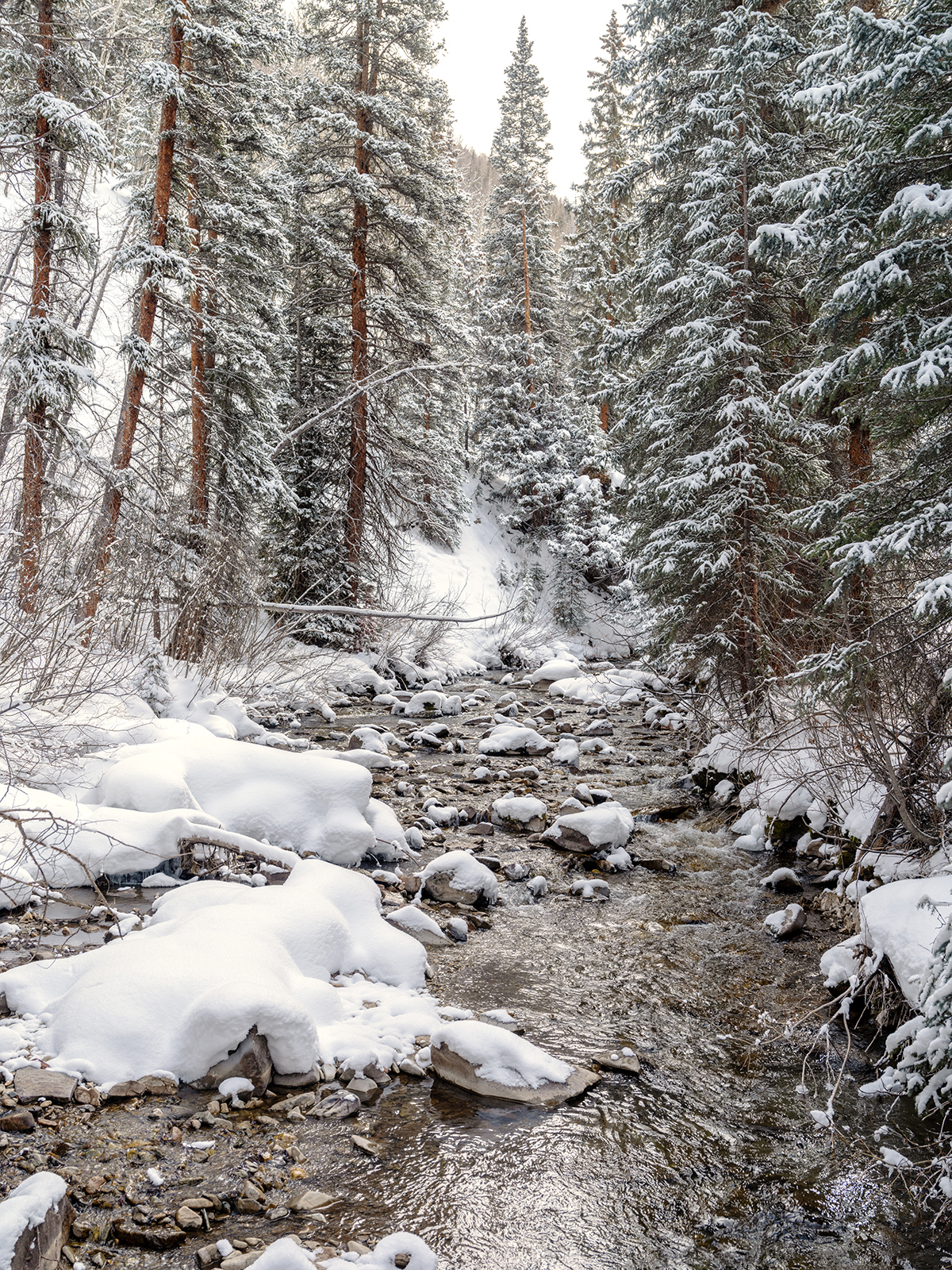
Streams and rivers work their way through the landscape, fed by glaciers found high above the 9,500 foot elevation of Ashcroft. They wind their way through the mountains, both above and below ground, creating a seemingly never-ending supply of fresh water to the valleys below.
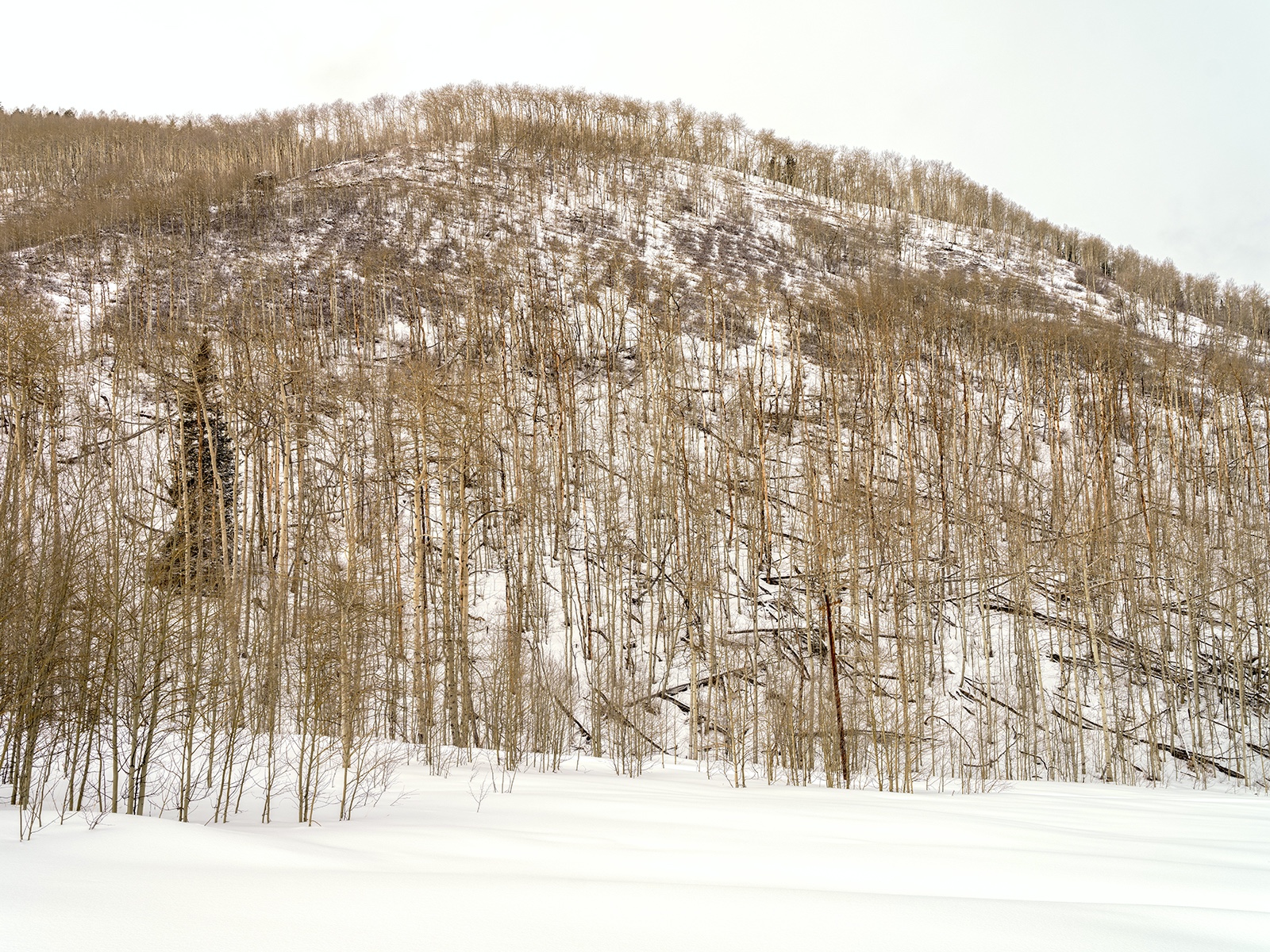
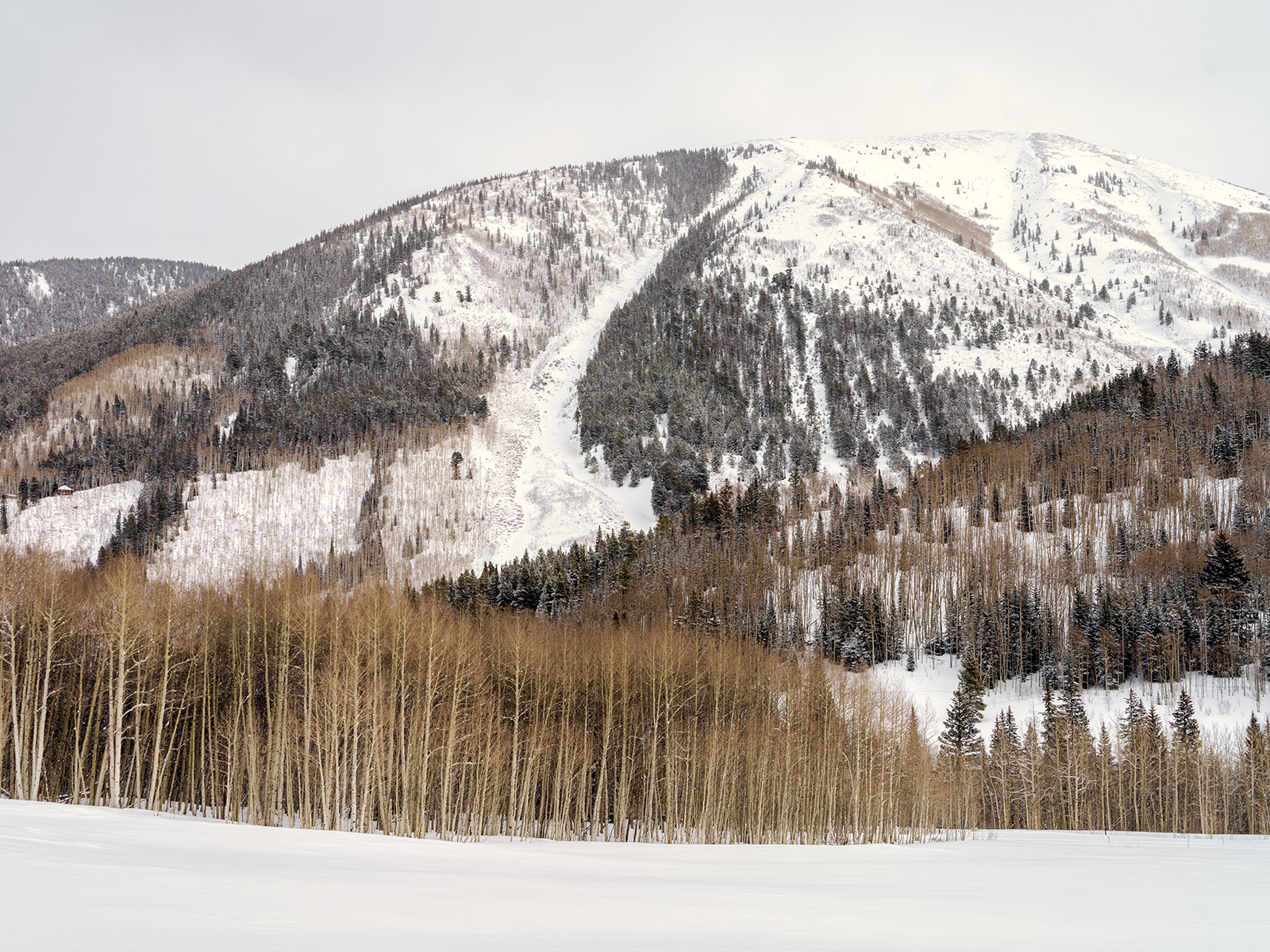
Avalanches shape the mountains, upending large trees and wiping vegetation from steep rocky inclines each winter. In photographs like, Ashcroft, Colorado (10), it is possible to see both the destruction and life created out of these events.
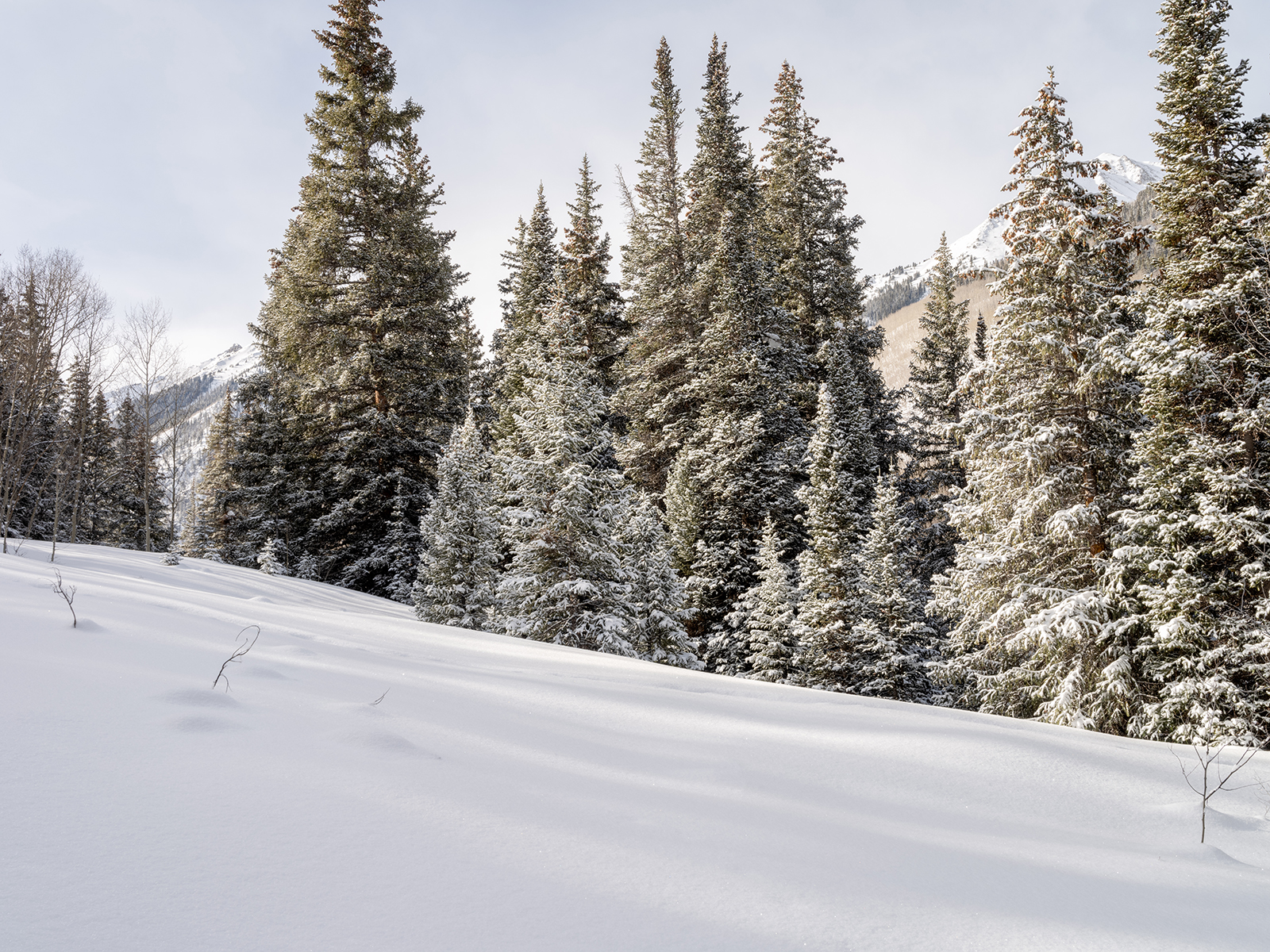
The brittle stems of grasses and wildflowers, browned from frost and cold, emerge from the drifting snow in photographs by Schatz. Slowly decomposing over winter these plants will become vital nutrients for future generations of flowers. Each successive season enriching the next, ensuring the valleys will be filled with life for years to come.
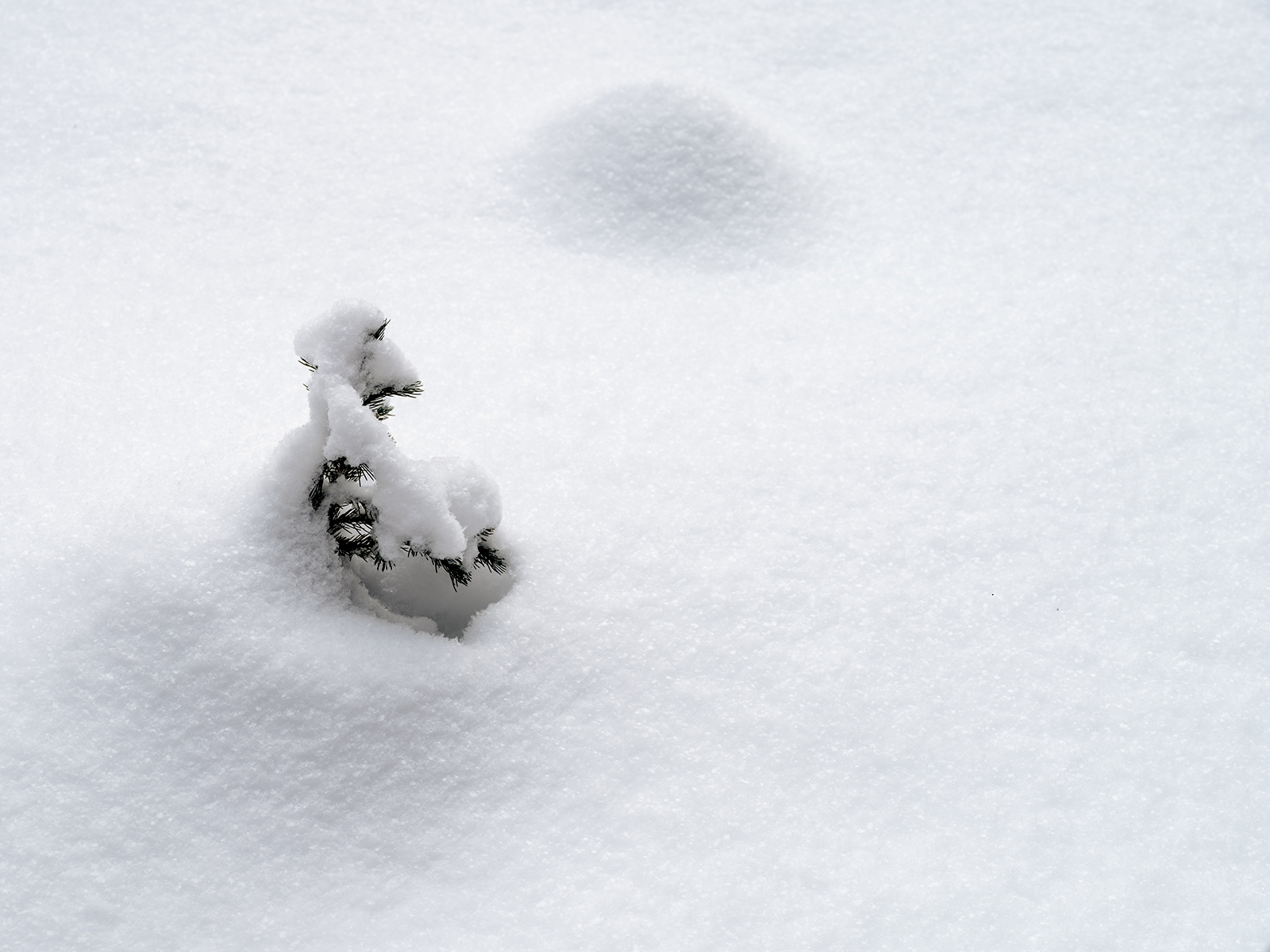
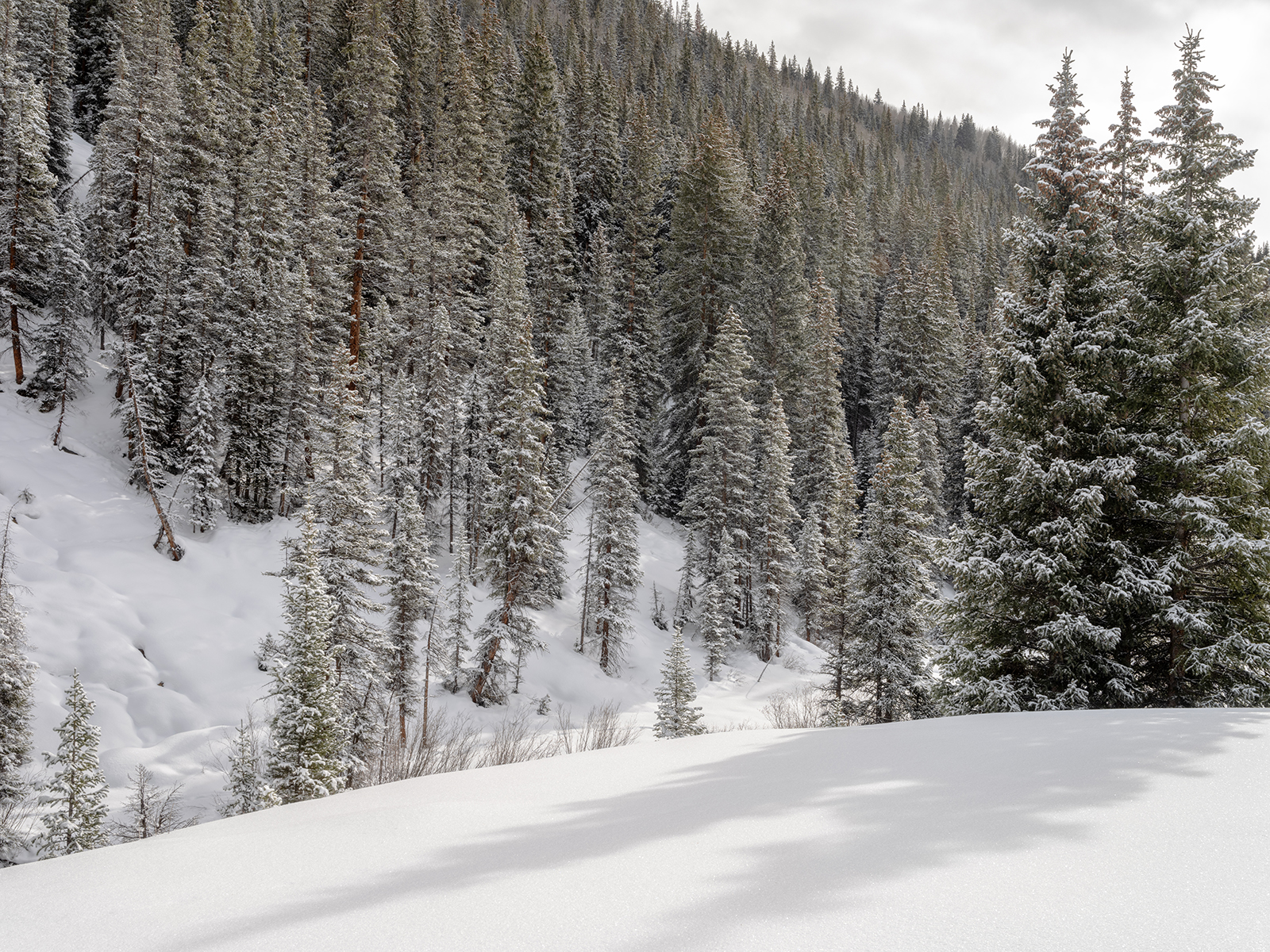
“Winter removes the nostalgia of place and lays bare the landscape and pragmatism of survival. Elongated shadows, like fingers, reach out across the snow covered terrain extending their temporal reach from the bases of Aspen trees.”
Lincoln Schatz
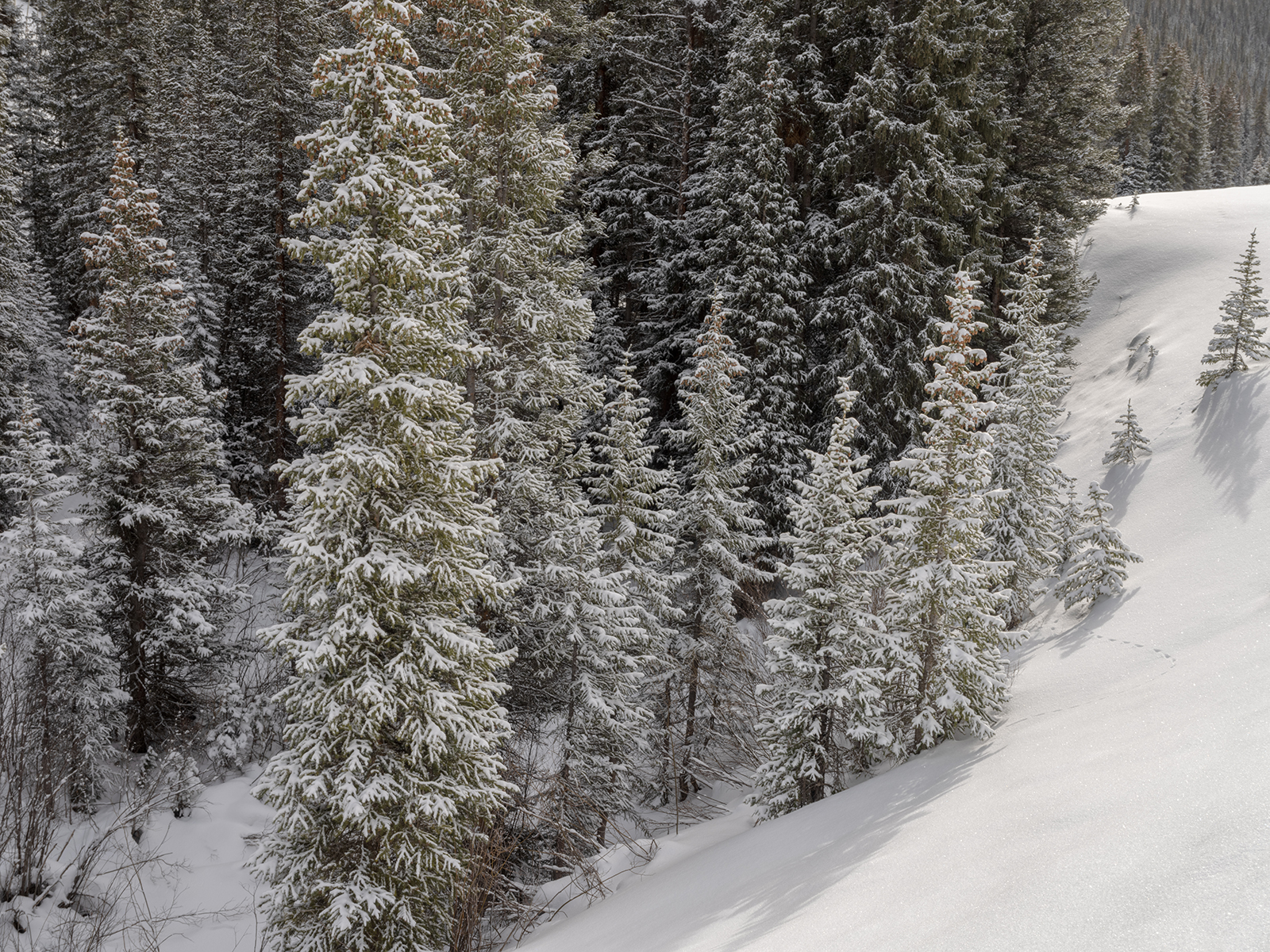
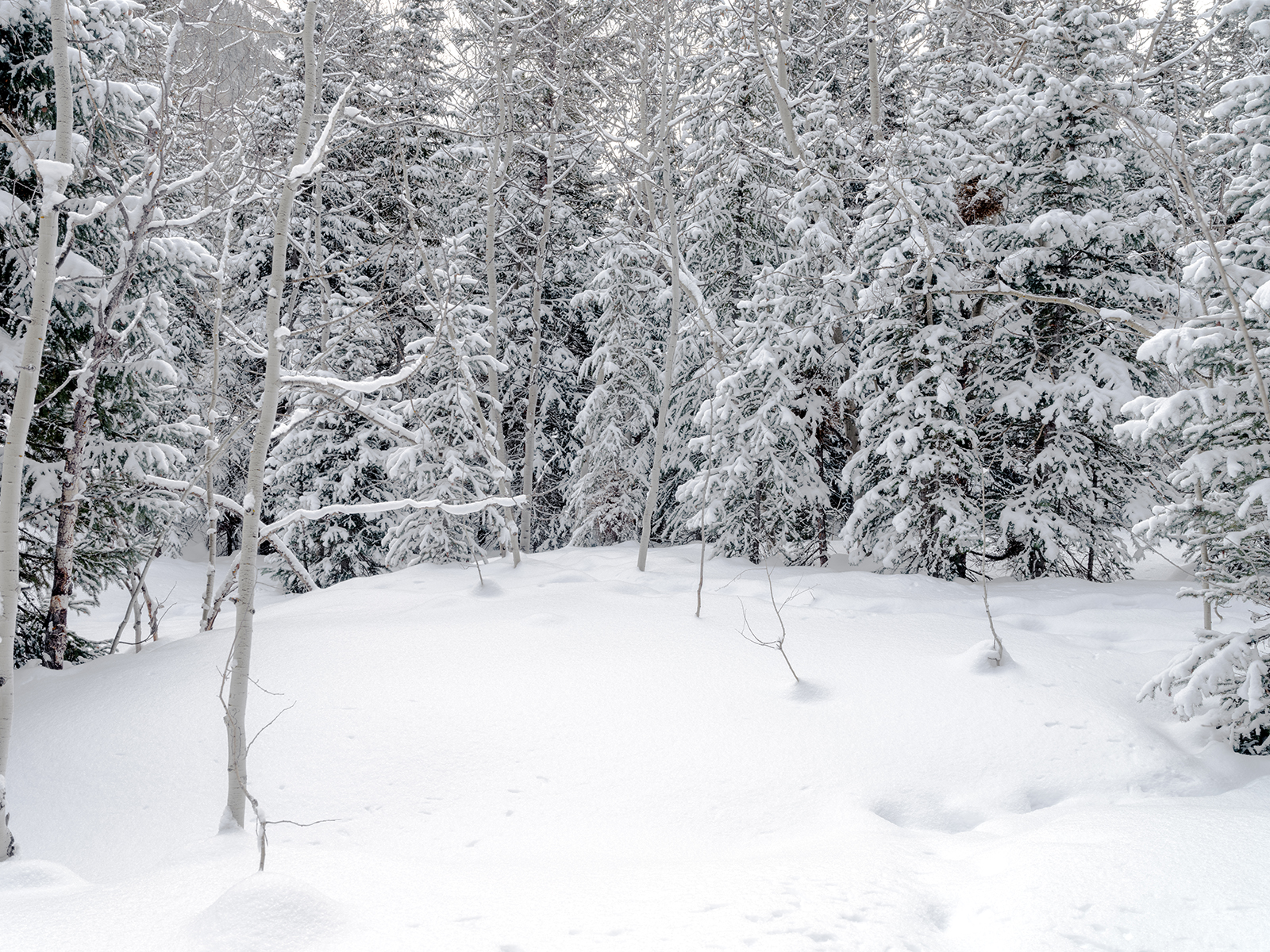
Early winter light illuminates the snow, giving a soft other-worldly quality to these high altitude landscapes. The snow weighing heavily on the boughs of trees.
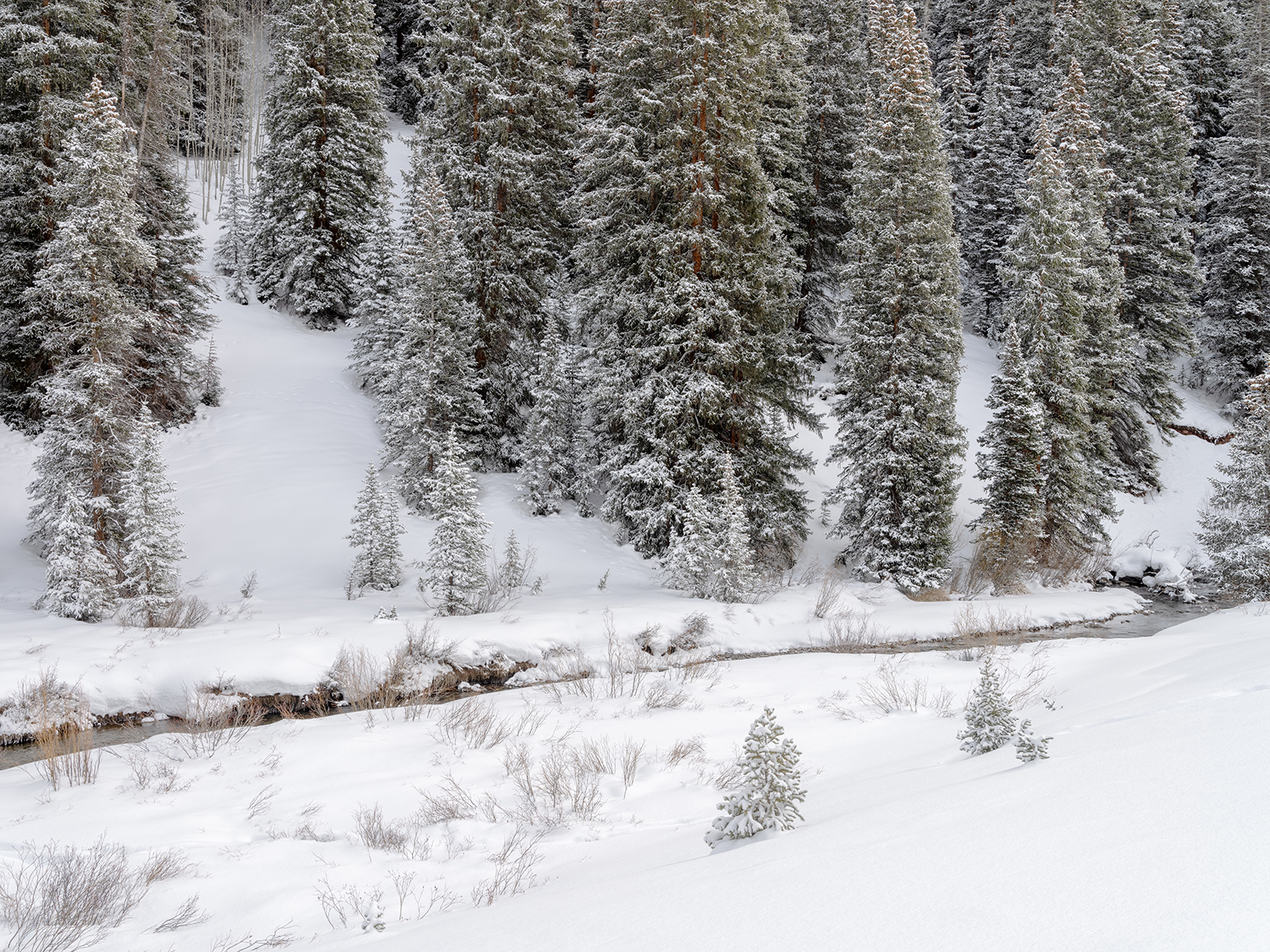
While it can seem as if little is alive this time of year, just under the surface life is just waiting to emerge. It is just that in winter the forests are alive in more subtle ways. For now the trees stand, stripped of last season’s foliage, in silent witness to the winter settling in around them.
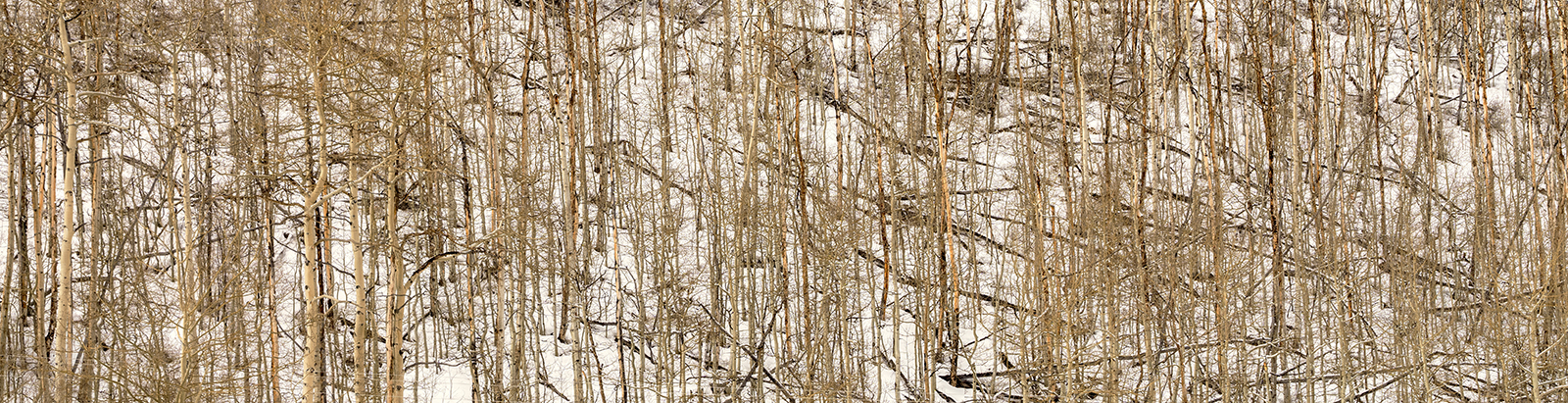
“Even a little shining bud which lies sleeping behind its twig and dreaming of spring, perhaps half concealed by ice, is object enough.”
Henry David Thoreau: Journal, 10th of January, 1856
To learn more about framing, edition size and pricing for Lincoln Schatz’s Ashcroft, Colorado photographs, click here. If you have any questions or would like to purchase a work from this edition, please get in touch.