Tyrol, Austria


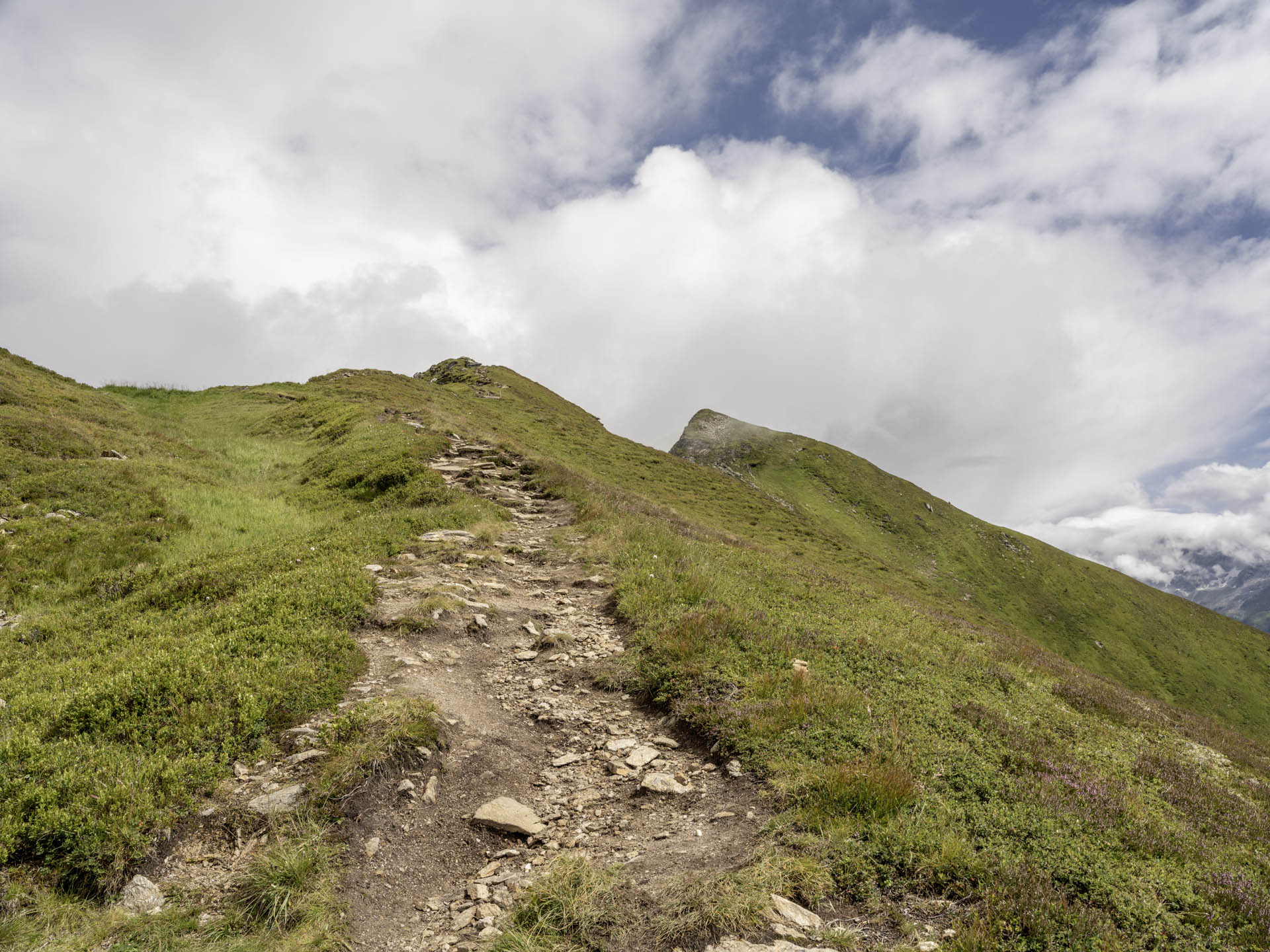
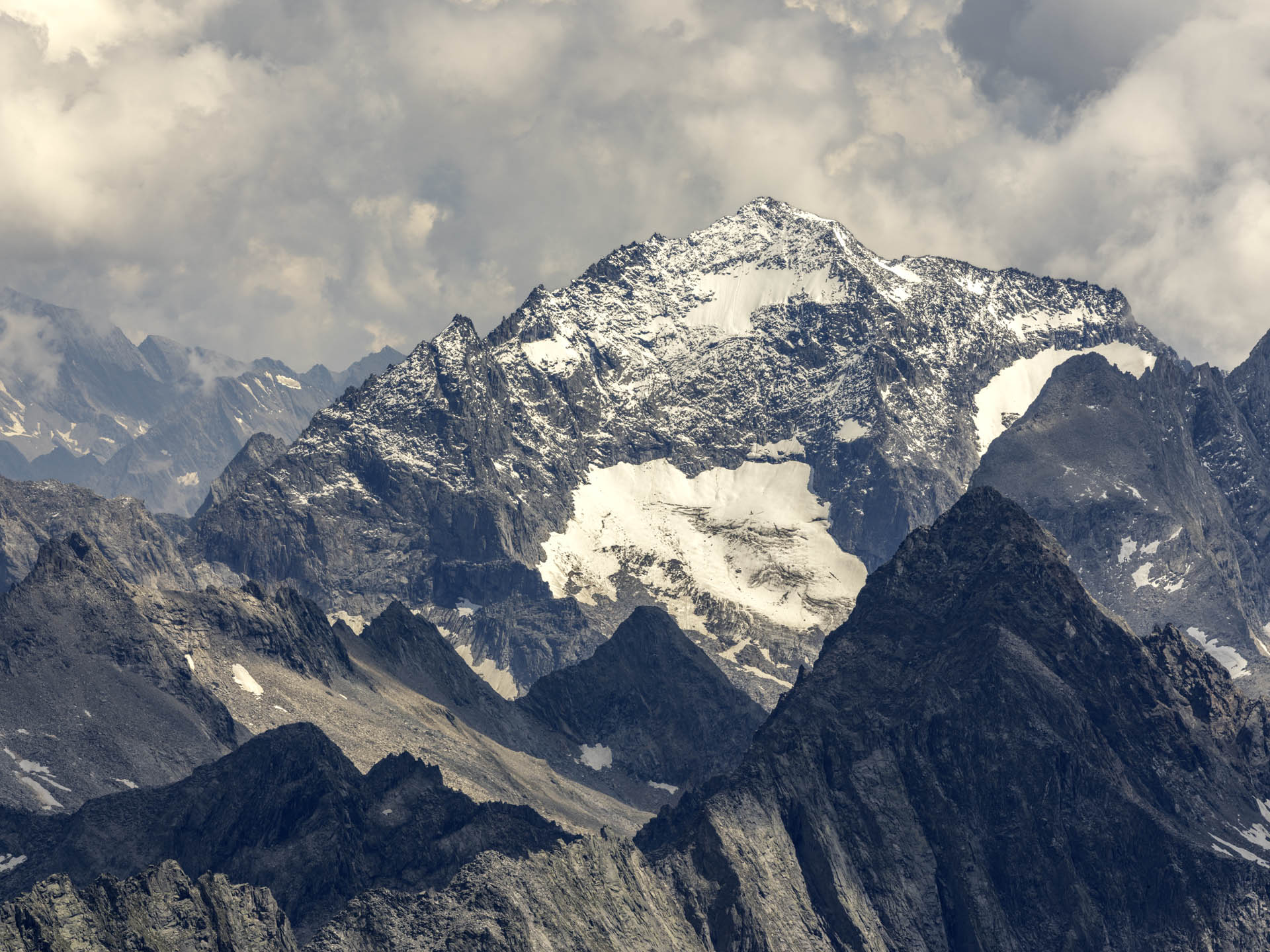
“The boundary between stewardship and complicity has dissolved. We are no longer visiting the sublime. We are remaking it.”
Lincoln Schatz
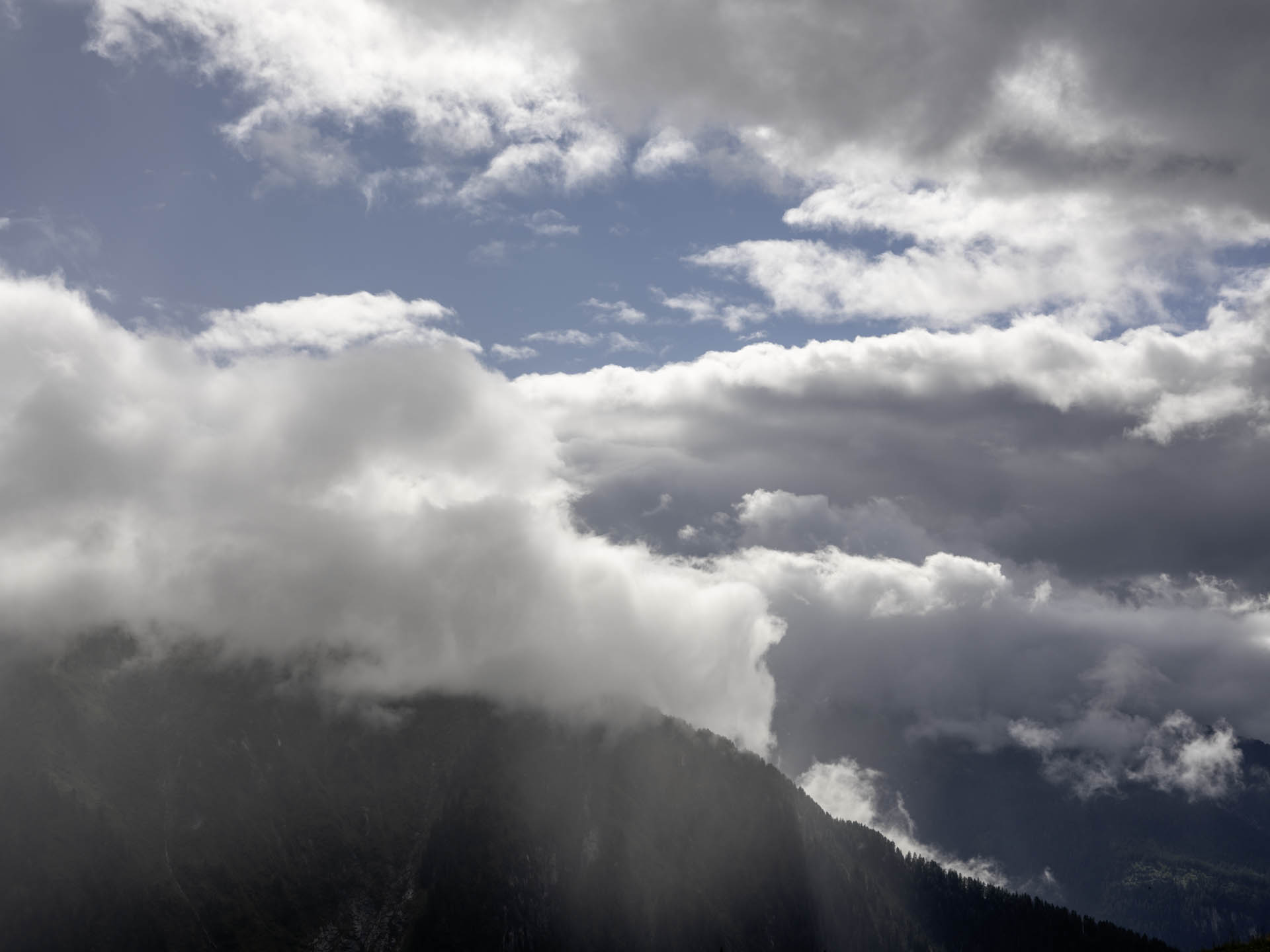
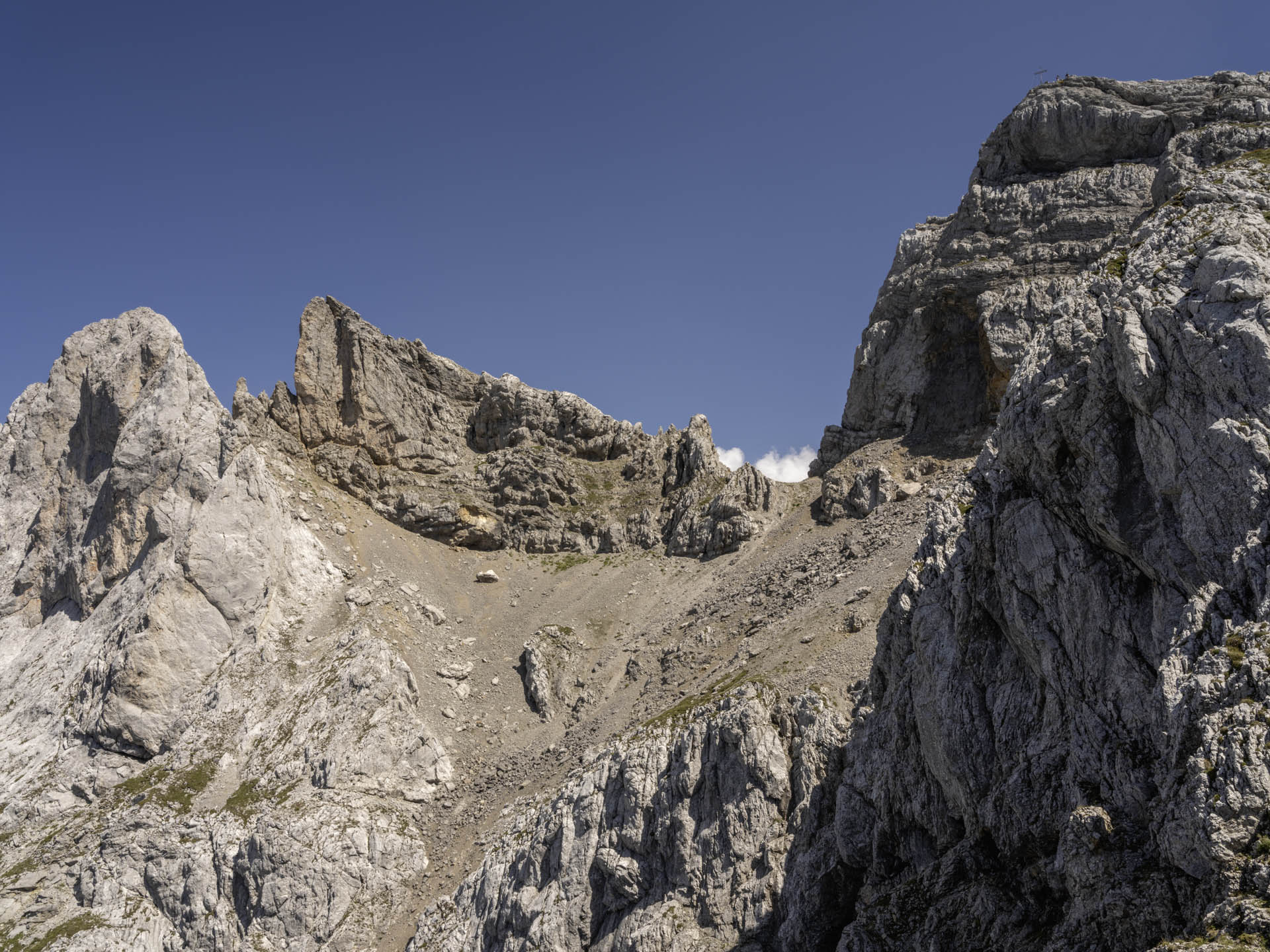
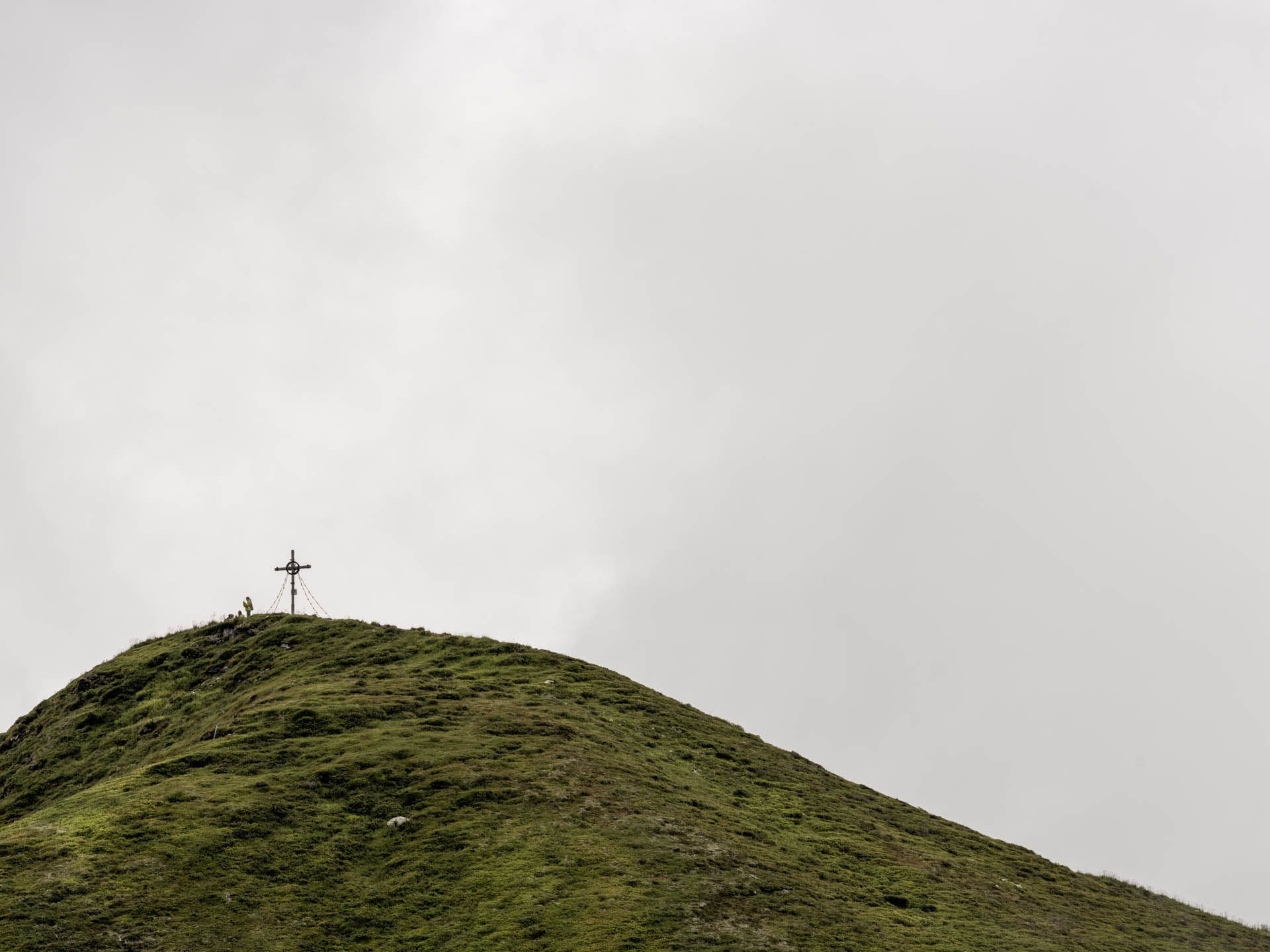
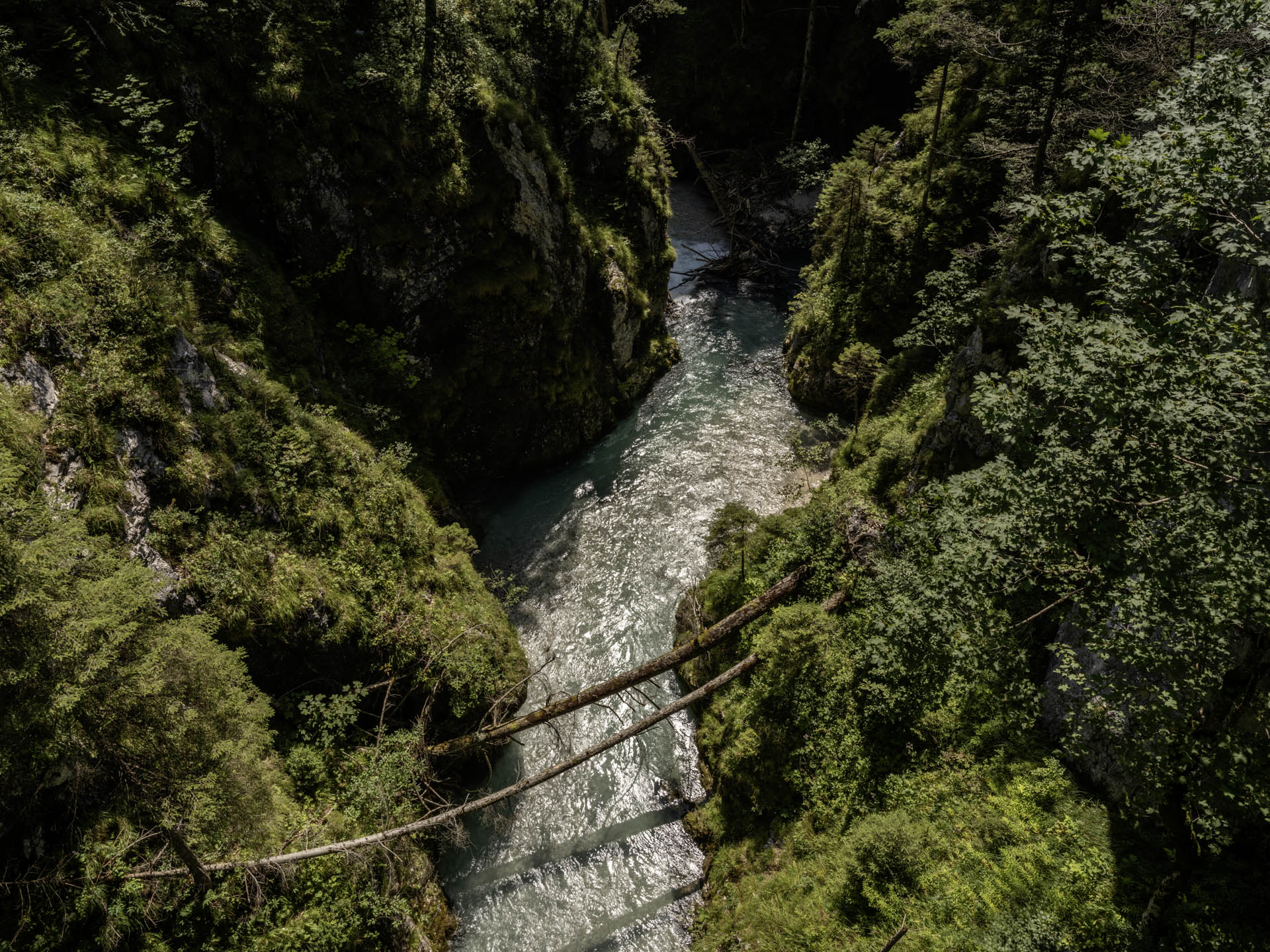
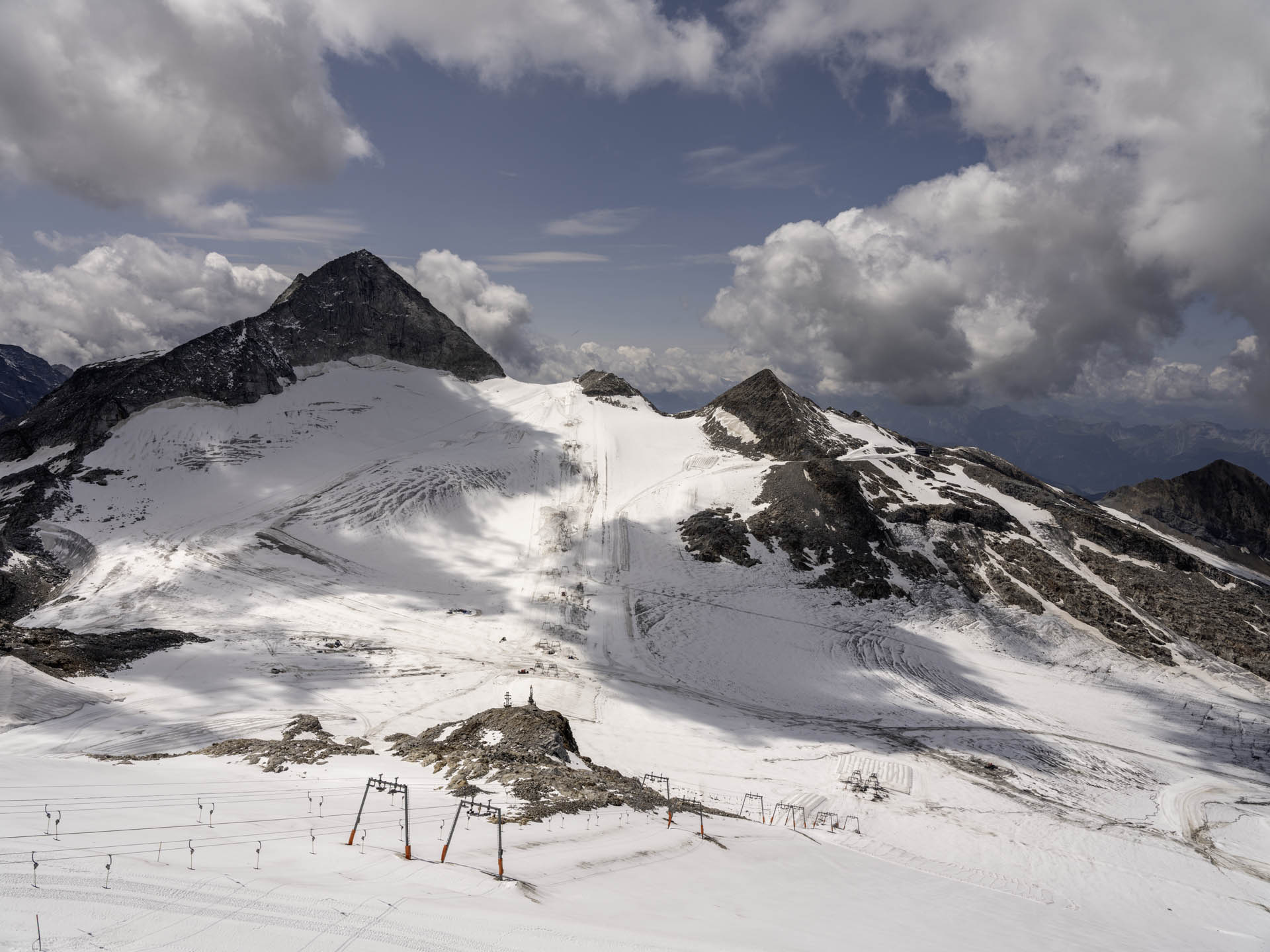
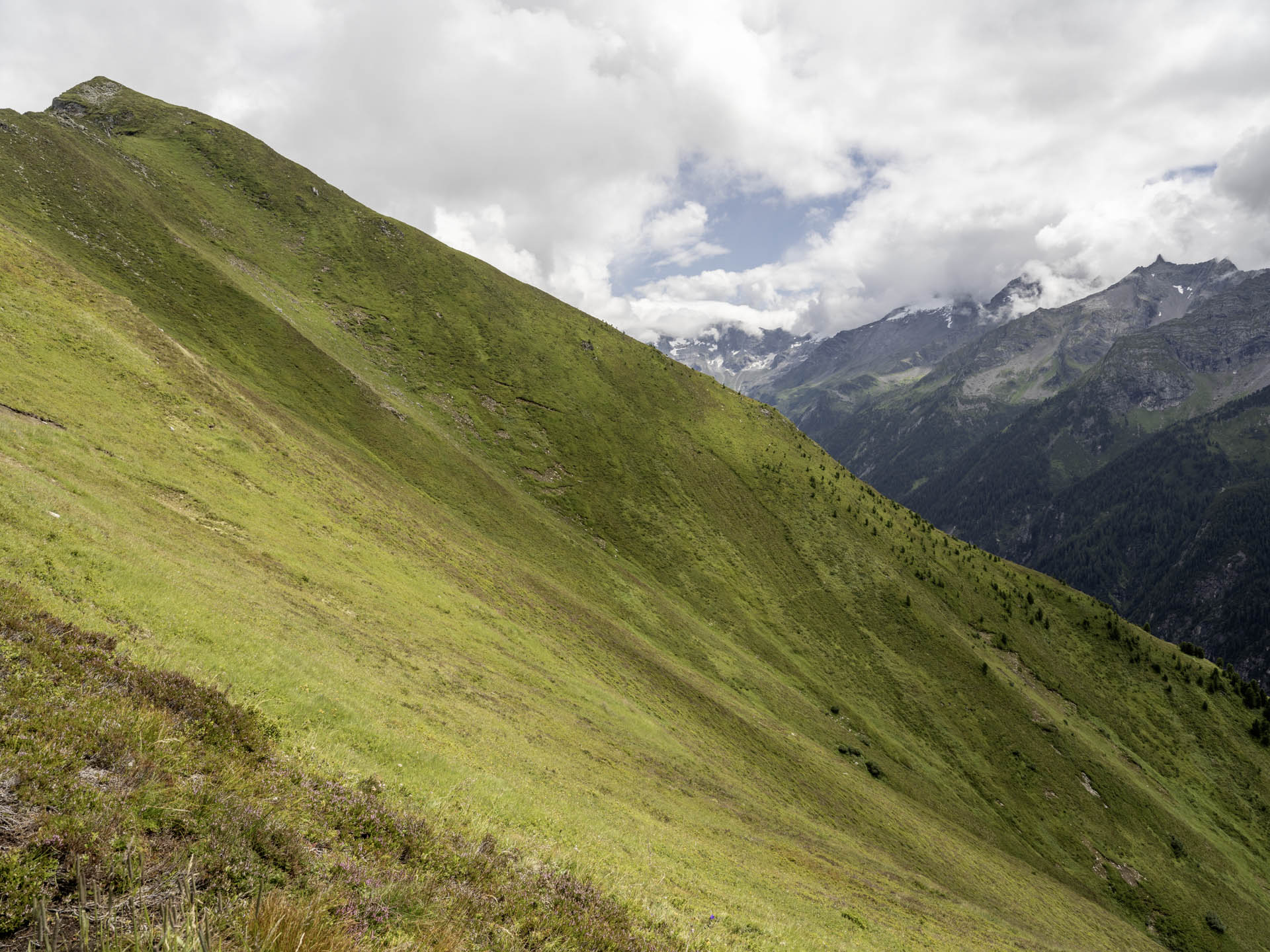
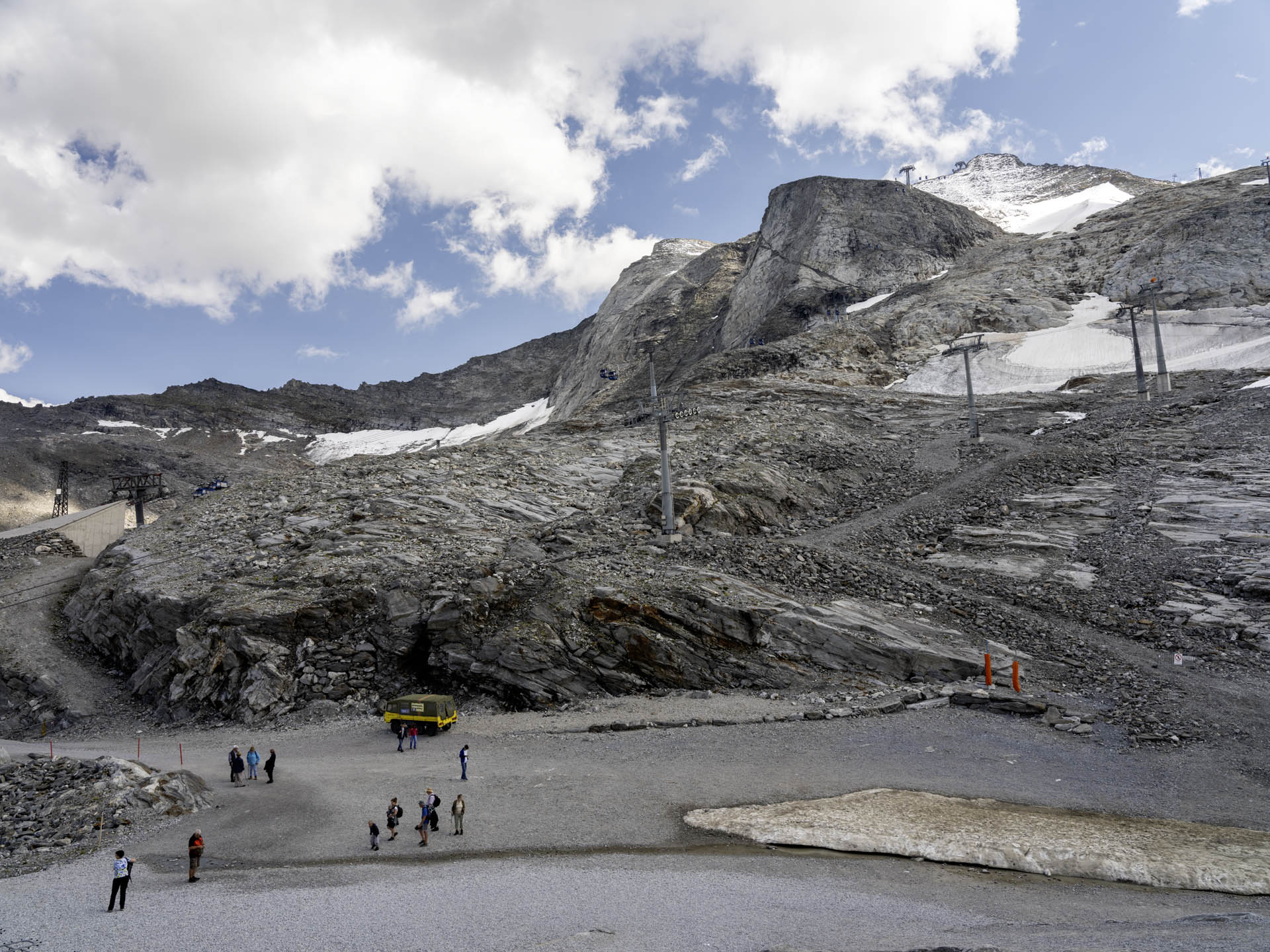
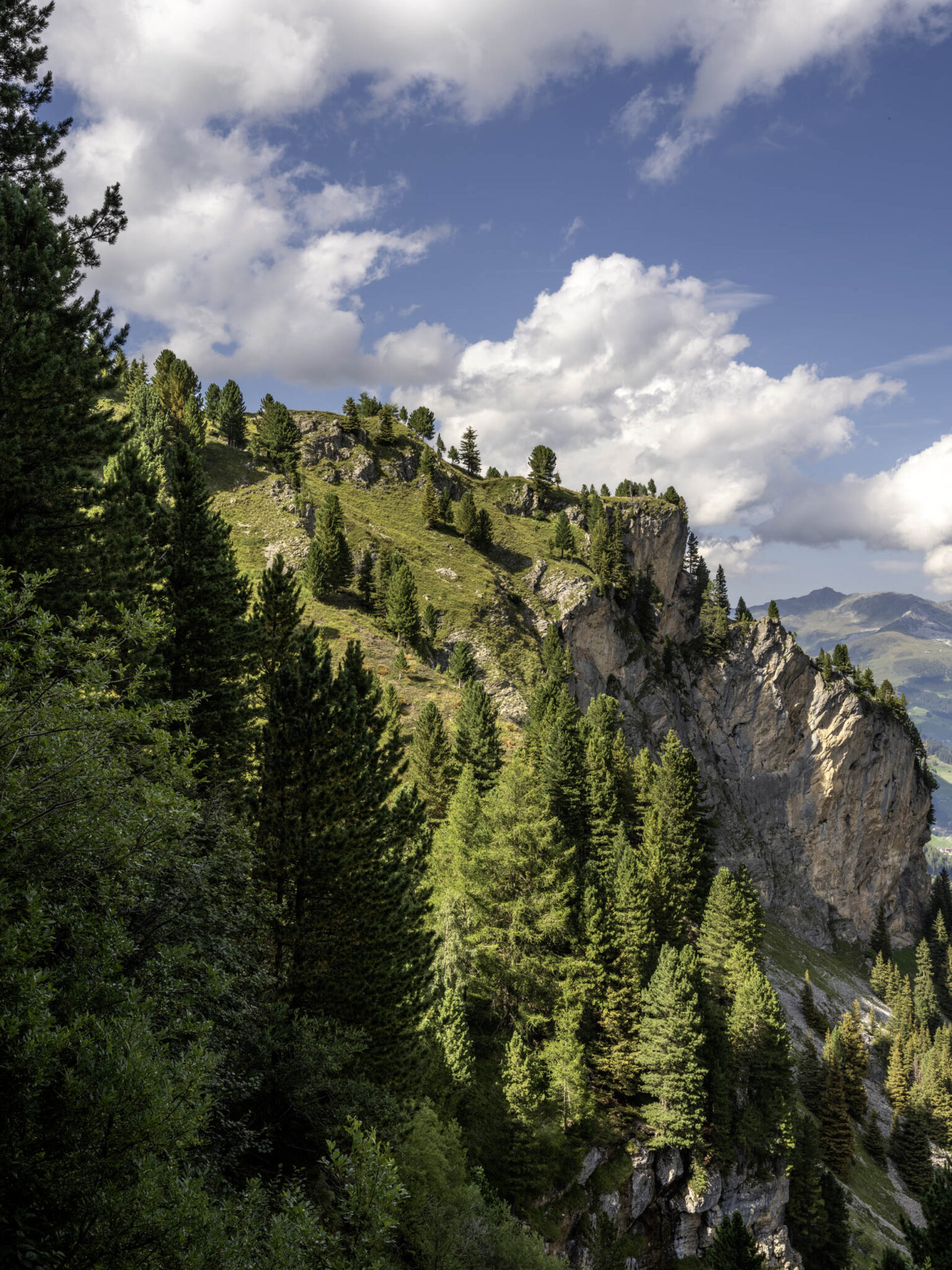
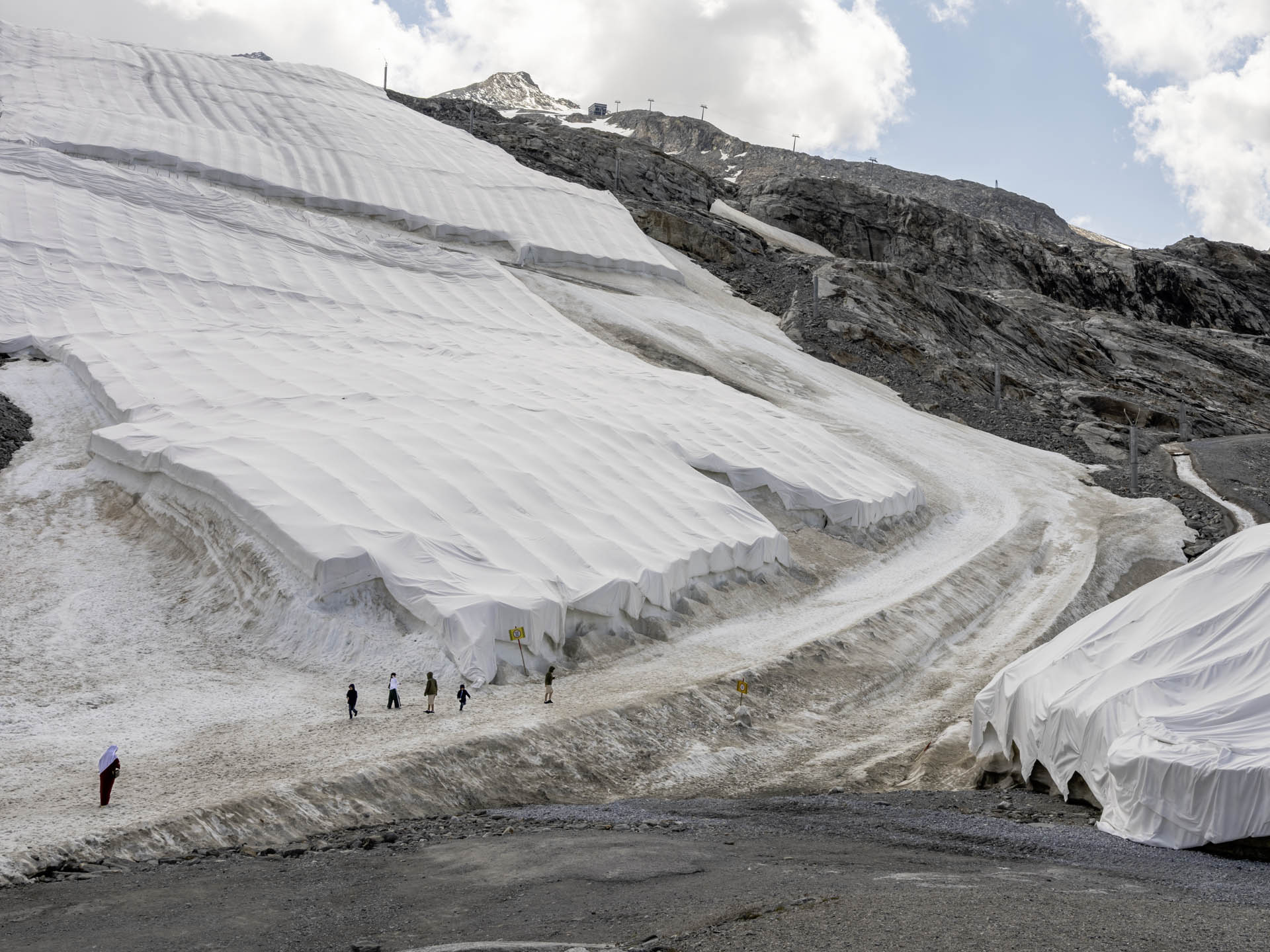
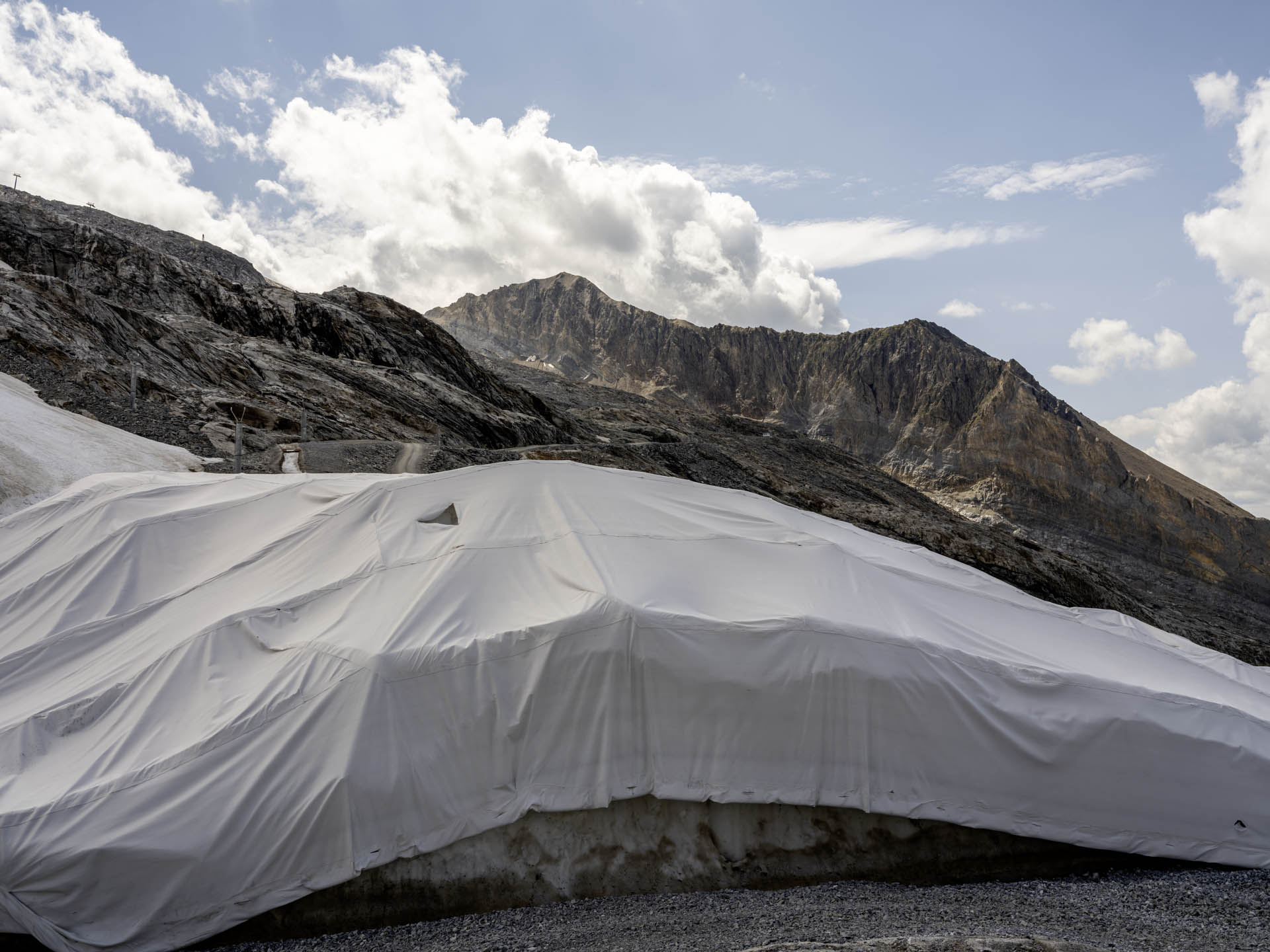
The Alps bear the imprint of every generation: trails worn into stone, farms carved from impossible slopes, rivers engineered, peaks made accessible by cable and tram. What was once considered the exclusive province of the gods has long since been shared with human ambition, longing, and commerce. Today, its glaciers are covered in white plastic sheeting — a gesture both pragmatic and heartbreaking, an attempt to slow what cannot be stopped. The boundary between stewardship and complicity has dissolved. We are no longer visiting the sublime. We are remaking it. There are countless landscapes like the Alps that serve as theaters for human transcendence — places where the desire to stand before something incomprehensibly larger than oneself is inscribed into the landscape itself. For centuries, people have done more than merely cross from one valley to the next; they have explored in pursuit of something that exceeds reason: the sacred, the terrible beauty of sublime. Percy Shelley, standing before Mont Blanc, dramatized his encounter with the mountain’s inhuman scale as both revelatory and annihilating, asking whether its power is something the mind projects or something the mind receives.

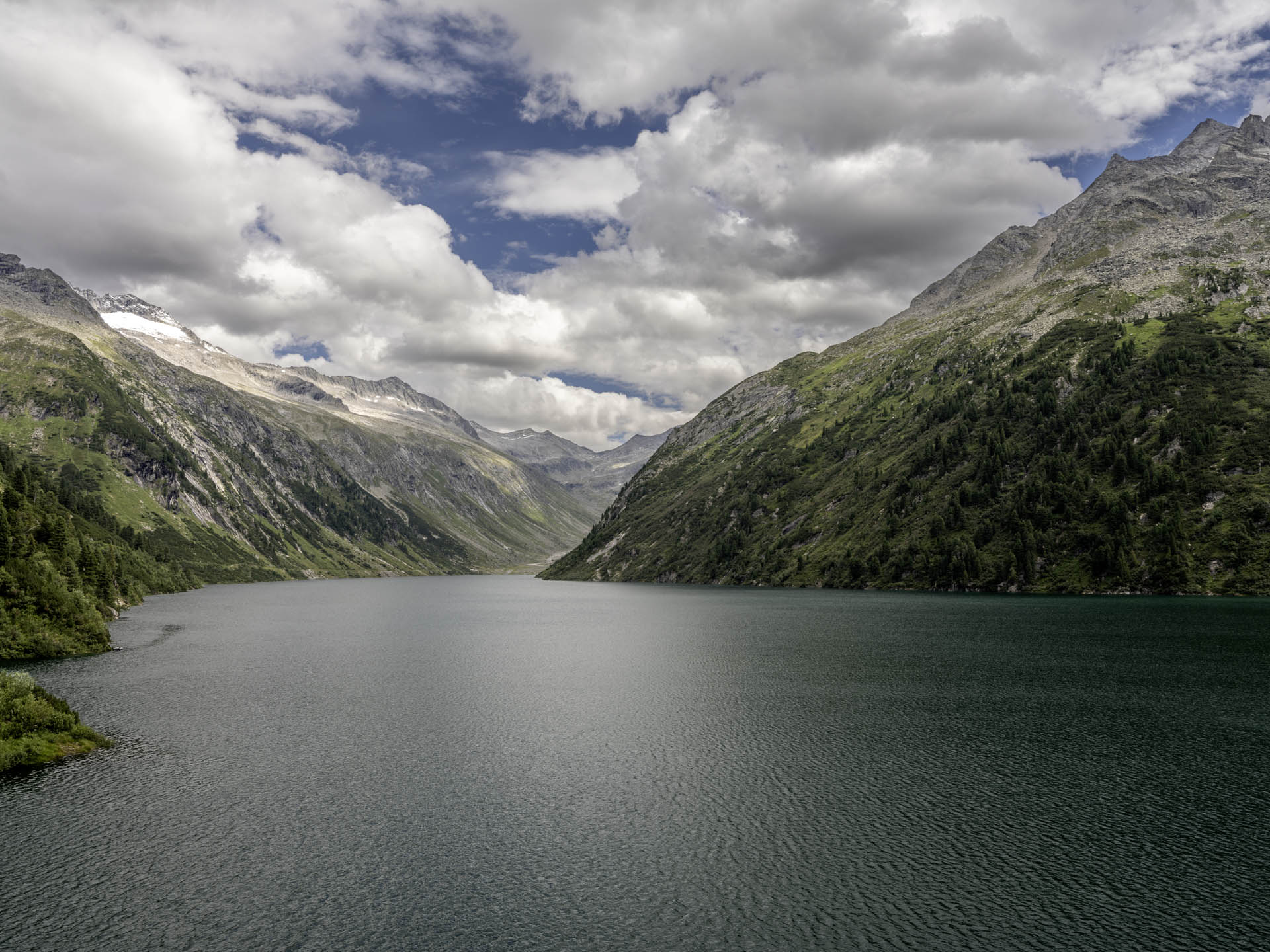
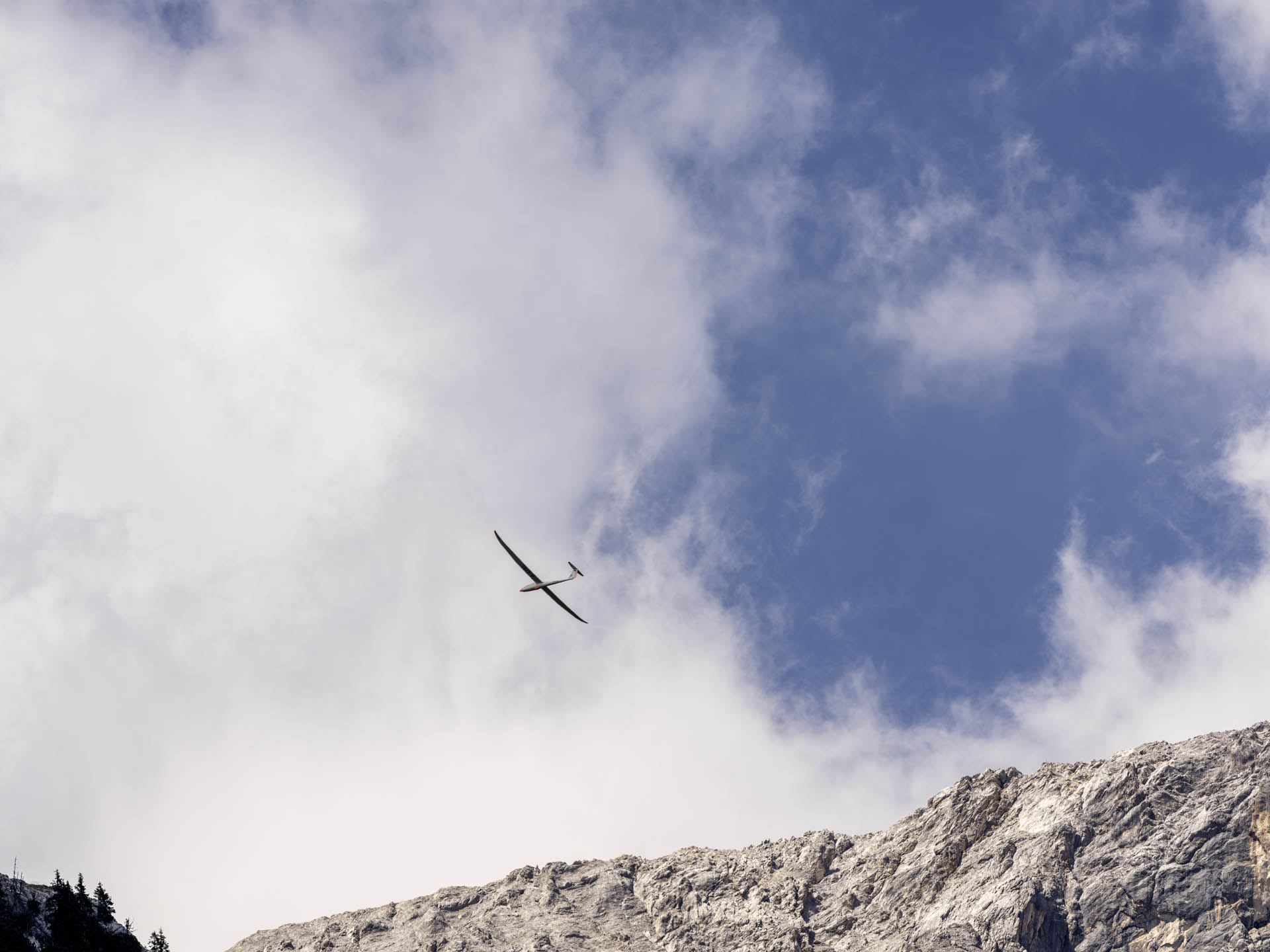
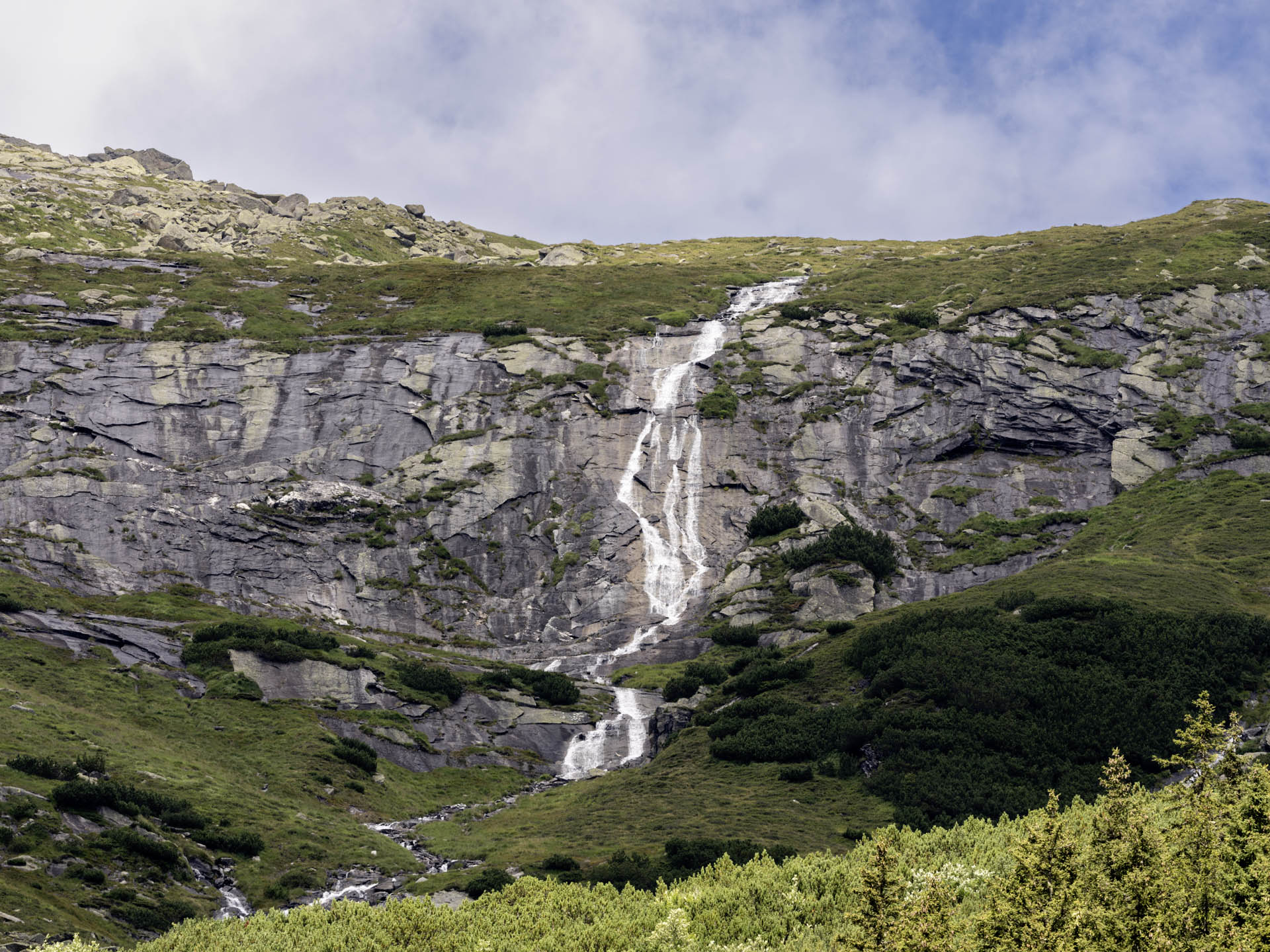
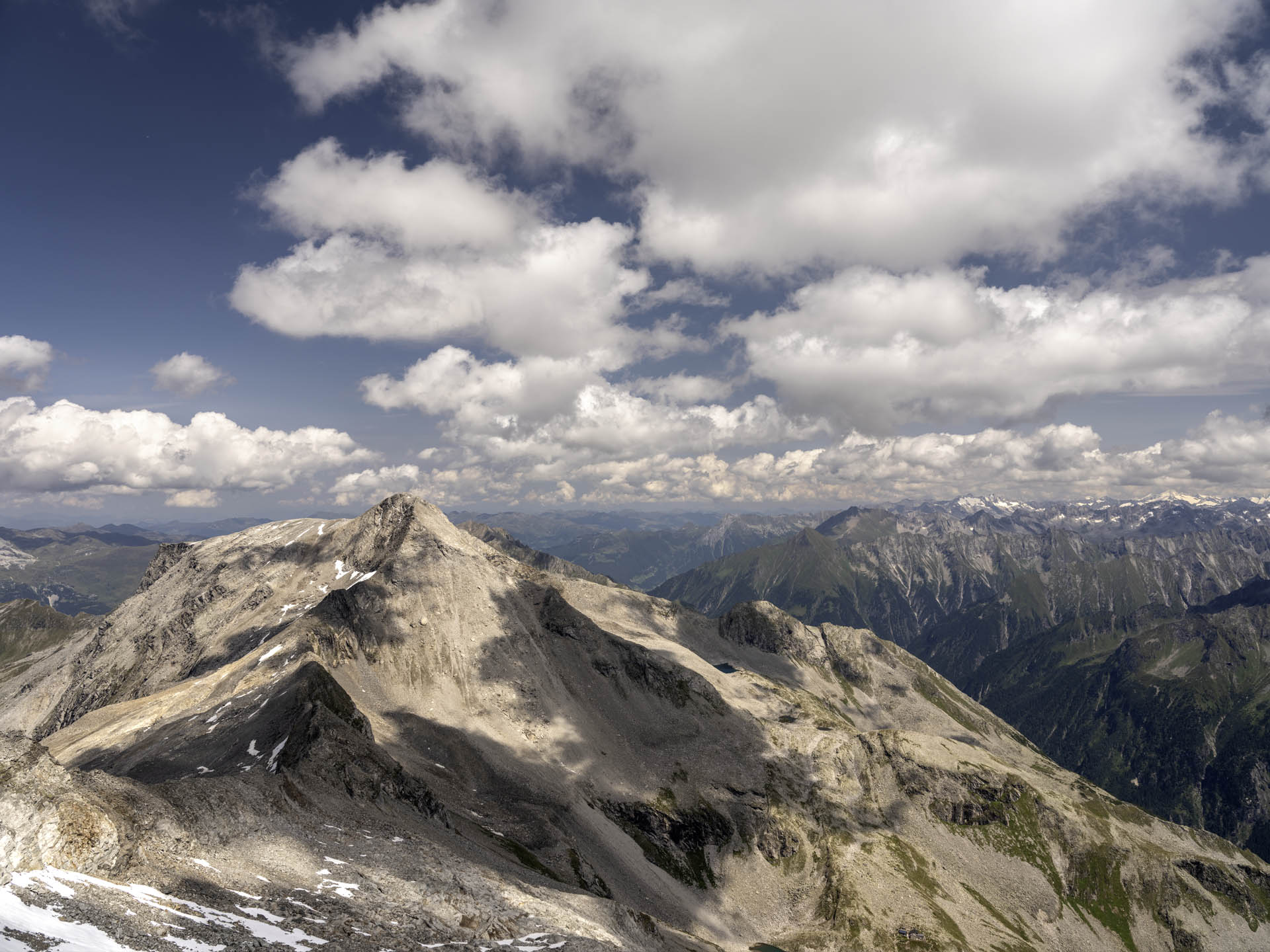
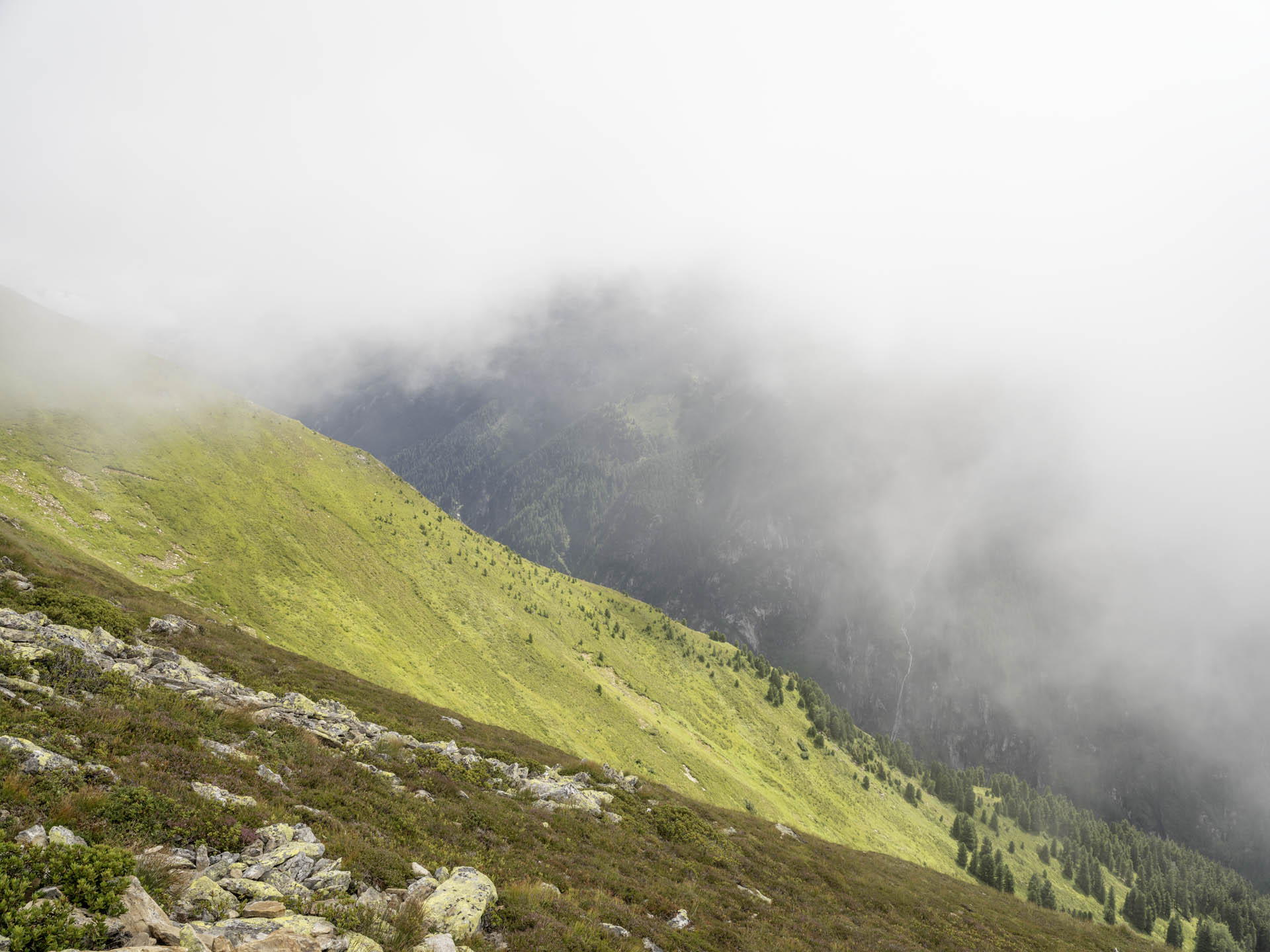
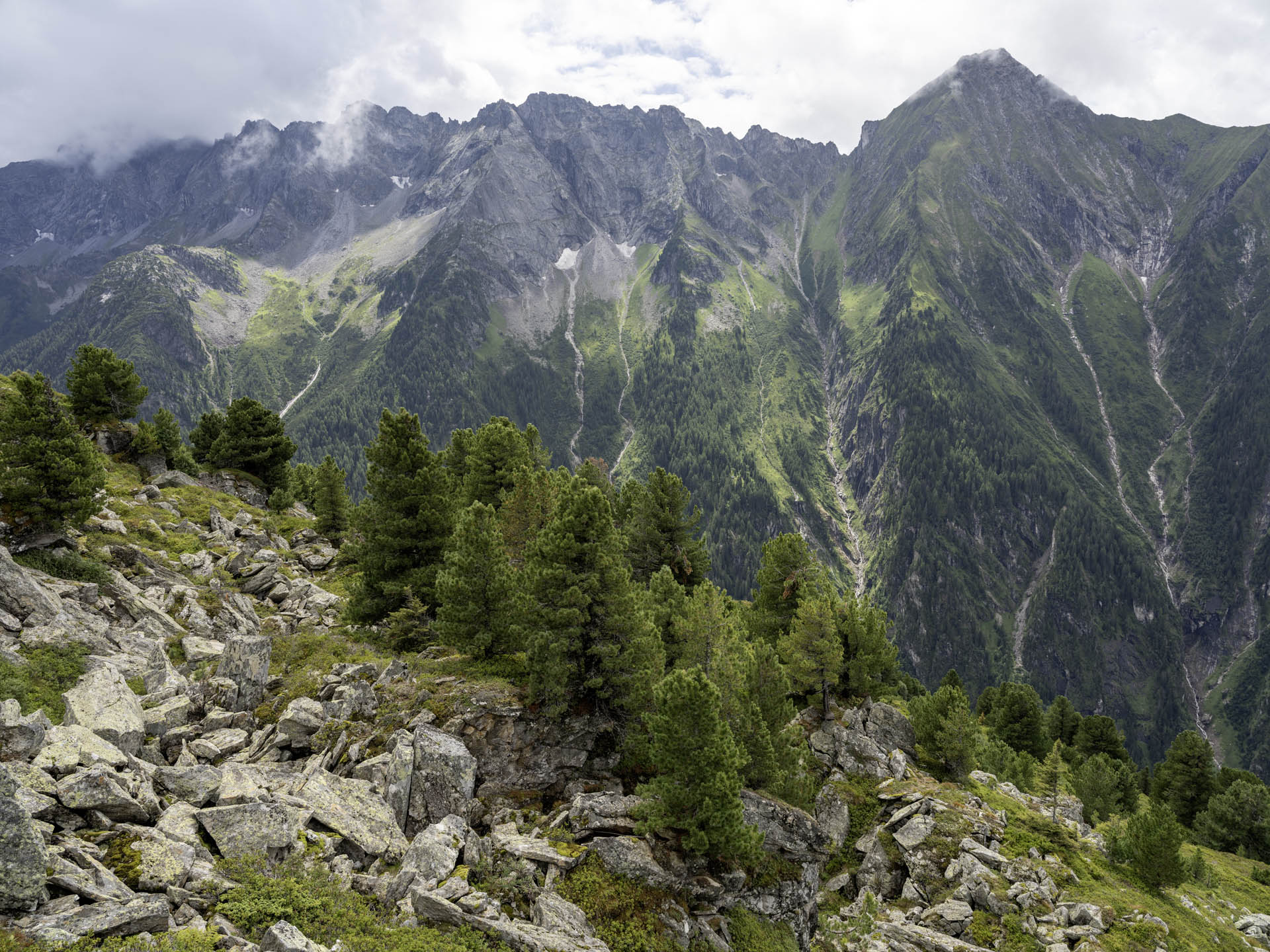
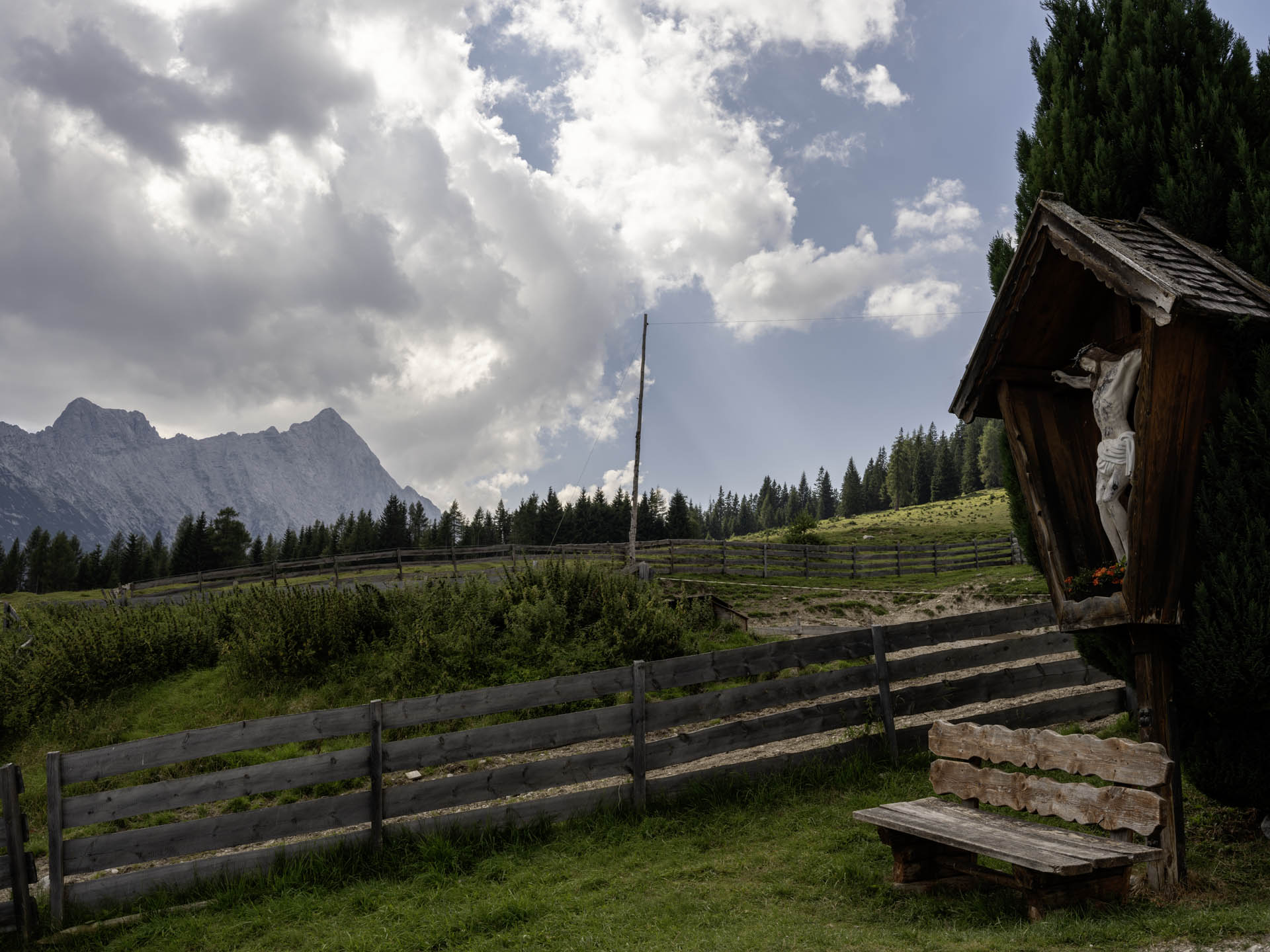
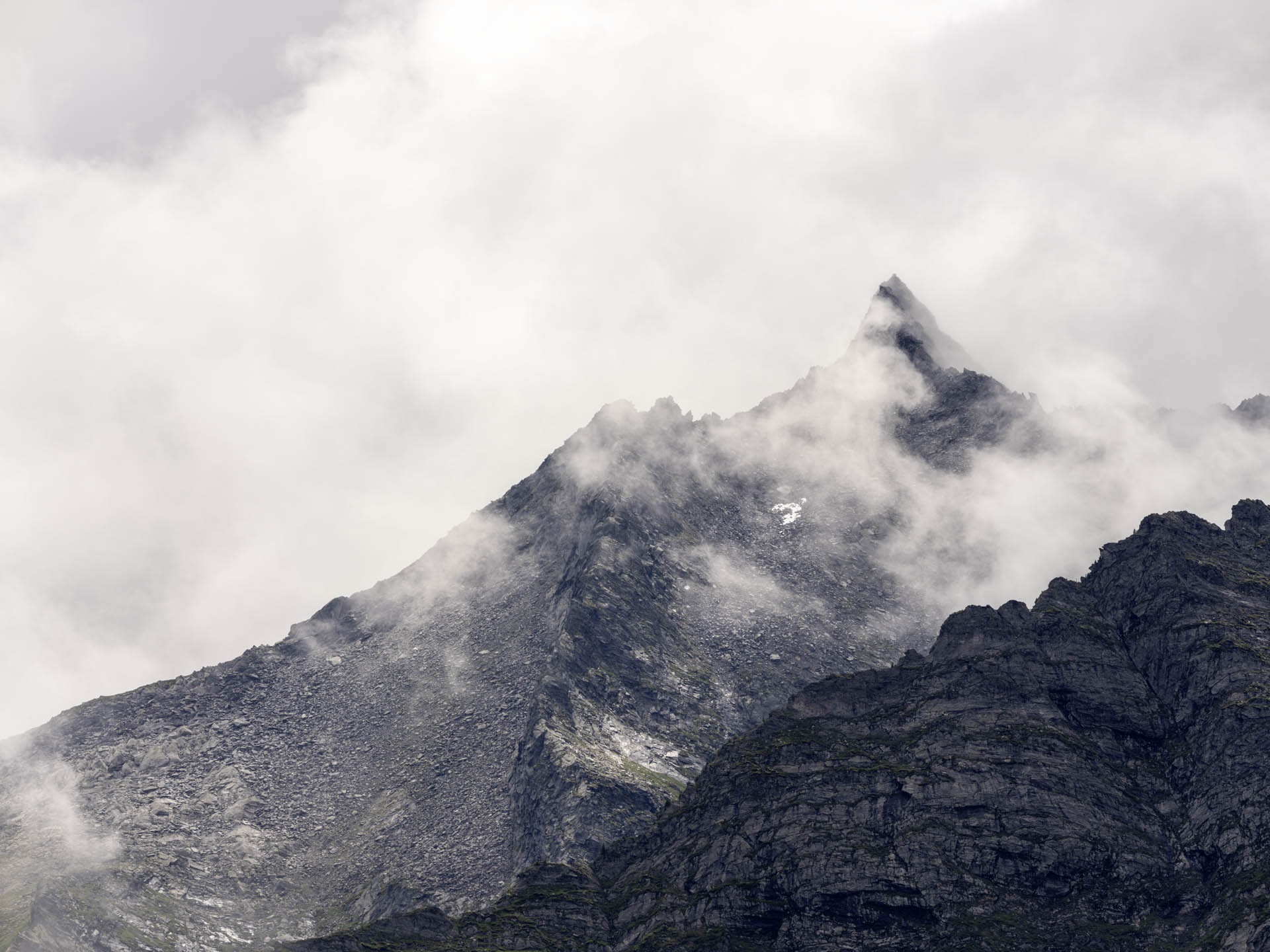
This is the philosophical knot at the center of my photographic inquiry. William Wordsworth echoed it two centuries ago: our meddling human intellect misshapes the beauteous forms of things. We murder to dissect. The act of seeking, of reaching toward the infinite, is itself an act of alteration. The hiking trail erodes the mountain. The photograph is an act of possession. My presence here is not neutral, and neither is my need to be here — a need I share with every person who has ever felt the pull of altitude, of exposure, of scale that dwarfs human measure. The quest for mystical affinity is inseparable from the damage it requires.
And yet this desire itself is not the problem. This longing to connect with something beyond the self, to dispatch reason in search of deeper affinities, is perhaps among the most essential facts of human consciousness. What has changed today, though, is not the longing but the consequence. The new sublime is not only the terror of the vastness and smallness of self but also the terror of recognizing our complicity in environmental damage.The glaciers recede. Plastic sheeting glows white against the rock. These are not symbols. They are the landscape now. With this edition of photographs, I do not seek a resolution of the tension between reverence and impact. Instead, I intend to present an honest account of it. These photographs press, without answering, the question that may be the defining one of this moment: is awareness of complicity a form of redemption, or is it a more sophisticated form of the original transgression?
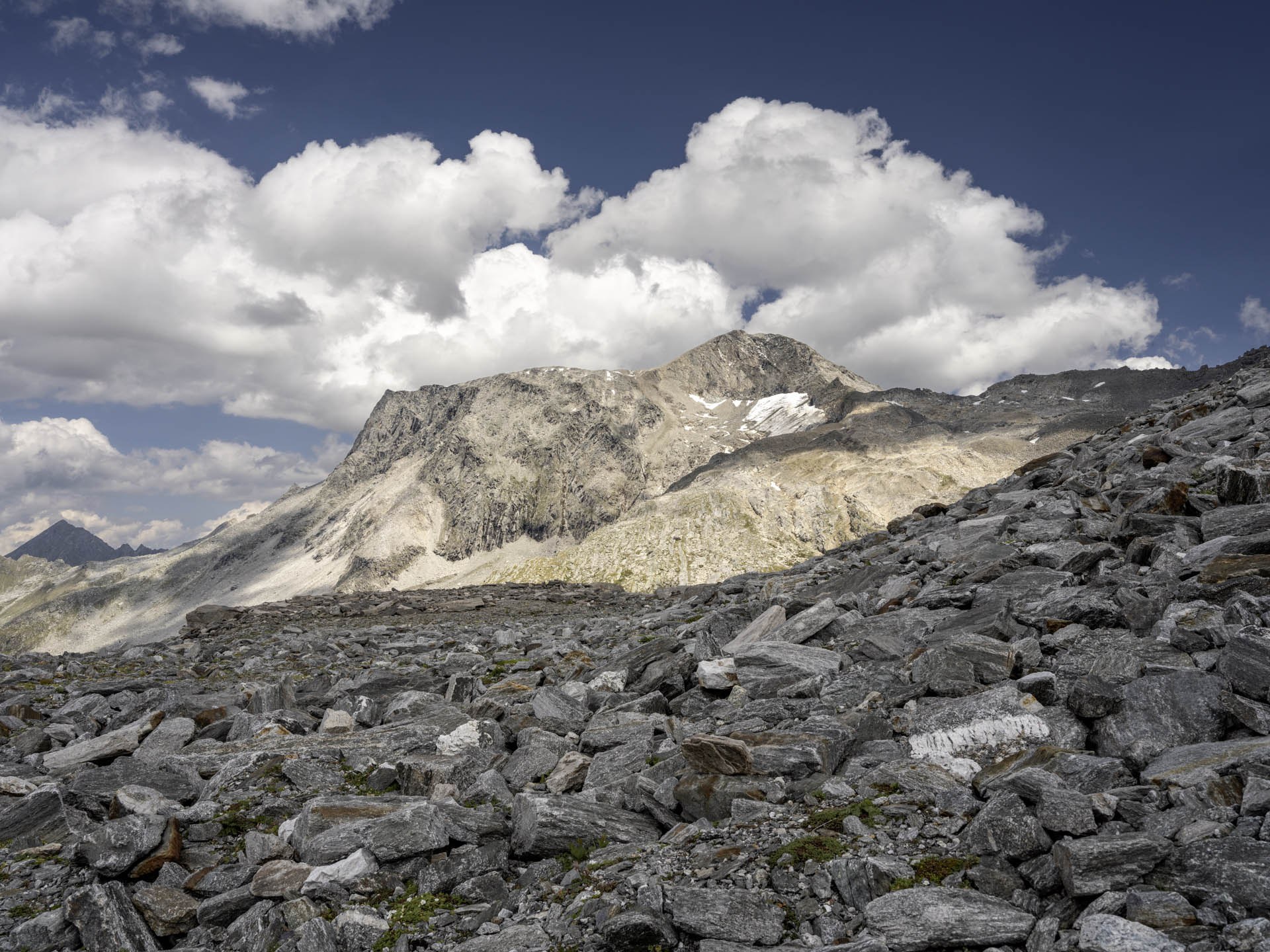
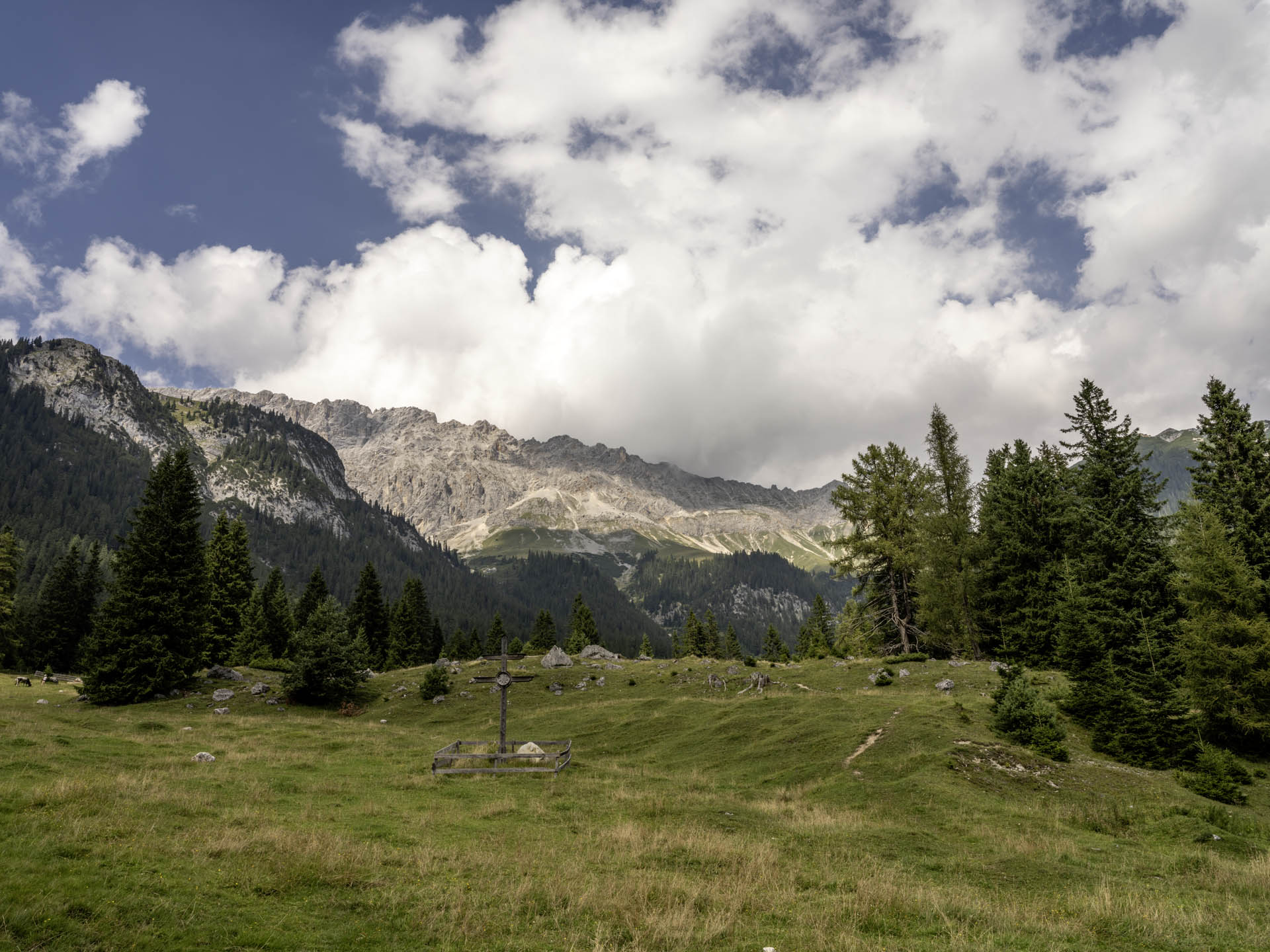
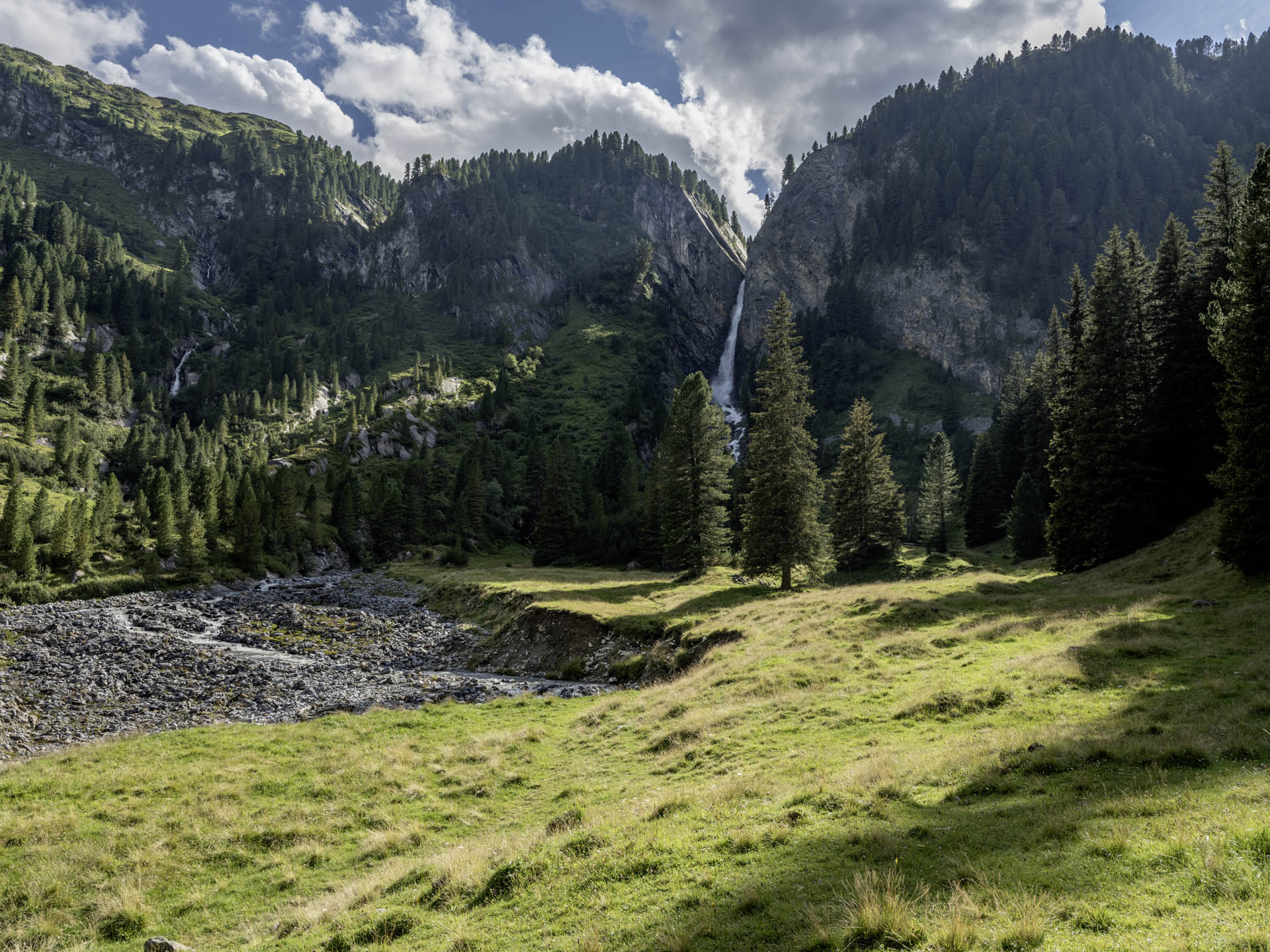
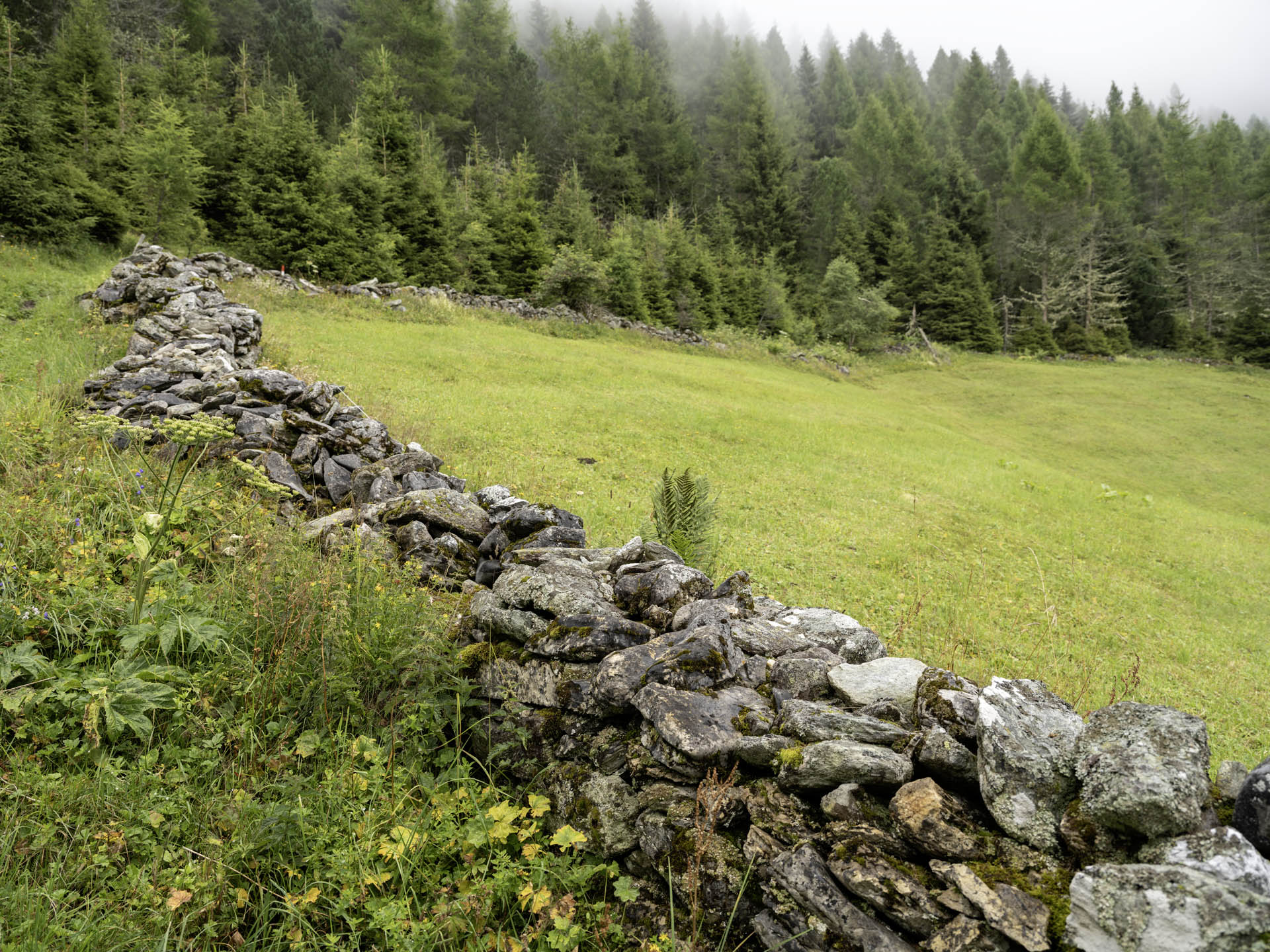
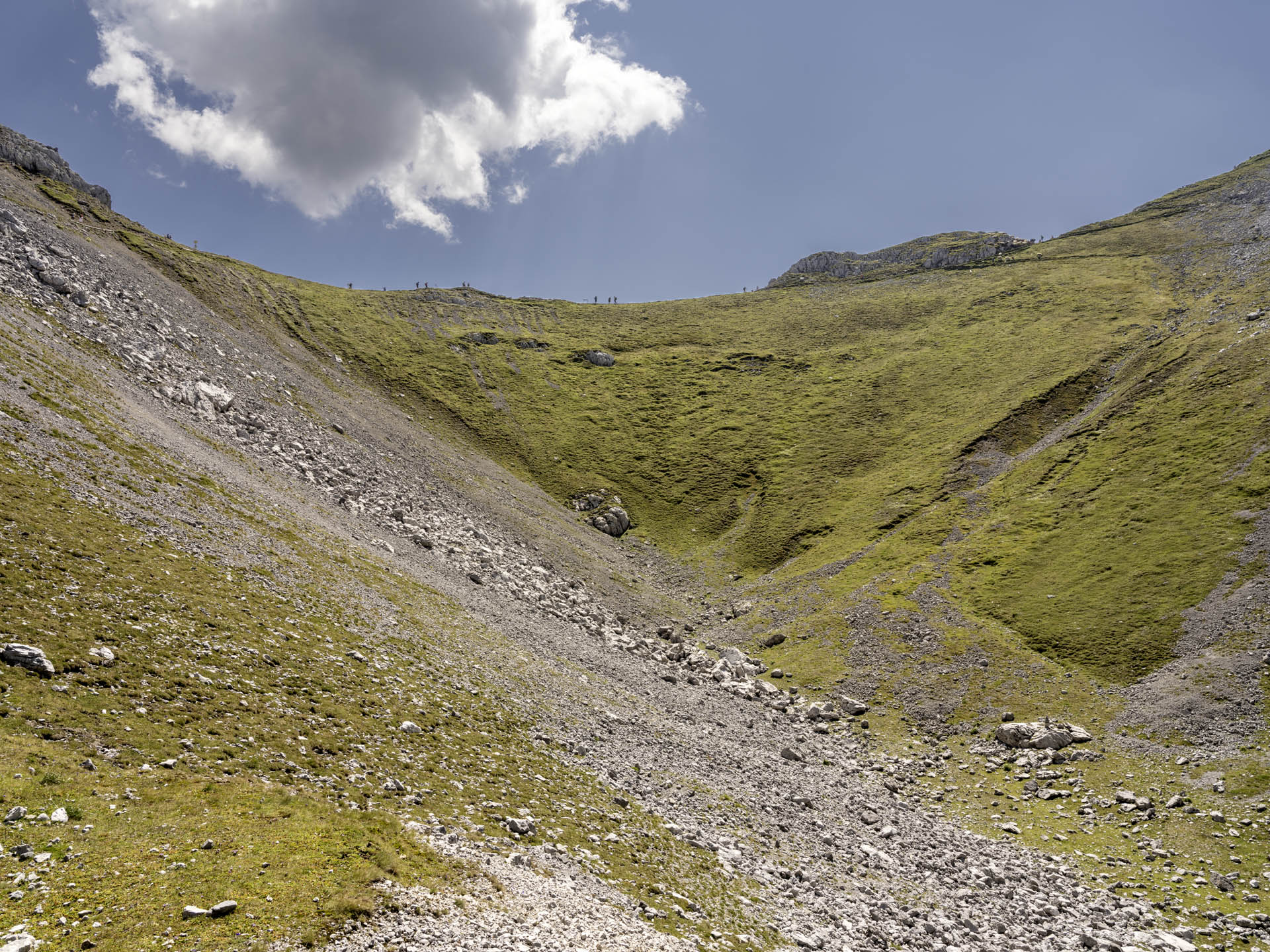
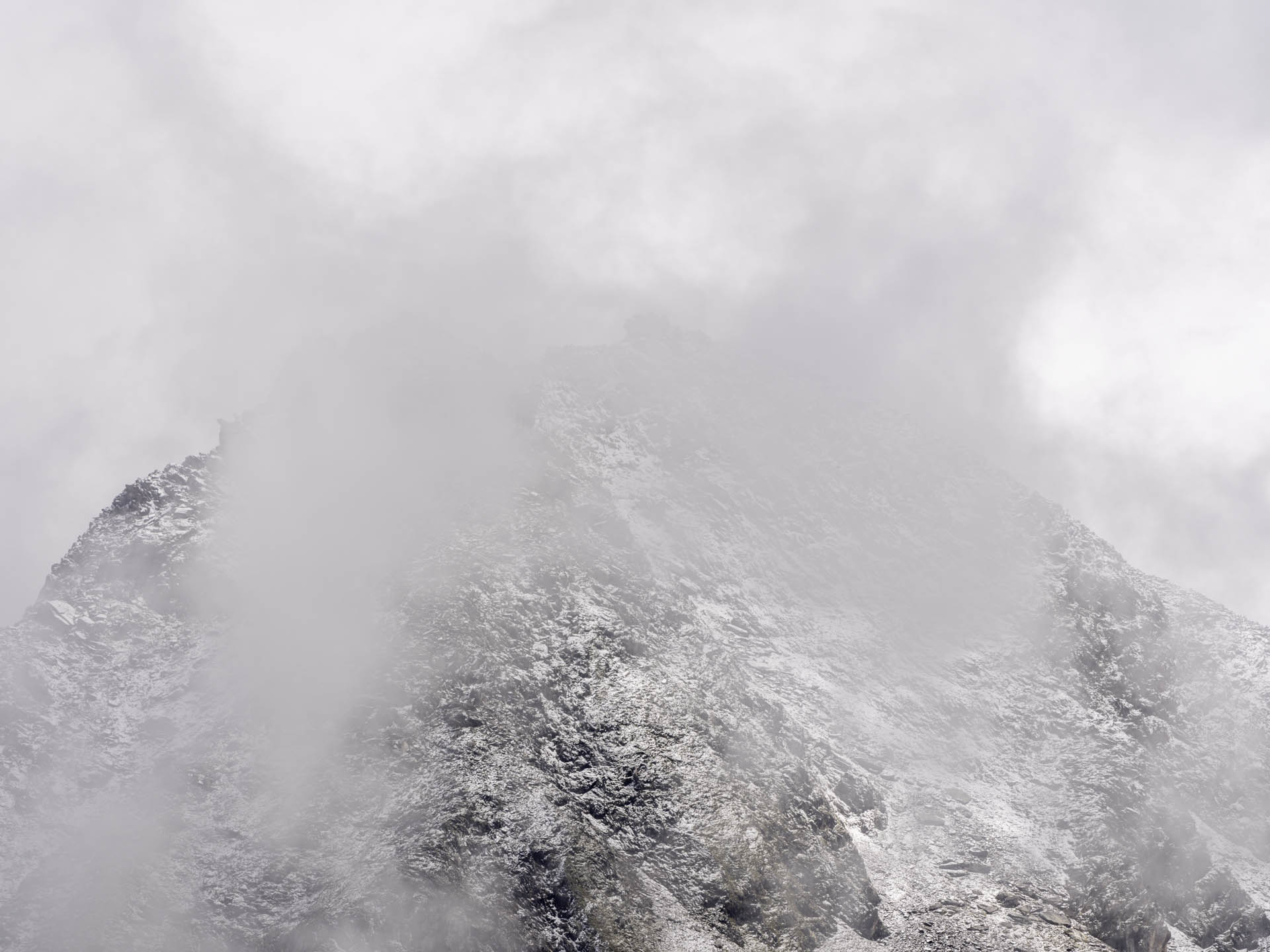
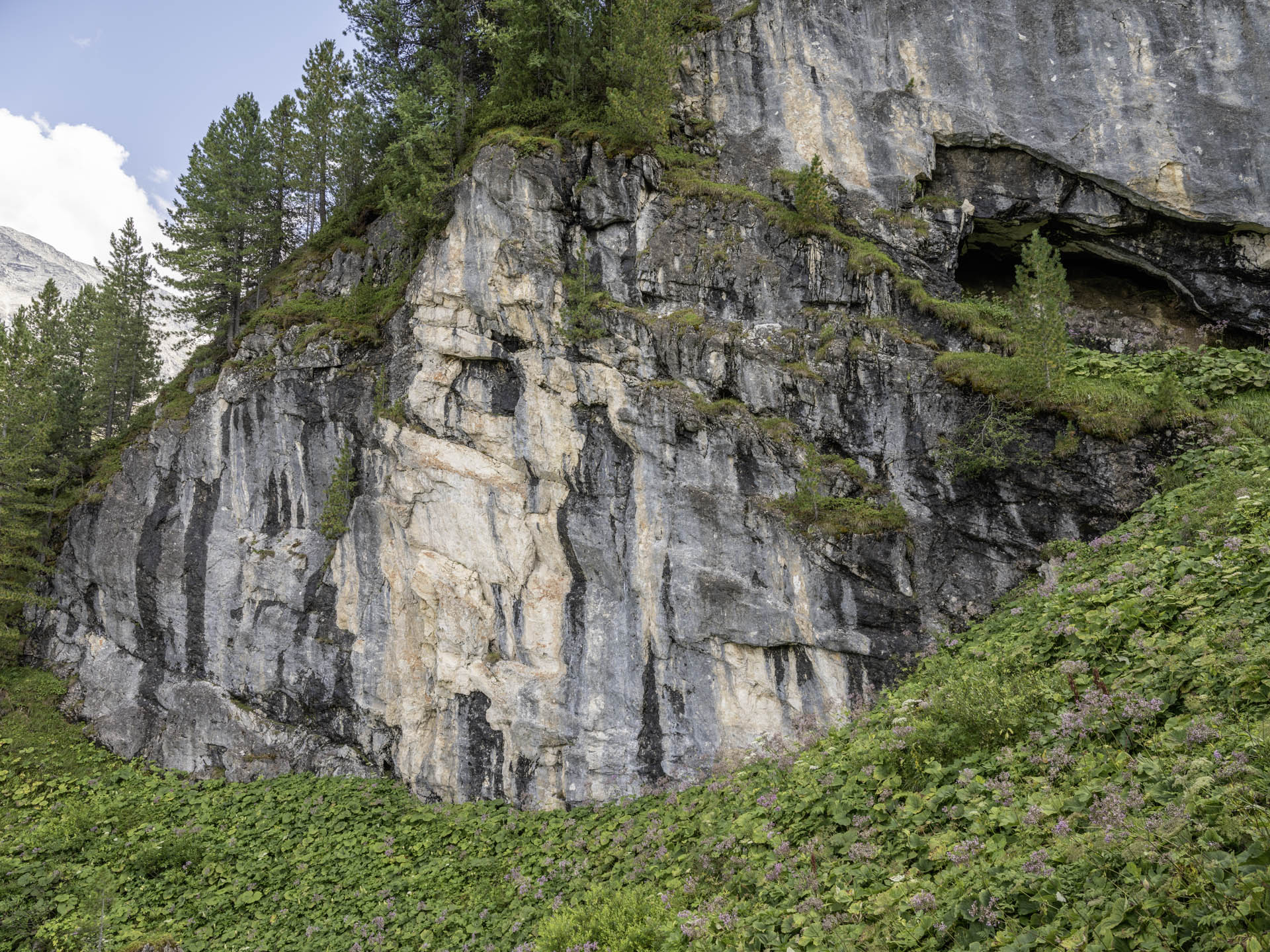
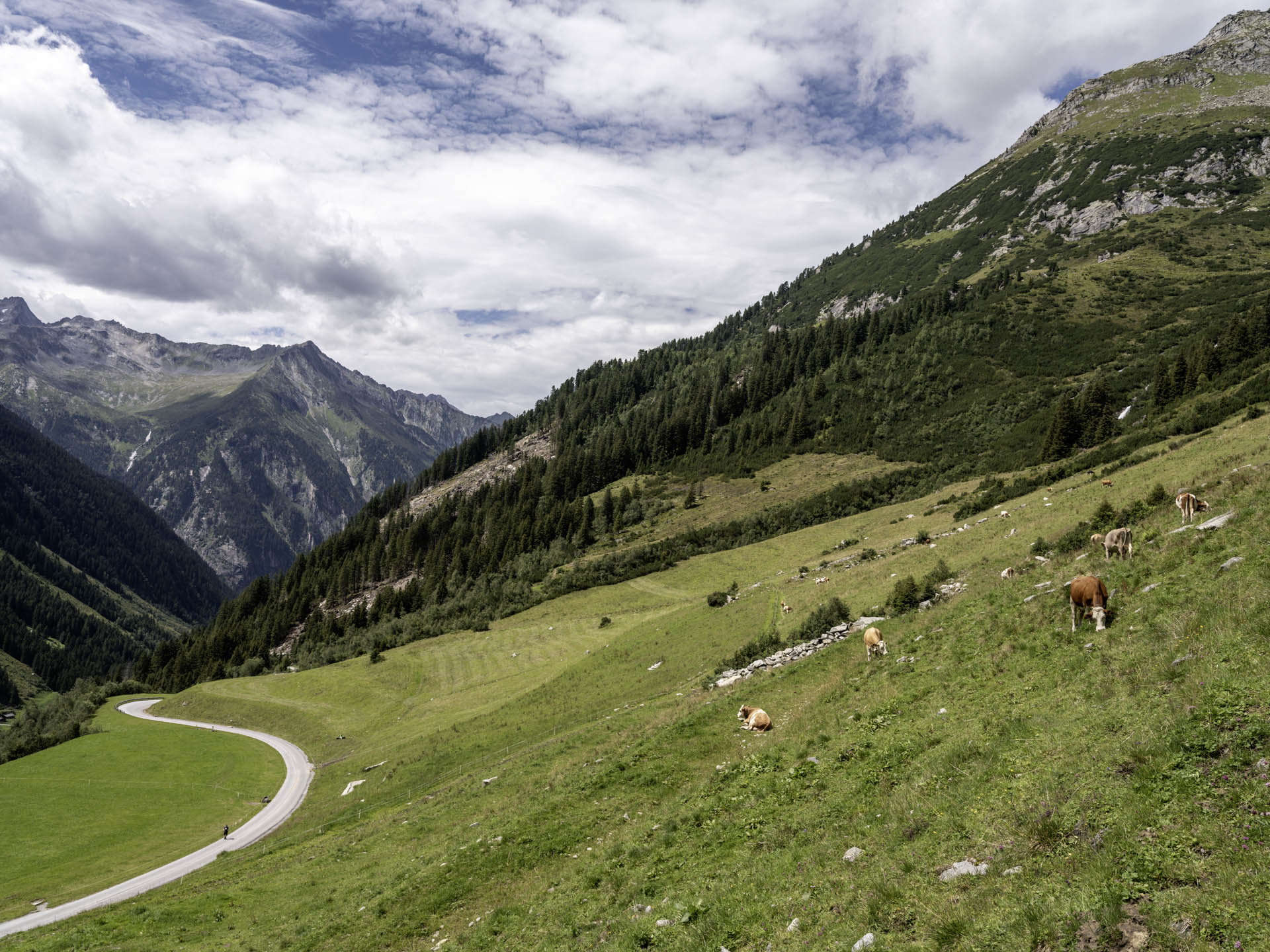
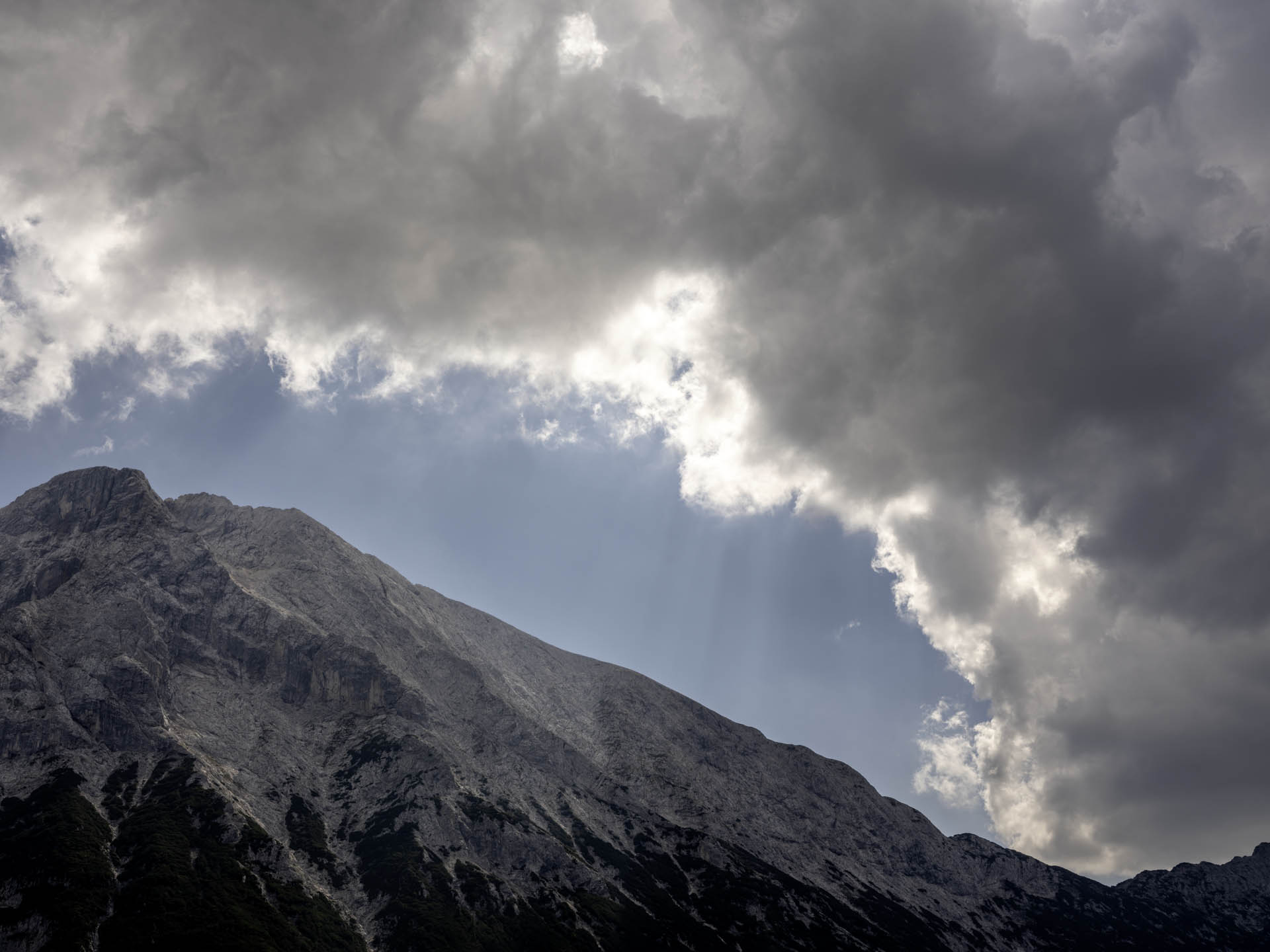
Tyrol, Austria is a collection of limited edition landscape photographs now available to purchase. For more information on the collection, including edition size, framing, and pricing please click here. If you are interested in purchasing these works, please be in touch.